
Last updated November 4, 2026
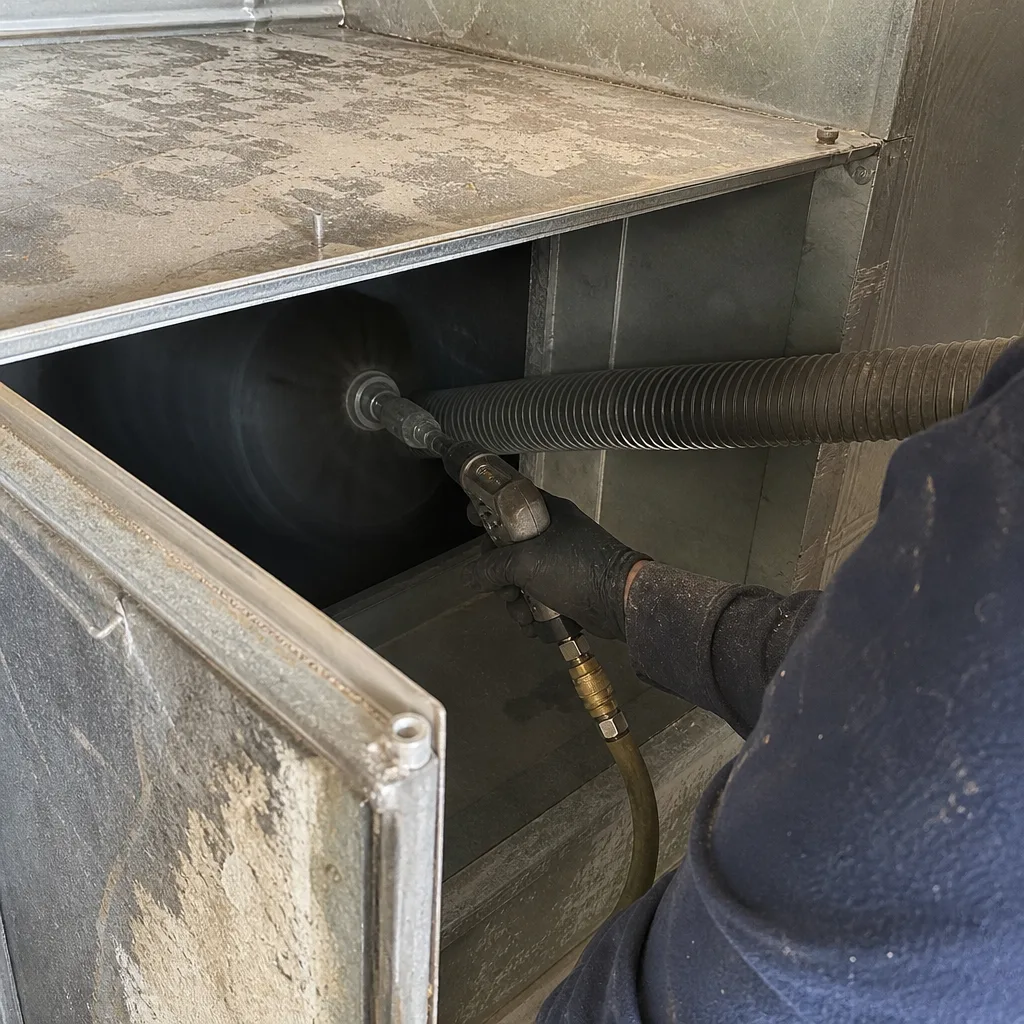
 Whole-home duct cleaning
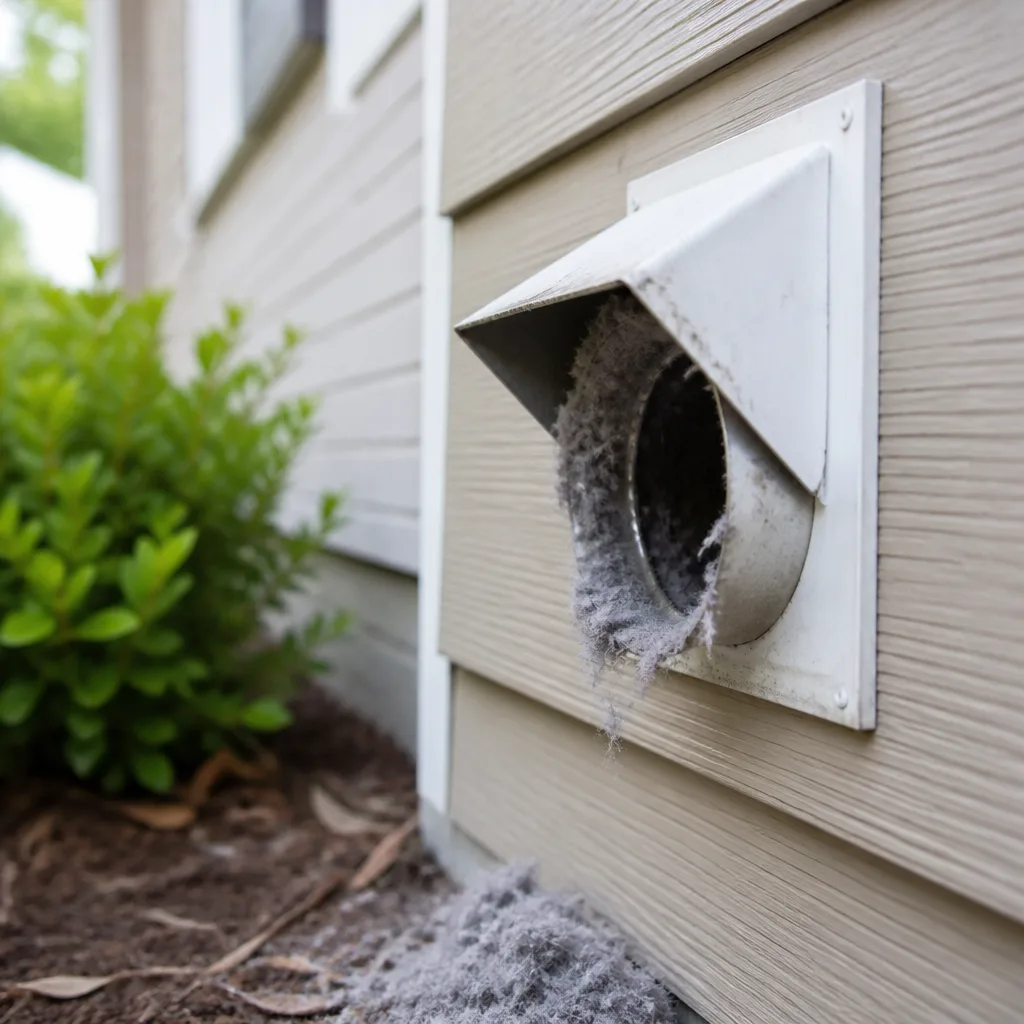 Dryer vent cleaning
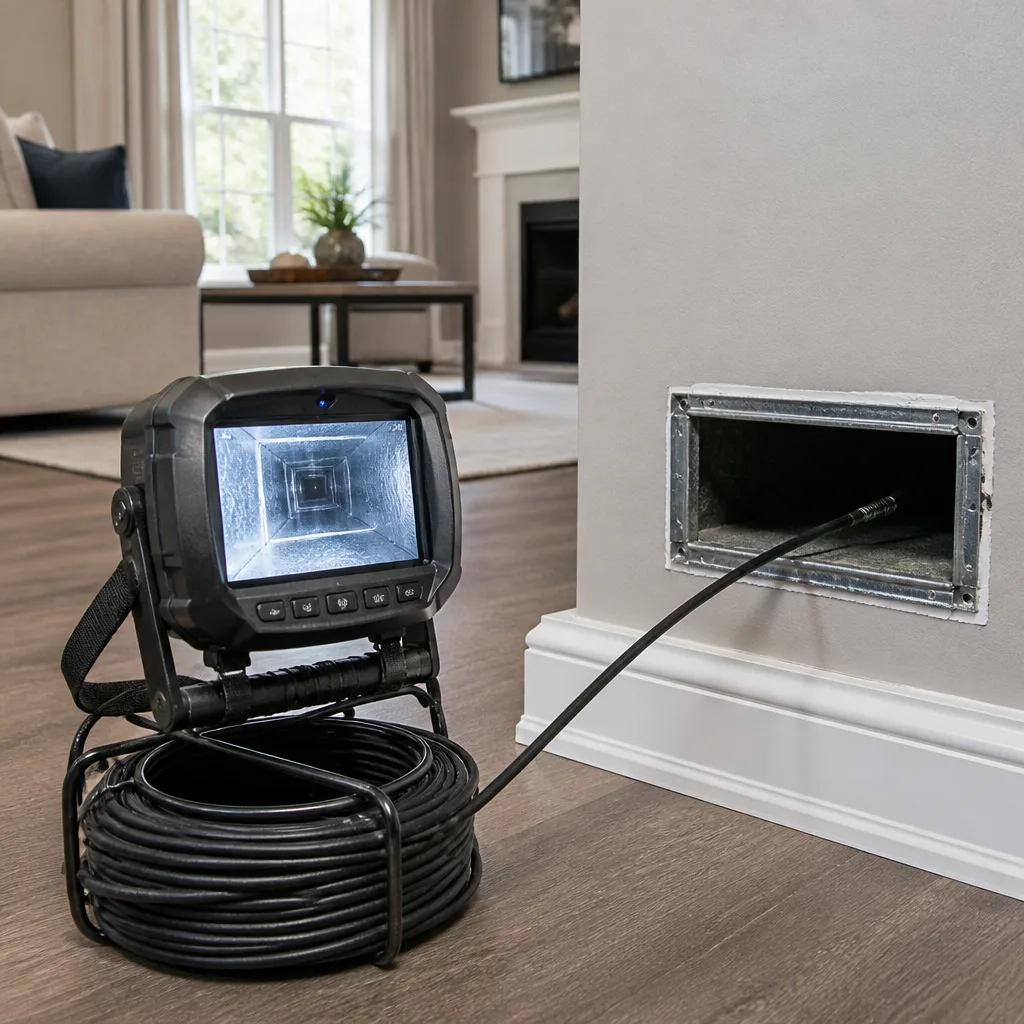 Camera inspection
 Sanitizing & deodorizing
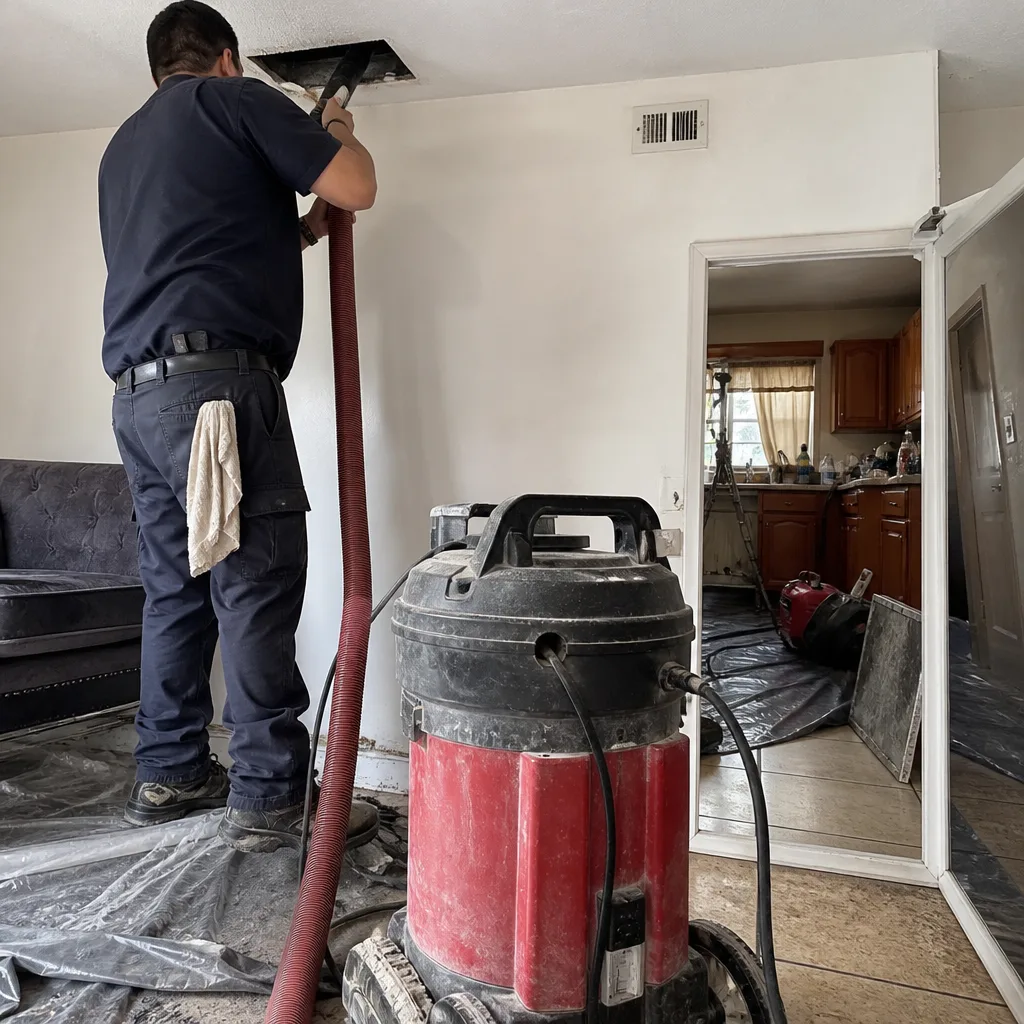
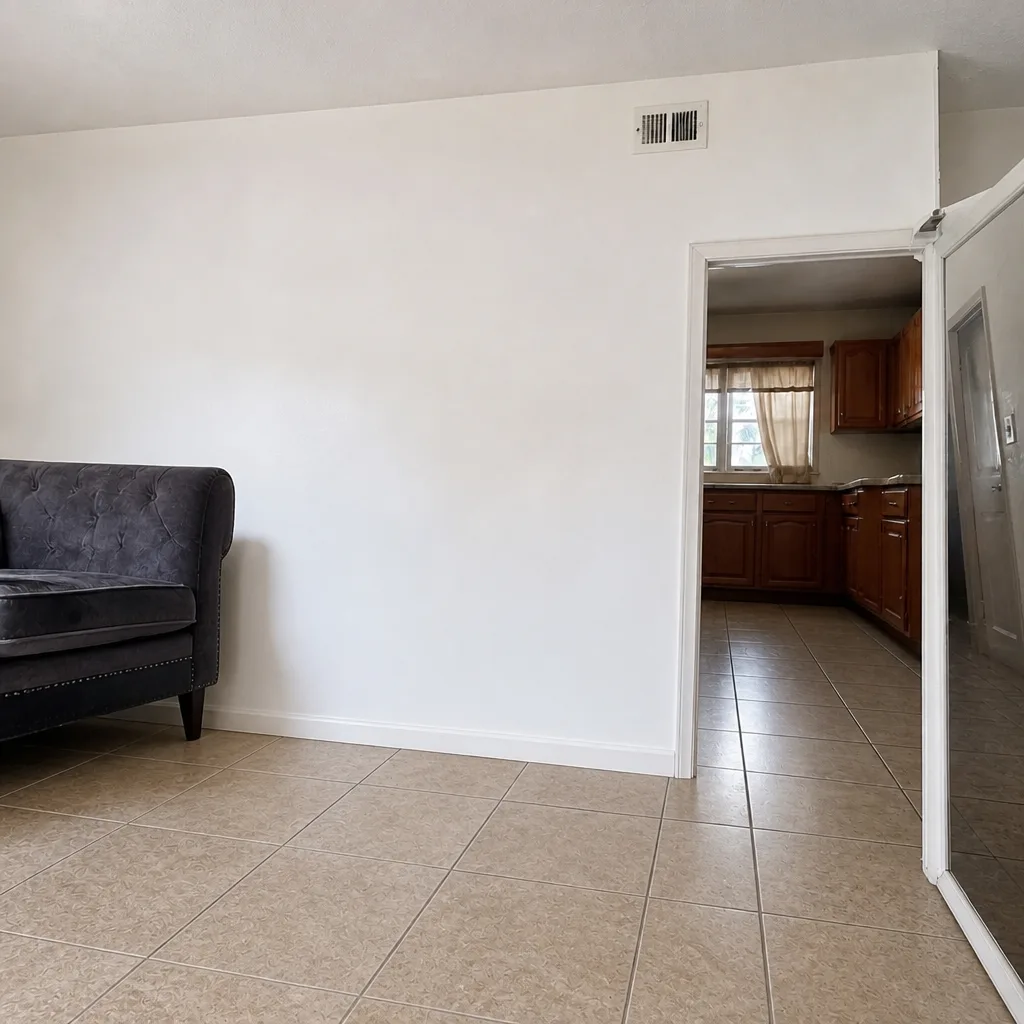
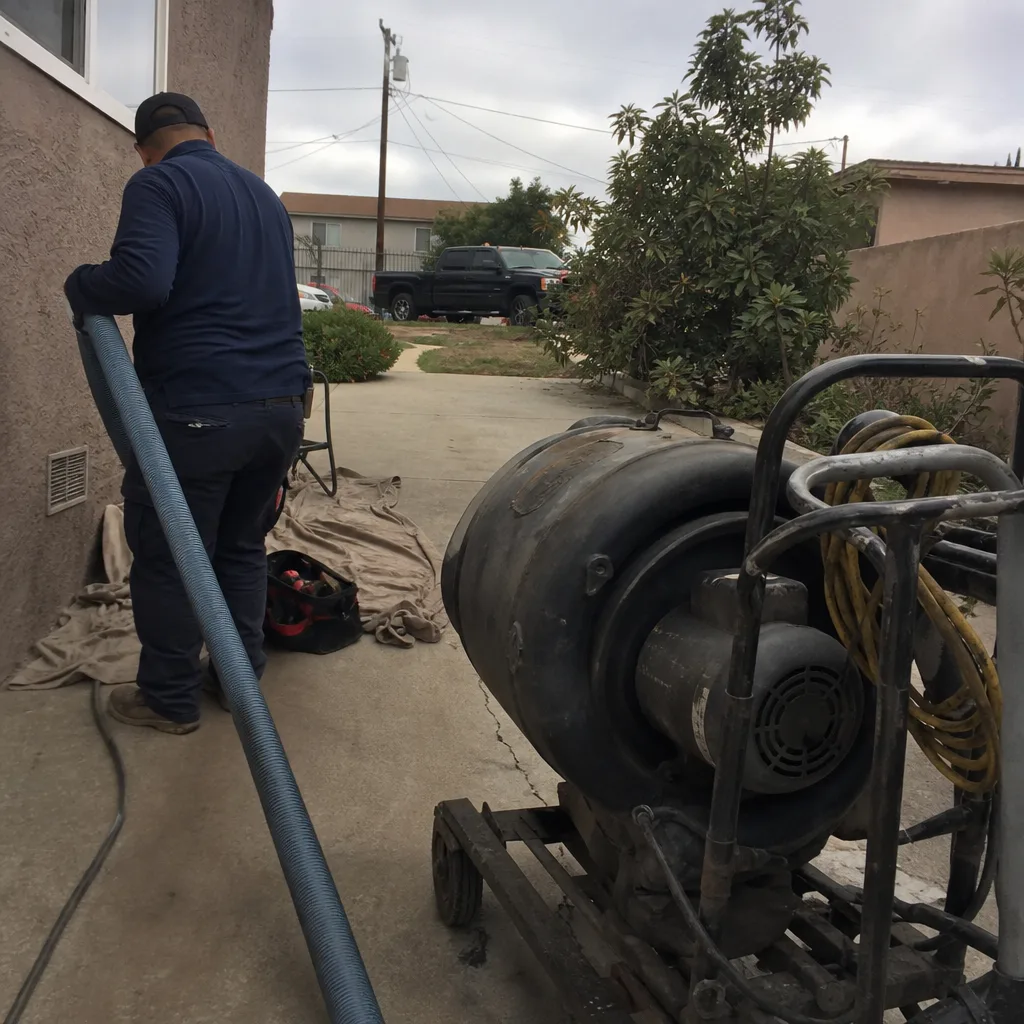
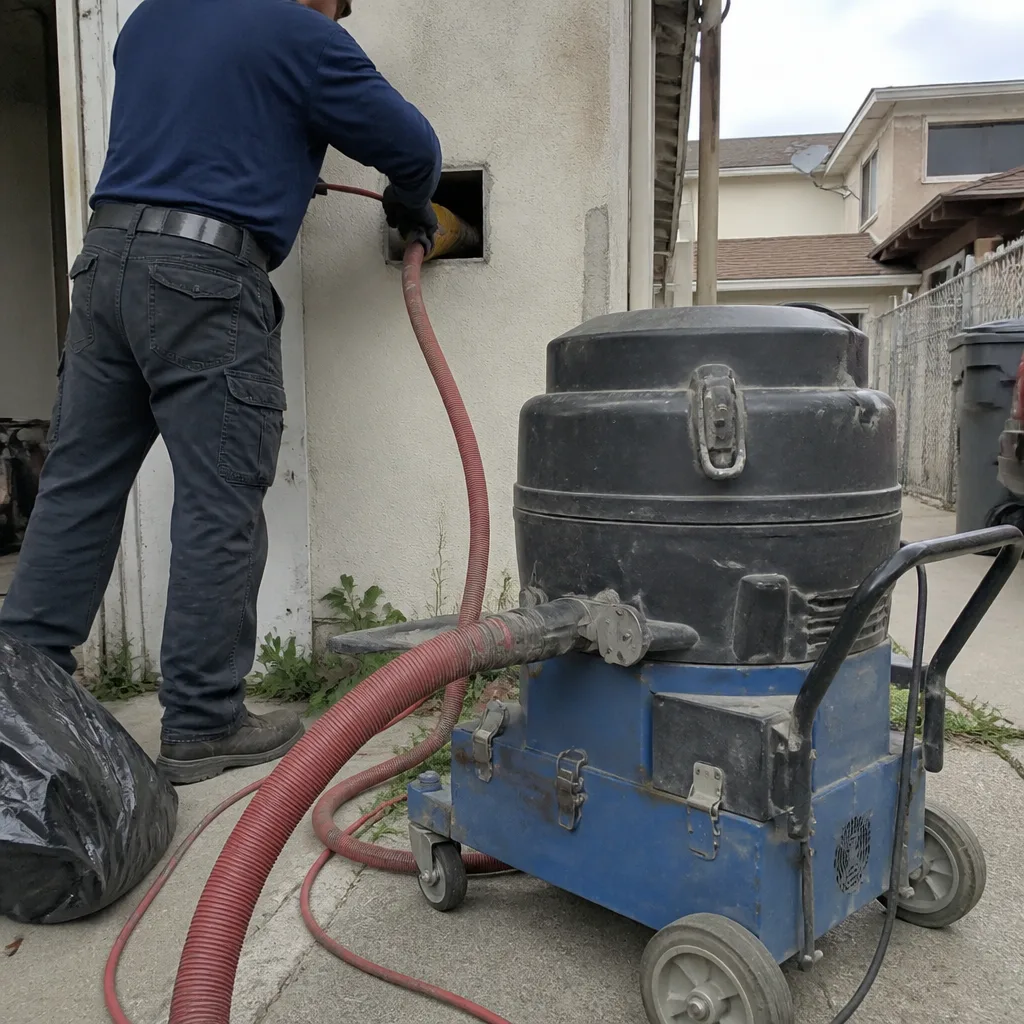
Whole-system duct and dryer vent check with before-and-after photos - you see exactly what came out of your vents
That "$99 whole-house special" is a bait ad - the real number appears once they are in your hallway, or the "clean" is a shop-vac at the register. We photograph the inside of your ducts before and after instead.
Air Duct Cleaning Maintenance Schedule: What to Do and When
Most maintenance schedules you’ll find online hand every homeowner the same interval: clean your ducts every three to five years. That number gets repeated so often it sounds like building code. It isn’t. In South Gate, where cooling systems run ten to eleven months a year and the 710 corridor sits close enough to matter, a household with two dogs and a gas range will load its ductwork with debris at roughly twice the rate of a childless couple in the same square footage. Both get handed the same pamphlet. This guide replaces the pamphlet with a scoring method you can apply to your own home, then tells you what to do between professional cleanings and what actually happens when you skip them.
Styles & brands we work with
- Whole-home duct cleaning
- Dryer vent cleaning
- Camera inspection
- Sanitizing & deodorizing
Quick Answer
Air duct cleaning in South Gate should be scheduled every 2 to 4 years for most single-family homes, with the exact interval set by three compounding variables: occupancy density, pet count, and the home’s distance from the 710 freeway corridor. Homes with multiple pets, smokers, or recent renovation work often need service every 18 to 24 months. Between pro cleanings, run a MERV 11-13 filter, wipe register faces monthly, and inspect the evaporator coil each spring before the long cooling season starts.
Table of Contents
- Why a Single Interval Fails Most South Gate Homes
- Scoring Your Home: The Three Multipliers
- Why South Gate HVAC Systems Accumulate Faster Than National Averages
- Post-Event Triggers That Override Any Calendar
- Between Professional Cleanings: What to Do Monthly, Quarterly, and Annually
- How to Log a Maintenance Record That Speeds Up the Next Service
- Common Mistakes to Avoid
- When to Call a Professional
- Frequently Asked Questions
- The Bottom Line
Why a Single Interval Fails Most South Gate Homes
The three-to-five-year recommendation assumes a national average that doesn’t reflect how air systems actually run here. It assumes a heating season and a cooling season of roughly equal length. It assumes ducts carry air maybe six months out of the year at full load. South Gate doesn’t work that way. Air conditioners here start cycling in March and keep going into November, sometimes December. That’s not a quirk; that’s the single biggest variable in duct soil loading, because every hour of runtime pushes air through the ductwork and deposits whatever the filter didn’t catch.
Then you add the local particulate picture. Homes within a mile or so of the 710 corridor live with a steady background of brake dust, tire wear, and diesel exhaust particulates that make their way past window screens and door seals. The filter catches some. The ducts catch the rest. A household east of Long Beach Boulevard but west of the freeway is breathing a different air profile than one up near South Gate Park, even if both homes are the same age and size. A single cleaning interval pretends those two homes are identical. They’re not.
Here’s the more useful way to think about it. Duct cleaning is not a calendar event. It’s a soil accumulation problem. The right question isn’t “how many years since the last cleaning” but “how much material has deposited on the duct walls and the coil since the last cleaning.” Once you know what drives that deposition, you can set an interval that actually fits your house instead of borrowing one from a generic maintenance chart.
Scoring Your Home: The Three Multipliers
We use three variables when we help a South Gate homeowner figure out a realistic interval. Each one multiplies the rate at which duct surfaces accumulate debris. Score your own home honestly and you’ll land on a number that prevents surprise airflow loss and premature filter loading.
- Occupancy density. More people means more skin cells, more clothing fibers, more cooking particulates, and more foot traffic grinding carpet and hard-floor dust into the air. A four-person household with kids who play outside and come back in repeatedly will load ducts faster than a two-adult household in the same home. Score one point for every additional occupant above two.
- Pet dander load. Dogs and cats shed continuously, and even short-haired breeds produce dander fine enough to pass through a standard one-inch filter. Two large dogs in a 1,400-square-foot home is a heavy dander load. Score one point per dog or cat, and add a point if the animal sleeps indoors.
- Ambient outdoor PM2.5. This is the particulate matter under 2.5 microns: the size that stays airborne for hours and infiltrates homes through windows, doors, and even the minute gaps in building envelopes. Proximity to the 710 corridor is the big multiplier here, but so is any home near a busy arterial like Atlantic Avenue or Firestone Boulevard. Score two points if you live within a mile of the freeway, one point if you’re near a major truck route.
Reading Your Score
A total score of 0 to 2 suggests a three-to-four-year interval works. A score of 3 to 5 pushes you toward two to three years. A score above 5, or any score combined with indoor smoking, candle burning, or a gas range without an exterior-venting range hood, means 18 to 24 months is more honest. This isn’t a formula we invented to sell cleanings sooner. It’s a response to what we observe when we open supply plenums and look at what has accumulated since the last service.
Why South Gate HVAC Systems Accumulate Faster Than National Averages
Most maintenance guidance assumes something like 1,200 to 1,800 cooling run-hours per year. That figure comes from climates with four distinct seasons and a modest summer. South Gate systems routinely exceed 2,000 cooling run-hours, often closer to 2,400 when the shoulder seasons stay warm. That’s a 40 percent or greater increase in annual runtime over the national baseline used in schedule recommendations. More hours of airflow means more particulate deposition per calendar year. It’s not that the air here is universally dirtier; it’s that it moves through your ducts for more hours every single year.
This has a cascade effect. A system that runs more hours needs filter changes more often, and a filter that isn’t changed on time lets more fine material reach the coil and duct walls. We’ve opened ductwork in South Gate homes where the return side of the coil was matted with a fine gray paste: the combined result of freeway particulates, pet dander, and a filter that had gone two months past its useful life. The homeowner couldn’t see it. They could feel it, though: longer cooling cycles, warmer air at the registers, and more dust settling on furniture within days of cleaning.
The practical takeaway is that South Gate households should compare system runtime, not calendar months, to decide when ducts need attention. If your AC has been running since March and it’s now October, that’s the equivalent of a full year of runtime in many other parts of the country. The three-to-five-year guideline quietly assumes you live somewhere colder than you do.
Post-Event Triggers That Override Any Calendar
Sometimes the question isn’t “is it time yet.” It’s “something happened, and now the ducts need attention regardless of when they were last cleaned.” Three events override any schedule and should push you to schedule an air duct cleaning as soon as the triggering condition is resolved.
- Renovation dust. Drywall sanding, flooring removal, cabinet installation, and any cutting that produces fine silica or gypsum dust. This material is abrasive and extraordinarily fine, and it doesn’t all get swept up at the end of the job. A post-renovation duct cleaning is standard practice in commercial restoration and should be standard in South Gate homes too, especially when work was done without sealing off return openings.
- Rodent intrusion. Rats and mice use ductwork as a highway, especially in older South Gate homes with crawlspaces or exterior wall penetrations. The evidence is visible: droppings at register boots, scratching sounds, or a persistent odor from certain registers. Once the entry point is sealed and the pest issue is resolved, the duct interiors need professional cleaning to remove contaminated material. This is not a filter problem.
- Water intrusion near the supply plenum. A condensate overflow, a roof leak above an attic-mounted air handler, or a window unit flooding a wall cavity can put moisture into ductwork. Once moisture reaches duct interiors, you’re on a clock for mold growth. The correct sequence is to fix the water source, dry the affected area, then clean and inspect the ducts before returning the system to service. Skipping the cleaning step leaves behind damp organic material: exactly what you don’t want feeding anything.
Between Professional Cleanings: What to Do Monthly, Quarterly, and Annually
Professional air duct cleaning resets the clock. What you do between cleanings determines how long that clock runs. Here’s what we tell our South Gate customers to do on a regular cadence, starting with the highest-impact item.
Monthly
- Change or inspect the filter. A one-inch fiberglass filter is a dust conveyor, not a dust catcher. Run a MERV 11 to 13 pleated filter and check it monthly during the heavy cooling season. In South Gate, that means March through November. A filter that looks dirty at the one-month mark needs replacing more often, not a longer interval.
- Wipe register and return faces. A damp microfiber cloth, not a dry one. Dry wiping just launches dust back into the room. This takes ten minutes for a typical home and prevents the buildup that eventually gets pulled into the register boot.
- Vacuum around return grilles. The louvers on a return grille collect a surprising amount of lint and hair. Vacuum the face with a brush attachment so the system isn’t pulling that material inward every time the blower runs.
Quarterly
- Check supply registers for visible dust streaks. If you see gray streaks on the ceiling or wall around a supply register, that’s air bypassing or dust accumulating at the register boot. One or two streaks is normal. Every register showing streaks means the filter isn’t doing its job or the ducts are loaded.
- Run the blower with the filter removed for a visual check. This is a thirty-second look: does the blower wheel have visible debris accumulation? If yes, schedule service before the bearings pay the price. If no, put the filter back and move on.
Annually
- Inspect the evaporator coil in early spring. Before the long cooling season starts, have someone look at the coil. A matted coil reduces airflow and increases runtime, which increases the rate of duct deposition. It’s a self-reinforcing cycle. Catching coil fouling in March or April is far cheaper than discovering it in August.
- Check the condensate drain. A slow drain backs water into the pan and raises humidity inside the system. That humidity makes dust stick to duct surfaces instead of staying airborne. Flush the line with warm water and a small amount of white vinegar, or have it done during the annual check.
How to Log a Maintenance Record That Speeds Up the Next Service
Most homeowners can’t tell us when their last filter change happened, let alone when the ducts were last cleaned. That lack of history makes the next technician’s inspection slower because every observation has to be interpreted without context. Here’s a simple log that takes two minutes to keep and makes the next service call materially better.
- Record filter changes. Date, filter brand, MERV rating, and a one-word condition note: clean, moderate, loaded. This tells the next technician how fast the home is loading filters, which is the single best predictor of duct condition.
- Record any event that affects air quality. Renovation work, pest activity, water leaks near the HVAC system, new pets, smoker in the home. Each of these changes the calculation for when ducts need service.
- Record the annual coil check. One line: date, coil condition, action taken. If the coil was cleaned, note the method and result.
- Keep it on paper or in a notes app. Either works. What matters is that it exists and travels with the house, not in your memory. If you sell the home, this log is genuinely useful to the next owner and costs you nothing to provide.
When you hand this log to a technician from Duct Cleaning South Gate, the inspection jumps from “let’s figure out what’s going on here” to “let’s verify what the log tells us and address it.” That’s a faster visit and a more accurate recommendation.
Common Mistakes to Avoid
- Trusting a filter’s packaging claim. “Lasts 90 days” means nothing in a South Gate cooling season that runs 10 months and pushes the filter harder. Check monthly and replace on condition, not on the calendar printed on the box.
- Waiting for visible mold before cleaning. By the time you can see or smell microbial growth at a register, the contamination has been active for months. The proactive play is cleaning on an interval set by your home’s score, not waiting for a symptom.
- Cleaning ducts after every renovation without sealing the system. If contractors didn’t seal return openings during the work, dust got pulled into the system while it was running. But cleaning immediately without confirming the renovation is complete just means you’ll be cleaning again in three months. Seal off the HVAC, finish the drywall, then clean.
- Running the blower during a deep house cleaning. Vacuuming, dusting, and mopping kick up particulate. The HVAC system pulls that airborne material into the returns while you’re cleaning. Turn the system off or set the fan to off during any aggressive house cleaning session, then let it run afterward.
- Ignoring the dryer vent because the clothes still dry. A restricted dryer vent can still move enough air to dry clothes while simultaneously building a lint load that raises the fire risk. The appliance’s behavior only tells you when the vent is nearly plugged, not when it’s becoming dangerous. Dryer vent service is a separate fire-safety task, not an add-on to duct cleaning.
- Using a higher MERV filter without checking static pressure. A MERV 13 filter in a system not designed for that resistance can reduce airflow and increase runtime. If you’re upgrading filtration, have the system checked first.
When to Call a Professional
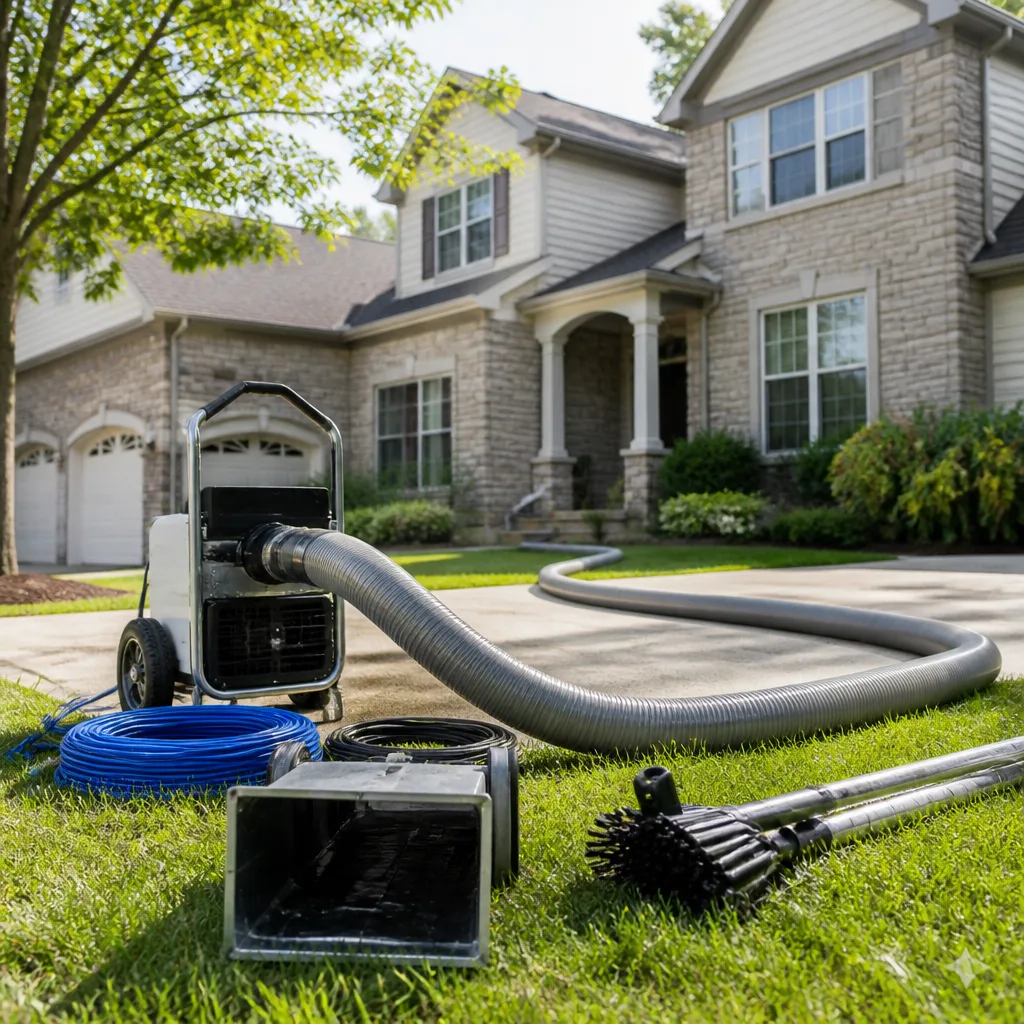
There are maintenance tasks a homeowner can do, and there are tasks that require equipment you don’t own and shouldn’t rent. If you see dust streaks at every register, if the coil is visibly matted, if you’ve had renovation work or rodent activity, or if the system has been running for two or more South Gate cooling seasons without a duct cleaning, the next step is a professional assessment. Duct interiors need agitation and extraction, not just vacuuming: a brush system that contacts the duct walls and a HEPA-rated vacuum that captures what gets dislodged. That’s not a weekend project.
Duct Cleaning South Gate offers free estimates in South Gate. Call (855) 925-0879 to schedule an inspection. We answer 24/7. Fast dispatch from 7am to 7pm, Sunday through Friday.
Frequently Asked Questions
Most South Gate homes need air duct cleaning every 2 to 4 years, with homes near the 710 corridor, homes with multiple pets, or households with smokers often needing service every 18 to 24 months. The interval is set by occupancy density, pet dander load, and ambient outdoor PM2.5, not by a generic calendar. Call (855) 925-0879 for a free assessment based on your home’s actual conditions.
Yes. South Gate’s cooling season runs 10 to 11 months, which means HVAC systems accumulate 40 percent more run-hours annually than the national average used in most maintenance recommendations. More runtime means more particulate deposition per calendar year, which shortens the practical cleaning interval compared to homes in cooler climates.
Look for dust streaks on ceilings or walls around supply registers, visible dust accumulation on the return grille, a filter that’s loading up faster than normal, or a musty odor when the system first starts. Any of these signals means the ducts are accumulating faster than your current interval accounts for. A professional inspection can confirm whether cleaning is needed now or later.
A MERV 11 to 13 pleated filter is the right range for most South Gate homes, provided your system can handle the increased resistance without static pressure problems. Check the filter monthly during the cooling season and replace on condition, not on the packaging’s day count. Higher MERV ratings aren’t automatically better if the system wasn’t designed for them.
Partial cleaning is possible: wiping register faces, vacuuming return grilles, and changing filters are all homeowner tasks. What you cannot safely or effectively do is clean the interior of the duct runs themselves. That requires a rotary brush system that contacts the duct walls and a HEPA-rated vacuum that captures dislodged particulate rather than recirculating it. Without proper equipment, DIY attempts risk pushing debris deeper into the system or damaging the ductwork.
Air duct cleaning in South Gate typically ranges from $350 to $650 for a single-family home, depending on the number of supply and return runs, the level of contamination, and whether the dryer vent is included. The written estimate sets the final price before work begins, with no per-vent upcharges. Call (855) 925-0879 for a free estimate.
The Bottom Line
South Gate households can’t rely on a national three-to-five-year interval that assumes a short cooling season and average outdoor air. The honest schedule comes from three variables: how many people and pets live in the home, how close the home sits to the 710 corridor, and how many hours the system runs each year. Score your home honestly, keep up with monthly filter and register care, and track everything in a simple maintenance log. When the score says it’s time, schedule professional cleaning with equipment you can verify by name. The ducts will tell the truth; you just have to know how to read them.
Written by the team at Duct Cleaning South Gate, serving South Gate since 2013.
See the difference
 Before
 After
 Before
 After
 Before
 After