
Last updated November 4, 2026
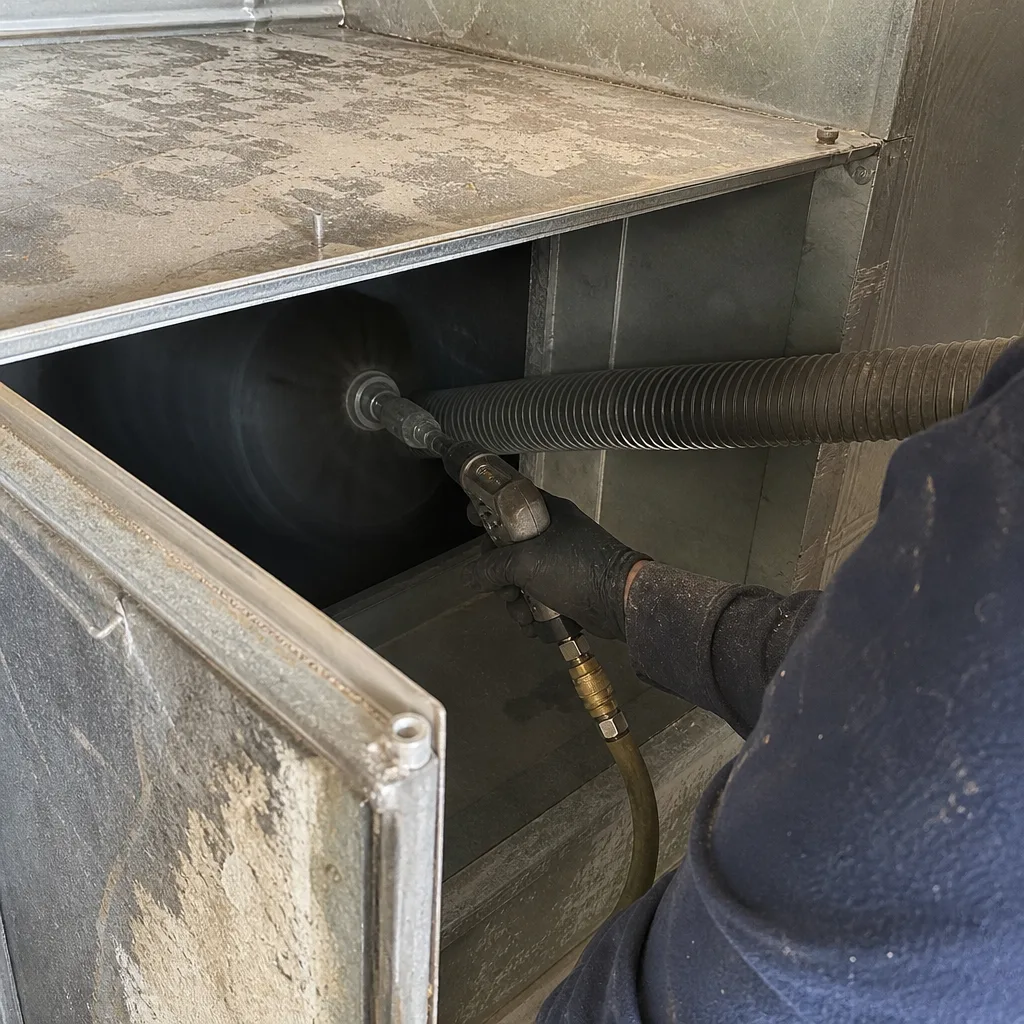
 Whole-home duct cleaning
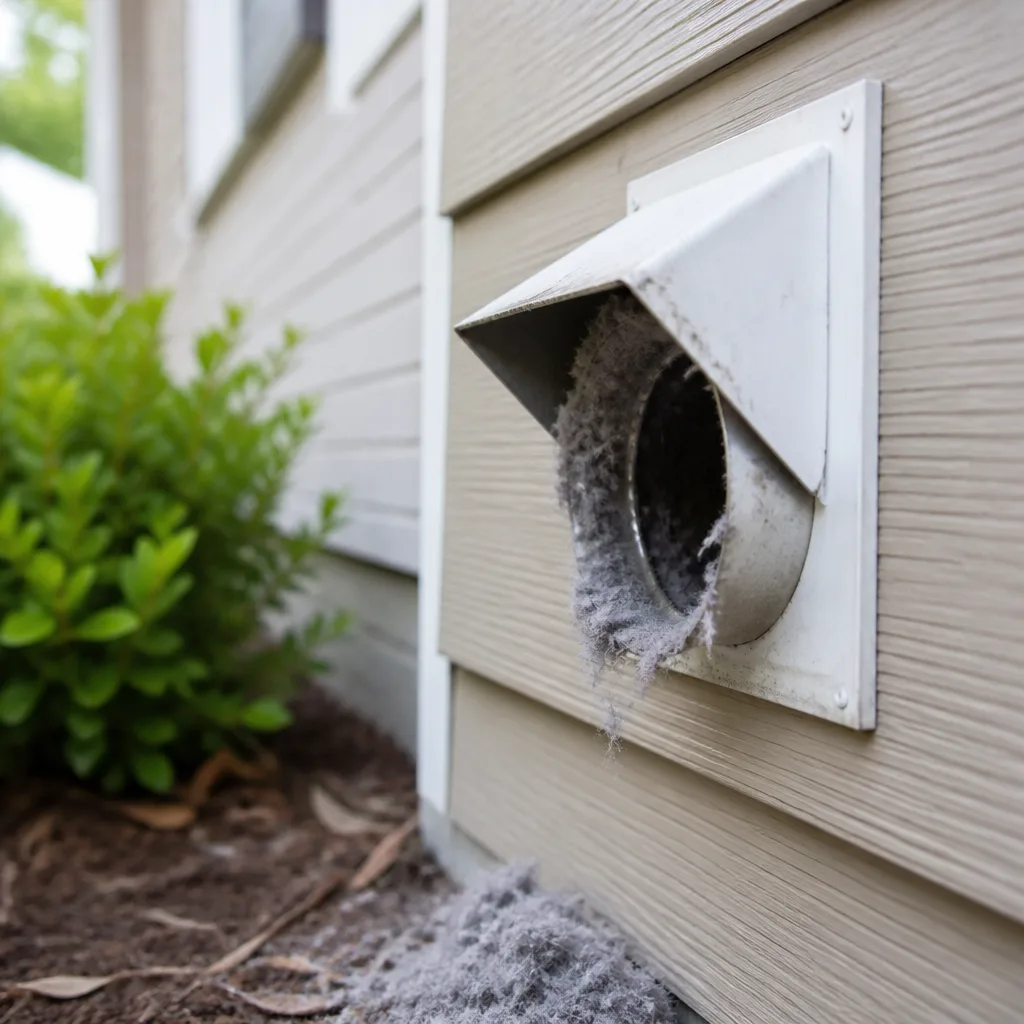 Dryer vent cleaning
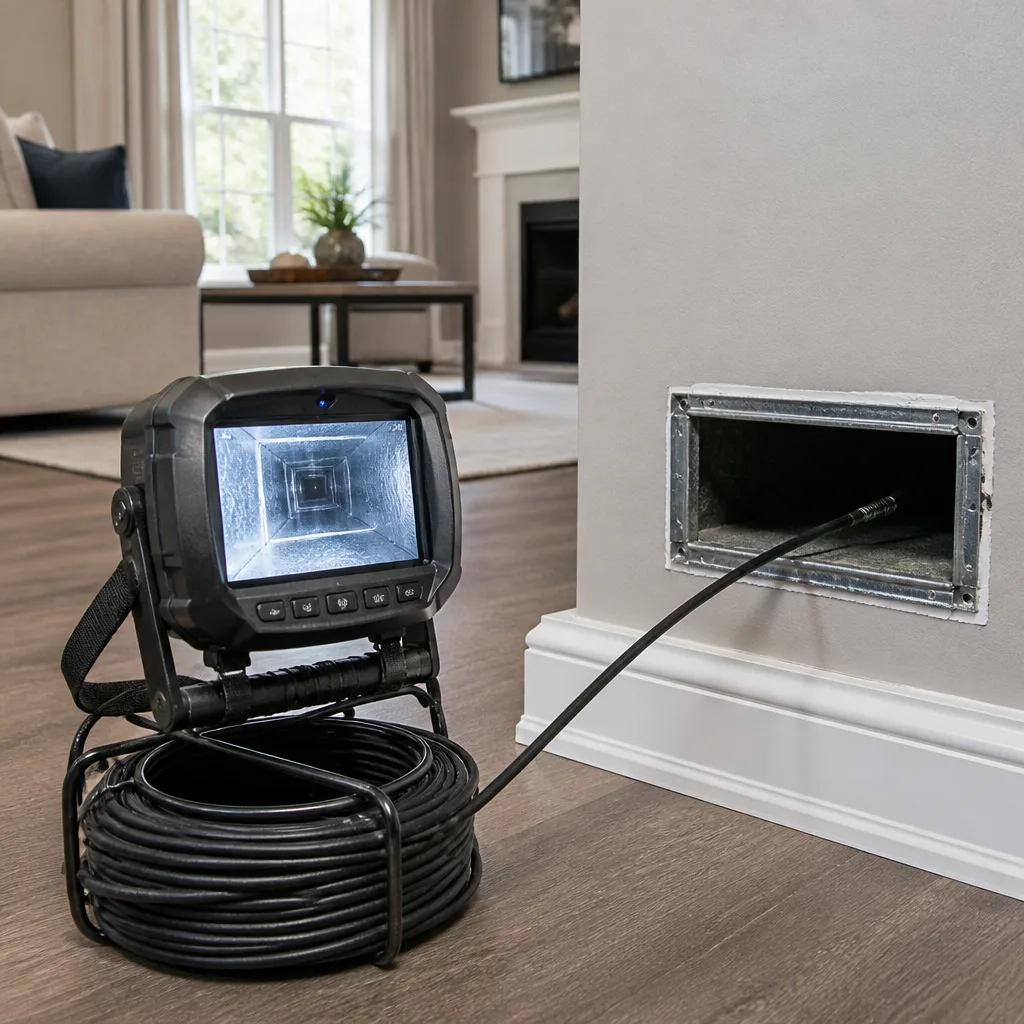 Camera inspection
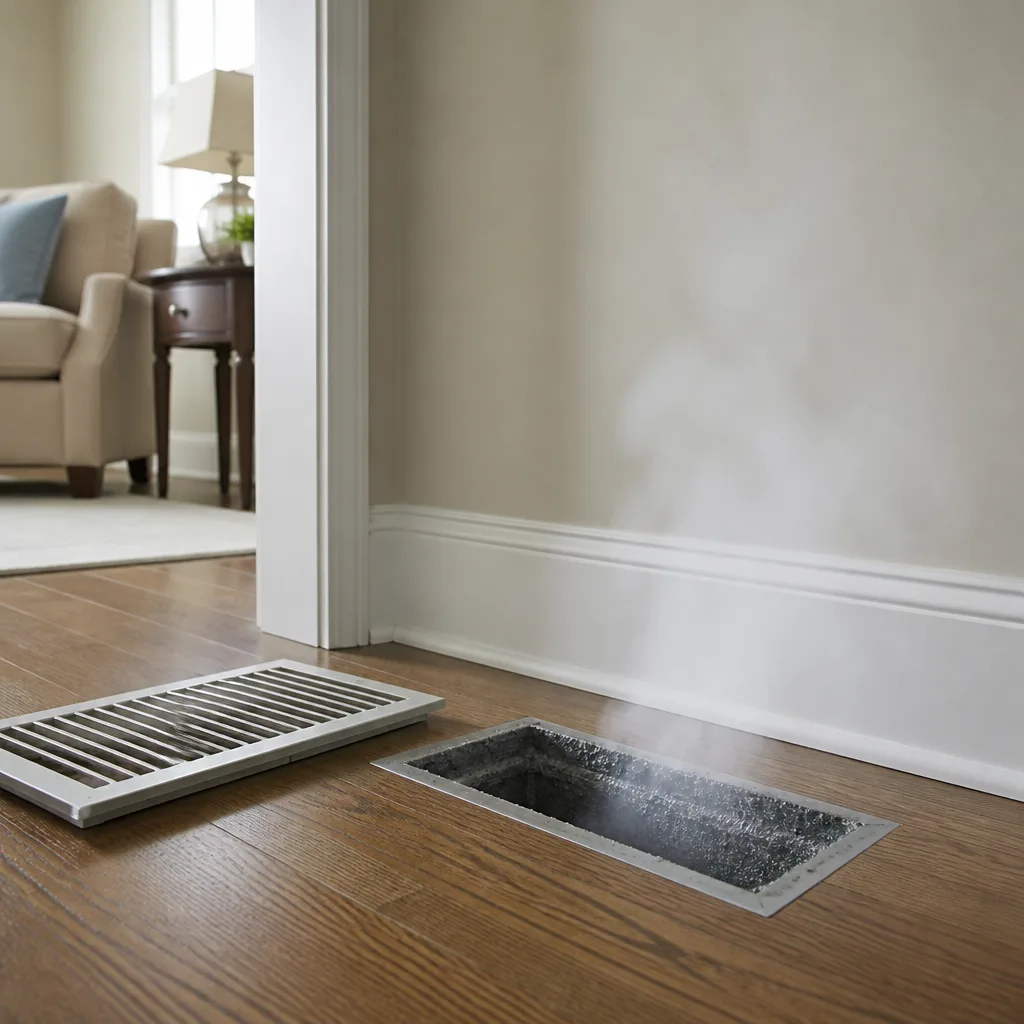 Sanitizing & deodorizing
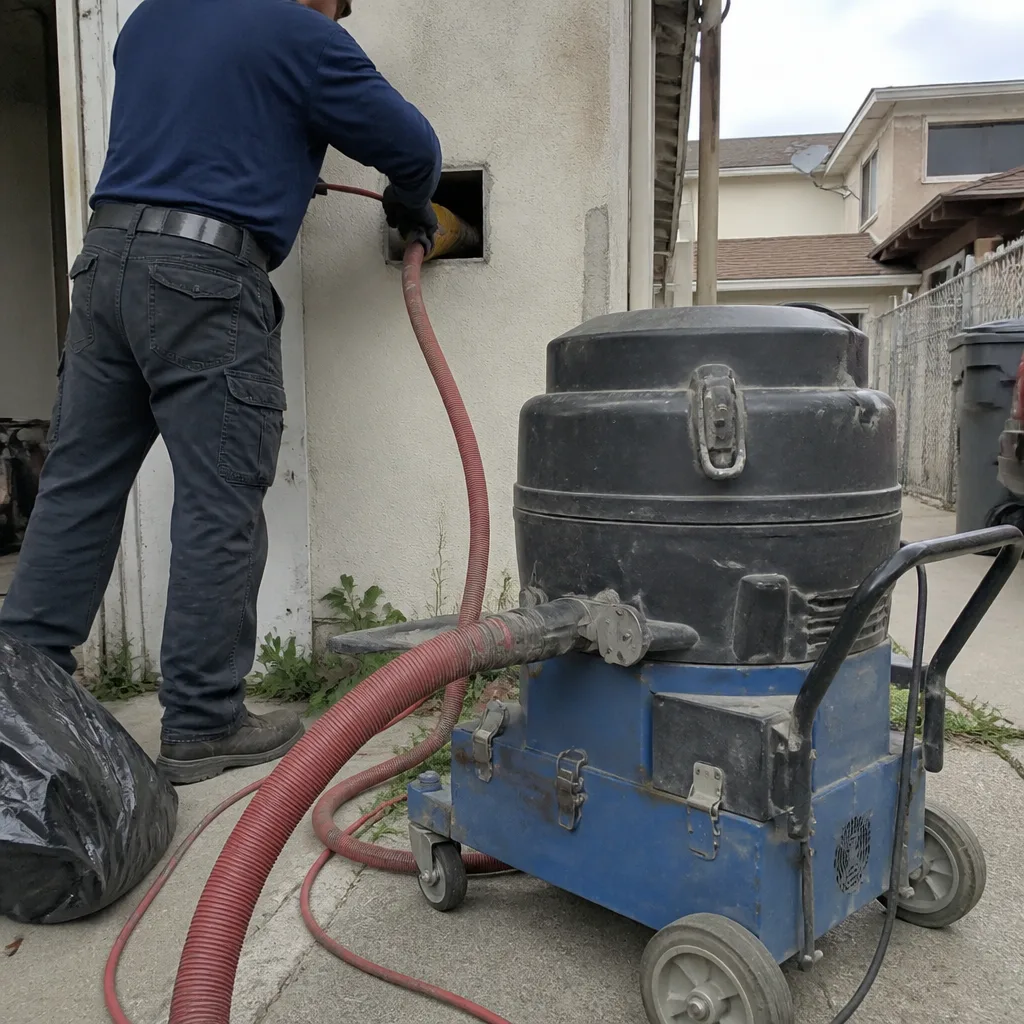
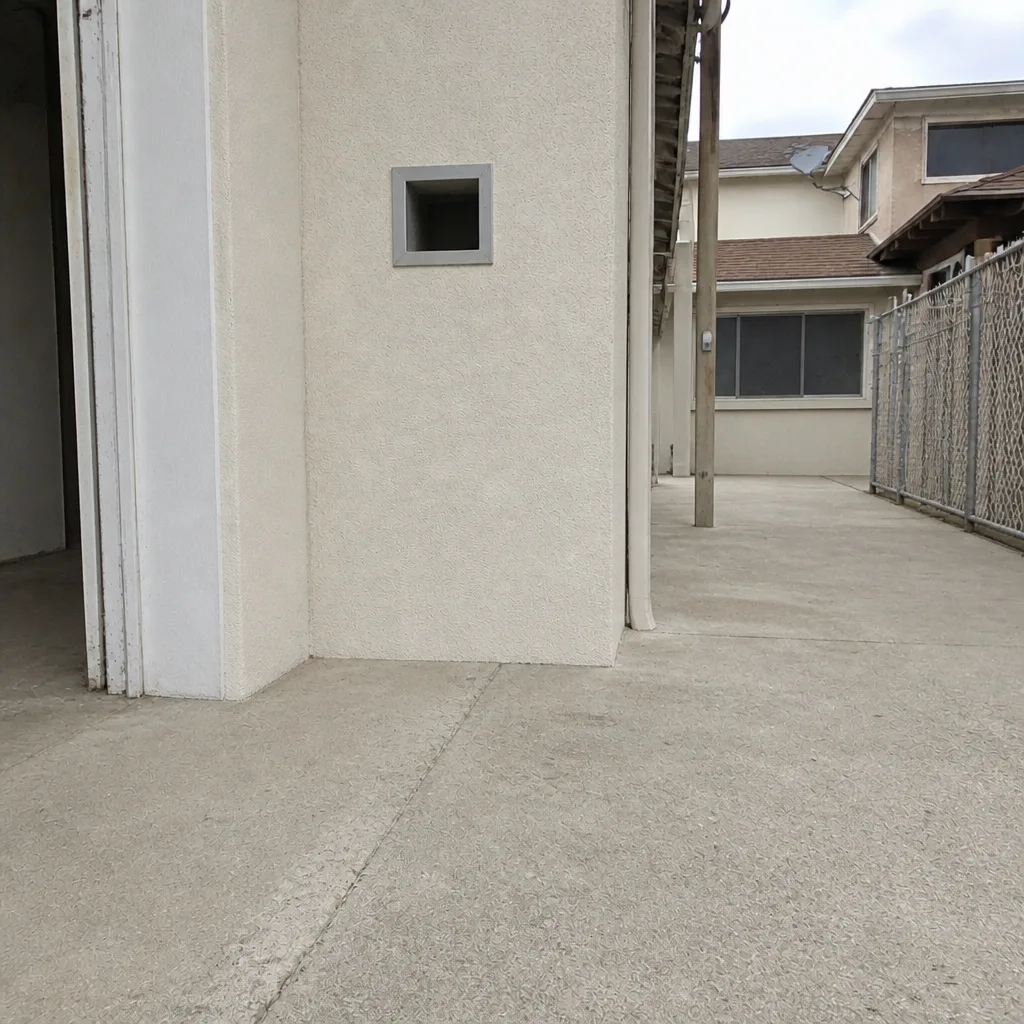
Whole-system duct and dryer vent check with before-and-after photos - you see exactly what came out of your vents
That "$99 whole-house special" is a bait ad - the real number appears once they are in your hallway, or the "clean" is a shop-vac at the register. We photograph the inside of your ducts before and after instead.
Air Duct Cleaning Troubleshooting in South Gate: Common Problems and How to Fix Them
If one room in your South Gate house stays 8 to 10 degrees hotter than the rest regardless of how often you change the filter, the problem almost certainly is not the filter. It is either a collapsed section of flex duct or a damper stuck in the closed position, and neither one shows up when you look at the vent. Most duct problems work this way: the symptom you notice at the register is a long way from the mechanical failure causing it. This guide maps the specific symptoms South Gate homeowners report, the root causes behind them, and what actually fixes each one so you can describe the problem accurately before a technician ever sets foot in the house.
Styles & brands we work with
- Whole-home duct cleaning
- Dryer vent cleaning
- Camera inspection
- Sanitizing & deodorizing
Quick Answer
Most duct problems in South Gate homes fall into four categories: airflow loss from leaks, collapsed sections, or stuck dampers; contamination from dust, debris, or biological growth; noise from loose components or expanding metal; and efficiency loss from disconnected or poorly sealed joints. A visual vent check almost never reveals the true cause. The fix begins with a pressure test or camera inspection of the duct interior, not a filter swap. Duct Cleaning South Gate offers free estimates in South Gate. Call (855) 925-0879.
Table of Contents
- Uneven Airflow: Why One Room Never Gets Comfortable
- Dust, Odor, and That Musty Smell That Won’t Leave
- Rattling, Popping, and Other Duct Noises
- The Utility Bill Spike That Doesn’t Match the Weather
- Cleaning Problem or Sealing Problem: How to Tell the Difference
- Older South Gate Homes and Asbestos-Wrapped Ducts
- Why DIY Compressed Air Makes Contamination Worse
- The Dryer Vent Problem Nobody Checks Until It’s a Fire Risk
- Common Mistakes to Avoid
- When to Call a Professional
- Frequently Asked Questions
- The Bottom Line
Uneven Airflow: Why One Room Never Gets Comfortable
South Gate homes, especially the older tract houses built from the late 1940s through the 1970s in neighborhoods around Tweedy Boulevard and the Library District, share a common duct layout. A single trunk line runs through the attic or crawl space with flexible branches feeding each room. That design works until something breaks the path, and when it does, the symptoms are predictable: one bedroom stays hot in summer, another stays cold in winter, and the thermostat reads fine because the central sensor never sits in the problem room.
Three mechanical failures cause most uneven airflow in this housing stock:
- Collapsed flex duct: Flexible duct sections sag over time, especially when installers hung them with too few supports or used plastic straps that have since failed. A collapsed section can reduce airflow by 70 percent or more before the homeowner sees any visible damage at the register.
- Stuck damper: Older systems often have manual volume dampers at the branch takeoff. The little metal lever sits inside the duct, and after years of thermal cycling it corrodes or jams in the closed position. The vent looks fine. The duct behind it is effectively shut.
- Disconnected joint: Duct tape, the cloth-backed adhesive product, dries out and fails. A joint that separates in the attic dumps conditioned air into a space nobody is trying to heat or cool. The room at the end of that branch starves.
The diagnostic step that separates a real fix from guesswork is static pressure measurement at the plenum combined with a visual inspection of each accessible branch line. When our technicians work through a South Gate attic, we look for exactly these three conditions before we clean anything, because cleaning a duct system with a collapsed branch does not restore airflow. It just makes a collapsed duct cleaner. Air duct cleaning removes contamination from a functional system. Repair restores function to a broken one. The two are not interchangeable.
Dust, Odor, and That Musty Smell That Won’t Leave
Dust odor in a ducted system is usually described two ways by South Gate homeowners: a dusty, burnt smell when the heat first comes on, or a persistent musty, damp odor in specific rooms. Both point to different contamination sources, and both require different responses than simply changing the return air filter.
The burnt dust smell on startup is usually exactly what it sounds like: a layer of fine particulate sitting on the heat exchanger that burns off during the first cycle. It collects there because the return side of the system pulls air through the ductwork, and when the filter is undersized, poorly seated, or changed infrequently, bypass air carries dust past the filter frame and into the equipment. Cleaning the ducts without replacing or reseating the filter means the dust comes back within a season.
Persistent musty odor is different. It usually indicates moisture intrusion somewhere in the duct path: a condensation leak at the evaporator coil, a bathroom exhaust fan vented into the attic instead of through the roof, or a return air chase pulling crawl space air. South Gate’s marine-influenced climate means we see indoor humidity above 60 percent for much of the year, and inside a dark, cool duct, that humidity supports biological growth on accumulated particulate. A HEPA-filtered vacuum pass removes the organic material the growth feeds on. It does not fix the moisture source, which is why our technicians always check for condensation and venting problems when we encounter odor complaints.
When we run a Nikro HEPA-rated unit during cleaning, the point is containment. The particulates dislodged from the duct walls are pulled through the vacuum and captured, not recirculated into the living space through an open vent. That distinction matters more in an odor situation, because the last thing you want is biological material or fine particulate blown through the house while someone agitates the duct walls.
Rattling, Popping, and Other Duct Noises
Ducts make noise for one reason: something is moving that should not be moving, or expanding when it has nowhere to go. Most South Gate homeowners describe it as a rattle in one wall, a popping sound that happens when the system cycles on, or a rhythmic thumping in the attic.
Rattling at a specific register usually means the damper blade inside the register boot has come loose from its adjustment lever. The blade flutters in the airflow and taps against the metal frame. Tightening or replacing the register costs very little and solves the symptom immediately, but it is worth checking whether the damper is actually balancing airflow rather than just being removed. If the room is comfortable with the damper open, the rattle is just a hardware problem.
Popping when the system starts or stops is metal flexing. Rectangular trunk lines, especially older galvanized steel ones, expand slightly when warm air hits them and contract when the system shuts down. If the duct was installed too tightly against framing or strapped with rigid metal hangers instead of vibration-isolating supports, the metal has nowhere to move, so it pops. This is annoying and fixable, usually by adjusting hangers or adding felt isolation where the duct contacts framing, but it is rarely a performance problem. It is the duct telling you the installation was done with no allowance for thermal movement.
Rhythmic thumping in the attic is often a section of flex duct that has come loose from its hanger and is now resting on a ceiling joist. The air pressure pulses inside the duct as the blower cycles, and each pulse lifts the duct slightly and drops it. The fix is re-hanging the section. The symptom matters because a duct resting on framing also rubs, and years of rubbing wears through the outer jacket and eventually the inner liner.
The Utility Bill Spike That Doesn’t Match the Weather
South Gate sits in a climate where the air conditioner runs for a solid portion of the year, and a utility bill spike in July gets attributed to the heat. But when a homeowner tells us the bill jumped 30 percent over the same month last year with similar temperatures, the duct system is usually involved in one of three ways.
First, disconnected ducts. A separated joint upstream of a supply register dumps cooled air into the attic. The thermostat never sees that air, the compressor runs longer to satisfy the house, and the bill climbs. The fix is reconnecting the joint and sealing it with mastic, not tape. Mastic is a paste sealant that dries into a flexible, permanent seal. It does not degrade the way adhesive tapes do in attic heat.
Second, a collapsed return branch. The system starves for air, the blower works harder, and the evaporator coil may ice over. A frozen coil reduces efficiency dramatically until it thaws, and repeated freeze cycles can damage the compressor. This is a mechanical problem, not a thermostat setting.
Third, return air leakage from unconditioned spaces. If the return side pulls air from an attic or garage, the system is cooling hotter, dirtier air than it should. A leak on the return side is invisible from the living space because it does not dump air into a room. It quietly increases load on the equipment. Sealing a return leak often produces a measurable reduction in cooling costs and a noticeable reduction in indoor dust, and it is one of the root causes we look for when a Duct Cleaning South Gate customer mentions both a high bill and a dusty house in the same call.
Cleaning Problem or Sealing Problem: How to Tell the Difference
This question is the single most useful distinction a homeowner can make before spending money. A cleaning problem is contamination that has accumulated inside a functioning duct system. A sealing problem is a leak, separation, or gap in the duct wall that allows outside air, dust, and moisture into the system, and it will re-contaminate the ducts within months no matter how well the system was cleaned.
The signs of a cleaning problem are dust accumulation inside the ducts, visible debris at supply registers, a musty smell coming from the vents, or dark staining around vent openings. These respond to professional air duct cleaning with agitation and HEPA-filtration equipment. The Rotobrush rotary brush system agitates debris off the duct walls while the vacuum extracts it, which is a different process from simply vacuuming the center of the duct with a truck-mount blower.
The signs of a sealing problem are rooms that never reached the same temperature as the rest of the house, utility bills that stay high after cleaning, visible gaps at duct joints in the attic, or dust that reappears within a few months of cleaning. These respond to duct repair and sealing, not another cleaning pass. A negative-pressure test, which is distinct from a visual inspection, measures how much air the duct system leaks by pressurizing or depressurizing it and quantifying the flow. It reveals leaks that no visual check can find, because the leak may be in a section of duct buried under insulation or in a joint hidden behind framing. That is why the diagnostic matters. Cleaning a leaking system is like mopping a floor with an open window.
Older South Gate Homes and Asbestos-Wrapped Ducts
Homes in the older South Gate tract developments, particularly those built before 1980 in the neighborhoods south of Firestone Boulevard and around South Gate Park, often contain asbestos-wrapped trunk lines in the attic or under the floor. Asbestos was used as thermal insulation on metal ductwork for decades, and it does not announce itself. The wrap looks like a gray or white paper material, sometimes with a fibrous texture, and it is often still present in homes that have never had the heating system replaced.
This changes the remediation protocol entirely. Standard duct cleaning with a rotary brush agitates debris from the duct interior. If the duct is wrapped in asbestos, the wrap sits on the exterior, but the cleaning process, the inspection, and any repair work must account for the presence of a regulated material. Cutting into or disturbing asbestos-wrapped duct requires specialized handling and, in most cases, professional abatement before duct repair work can proceed. A homeowner should not attempt to clean, patch, or seal an asbestos-wrapped duct themselves. The correct response is to have the material identified and assessed before any work begins.
When we inspect older South Gate homes, we check for this before recommending any cleaning or repair. It is one of the reasons a visual inspection by someone who knows what to look for matters more than a phone quote. The conversation changes completely when asbestos is present, and the safe path is a containment and abatement protocol, not a brush pass.
Why DIY Compressed Air Makes Contamination Worse
The do-it-yourself approach many South Gate homeowners try is to take a shop air compressor, insert the nozzle into a supply register, and blow air backward through the duct. The idea is to push dust out of the register so it can be vacuumed or wiped up. What actually happens is less comfortable: the compressed air pressurizes the duct, dislodges debris from the walls and trunk line, and sends a cloud of fine particulate out through every open register in the house. Without containment, the dust settles on furniture, bedding, and floor surfaces, and some of it stays airborne long enough to be inhaled.
This is the exact opposite of professional practice. During a proper cleaning with Nikro HEPA-rated equipment, the duct system is placed under negative pressure. The vacuum pulls air from the ducts into a sealed filtration unit before it exhausts anywhere near the living space. Agitation tools work inside that negative-pressure environment, so anything loosened from the duct walls moves toward the vacuum inlet rather than dispersing through the home. The debris is captured, not recirculated, which is the distinction that matters. Abatement Technologies containment equipment takes this a step further, using negative-air and containment practices borrowed from mold and restoration work, where the goal is to keep dislodged material from leaving the worksite at all.
Compressed air also pushes debris deeper into branch lines and can compact material into corners where a standard rotary brush has difficulty reaching it. The homeowner who started with a mild dust problem can end up with a more expensive cleaning and a house full of loosened particulate. The tool choice is not a matter of convenience. It is the difference between removing contamination and redistributing it.
The Dryer Vent Problem Nobody Checks Until It’s a Fire Risk
Dryer vents are part of the same air pathway system as the supply and return ducts, but they collect a completely different type of debris: lint, which is highly combustible. Dryer vent cleaning is a fire-safety service. National fire safety organizations have documented that clogged dryer vents are a leading cause of residential fires, and the mechanism is simple. Lint accumulates in the duct, restricts airflow, the dryer runs hotter to push through the restriction, and the accumulated lint eventually reaches ignition temperature.
The warning signs are specific. Clothes take longer than one cycle to dry completely. The dryer exterior feels hotter than it used to. The laundry room gets noticeably humid during a cycle. Or you can visually inspect the exterior vent hood while the dryer runs and see weak airflow where there used to be a strong exhaust plume. Any of these justify an inspection.
We treat dryer vent cleaning as a distinct service with its own protocol. The duct is disconnected from the dryer, the entire run is brushed from both ends where accessible, and the exhaust is verified at the exterior termination. It is not an add-on to a duct cleaning. It is a standalone fire-safety measure, and it is one of the three core services we provide alongside air duct cleaning and air duct repair. If your dryer vent has not been cleaned within the past year and your clothes are taking longer to dry, the fix is an hour of professional work, not a new dryer.
Common Mistakes to Avoid
- Replacing the filter and assuming that solved it. A filter only protects the equipment from incoming particulate. It does nothing for leaks, collapsed sections, stuck dampers, or existing contamination inside the ducts. If the symptom persists after a filter change, the root cause is elsewhere.
- Cleaning ducts before checking for leaks. A leaking duct re-contaminates within months. Diagnose the leak first, clean after sealing, or do both in one scope of work. Cleaning a system that is actively pulling attic air through a separation is wasted money.
- Using adhesive duct tape on a duct joint. The cloth-backed tape sold as duct tape fails in attic heat. It dries, cracks, and peels, and it does not seal air. Use mastic. South Gate attics easily reach 140°F in the summer, and that temperature kills adhesive tapes quickly.
- Ignoring a musty odor because cleaning removed it temporarily. Odor comes from moisture, not just particulate. If the moisture source is not corrected, the odor returns. Check for condensation at the coil, bathroom fans vented into the attic, and crawl-space air entering the return side.
- Blowing compressed air into a register. This redistributes debris toward living spaces and makes the contamination problem worse. Without negative-pressure containment, you are moving dust around, not removing it.
- Treating a slow dryer as a dryer problem. A dryer that takes two cycles to dry clothes is usually a vent restriction, not a failing heating element. The vent is the cheaper fix and the safer one.
- Assuming an older South Gate home has clean ductwork because the vent covers look fine. The vent cover is a grille. It tells you nothing about what sits on the duct walls behind it, and if the home was built before 1980, the ducts may require asbestos assessment before any work proceeds.
When to Call a Professional
Call a professional when the problem involves anything beyond a filter change or a register adjustment. Specifically: when one room remains uncomfortable after the easy fixes are exhausted, when the utility bill stays high despite the thermostat being set reasonably, when a musty or dusty odor persists through multiple filter changes, when the dryer takes more than one cycle to dry clothes, or when the home was built before 1980 and the ducts have never been inspected. Each of these points to a mechanical or contamination problem that visual checks at the vent cannot diagnose. The inspection itself is where the answer is found, and a negative-pressure or camera inspection beats guessing every time. Duct Cleaning South Gate offers free estimates in South Gate. Call (855) 925-0879. We answer 24/7. Fast dispatch from 7am to 7pm, Sunday through Friday.
Frequently Asked Questions
Air duct cleaning in South Gate is priced by the job and confirmed by written estimate before work starts. The final cost depends on the size of the home, the number of supply and return runs, the level of contamination, and whether repair work is included. We do not charge by the vent, and we do not quote a small teaser price that inflates once the technician is on site. Call (855) 925-0879 for a free estimate. We answer 24/7.
You cannot know for certain without an inspection, but the symptoms point in different directions. Dust debris and odor point toward cleaning. Uneven room temperatures, high utility bills, and dust that returns quickly after cleaning point toward leaks or disconnected sections that need repair. A pressure test or camera inspection confirms which problem you actually have. Treating a sealing problem with another cleaning pass wastes money.
Cheaper quotes usually reflect less equipment, less time, or a different method. A basic truck-mount blower vacuums the center of the duct but does not agitate debris off the walls. A rotary brush system like Rotobrush mechanically removes the adhered particulate before extraction. HEPA-rated equipment like Nikro captures fine material rather than exhausting it near the home. The price difference usually corresponds to the equipment difference. Ask what tooling will actually be used before comparing quotes.
Ask for before-and-after photos of the duct interior. A reputable service will photograph the main trunk line and representative branch runs during and after cleaning. You should see a visible difference between the layered dust on the duct walls and the clean metal or flex interior after the pass. If a company refuses to provide photos, treat that as a red flag. The duct interior is documentable, and a professional service should be willing to show the work.
Most homes benefit from air duct cleaning every three to five years, but the schedule varies with specific conditions. Homes with shedding pets, recent construction or renovation, smokers, or residents with allergies or respiratory conditions usually need more frequent attention. South Gate’s older housing stock also factors in. If the ducts have never been cleaned in a home that is 40 or more years old, the accumulation is likely substantial and may include debris from prior renovations.
Duct cleaning removes accumulated particulate from the duct walls so it is not continuously circulated through the home. For people with dust, mold, or pet allergies, reducing the particulate load inside the air pathway can make a meaningful difference in symptom severity. The duct system is one part of the indoor air picture. The filter, the humidity level, and the presence of leaks also matter, which is why we assess the whole air pathway rather than just cleaning the ducts in isolation.
The Bottom Line
Most duct problems in South Gate are mechanical or contamination issues that visual vent checks cannot reveal. Uneven airflow points to leaks, collapsed sections, or stuck dampers. Persistent odor points to moisture and particulate accumulation. Noisy ducts point to failed hangers or thermal movement. High bills point to disconnected or leaking returns. Each symptom maps to a different root cause, and the fix is specific: repair what is broken, seal what is leaking, clean what is contaminated, and do the inspection that tells you which one applies. The equipment matters because containment matters. Rotobrush agitation and Nikro HEPA filtration remove material from the system rather than moving it through the home. Older South Gate homes add an asbestos consideration that changes the protocol. If the problem persists after a filter change, the next step is an inspection, and the call is (855) 925-0879.
Written by the team at Duct Cleaning South Gate, serving South Gate since 2013.
See the difference
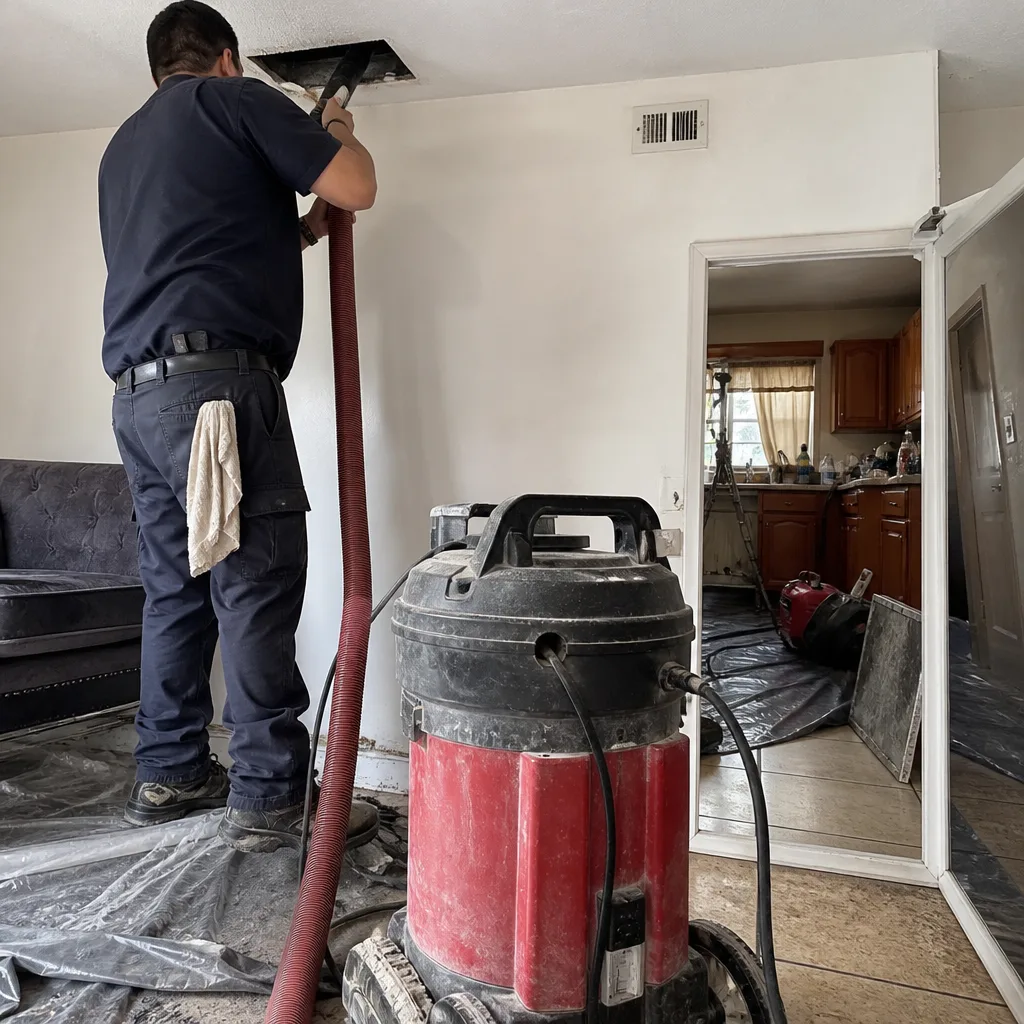 Before
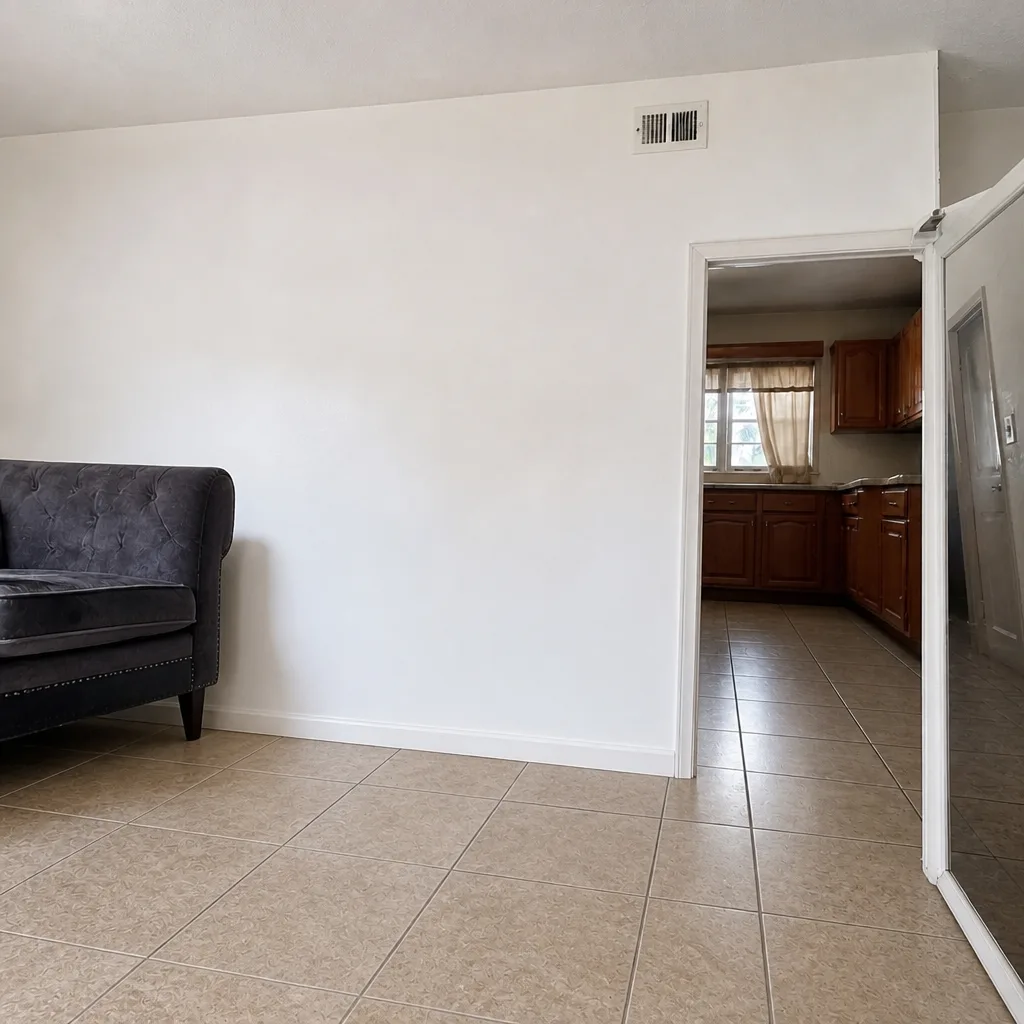 After
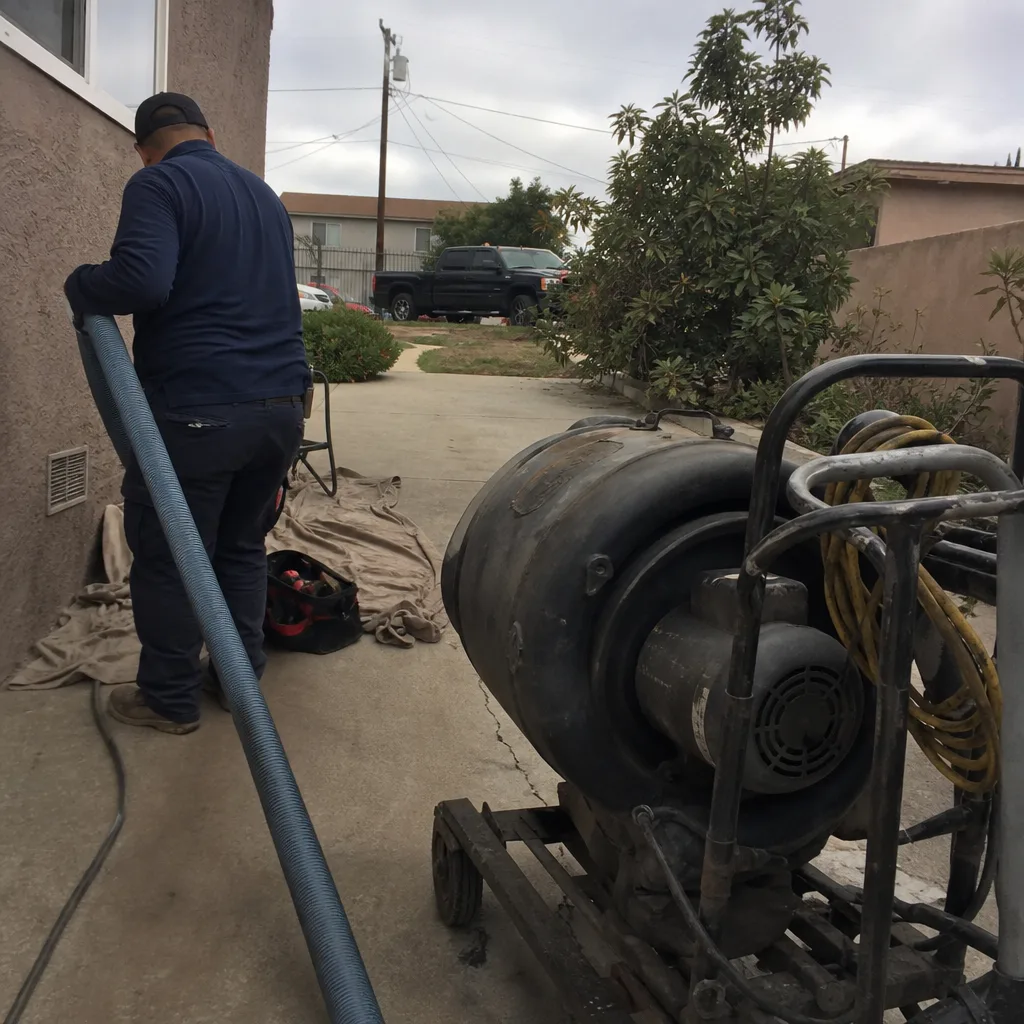 Before
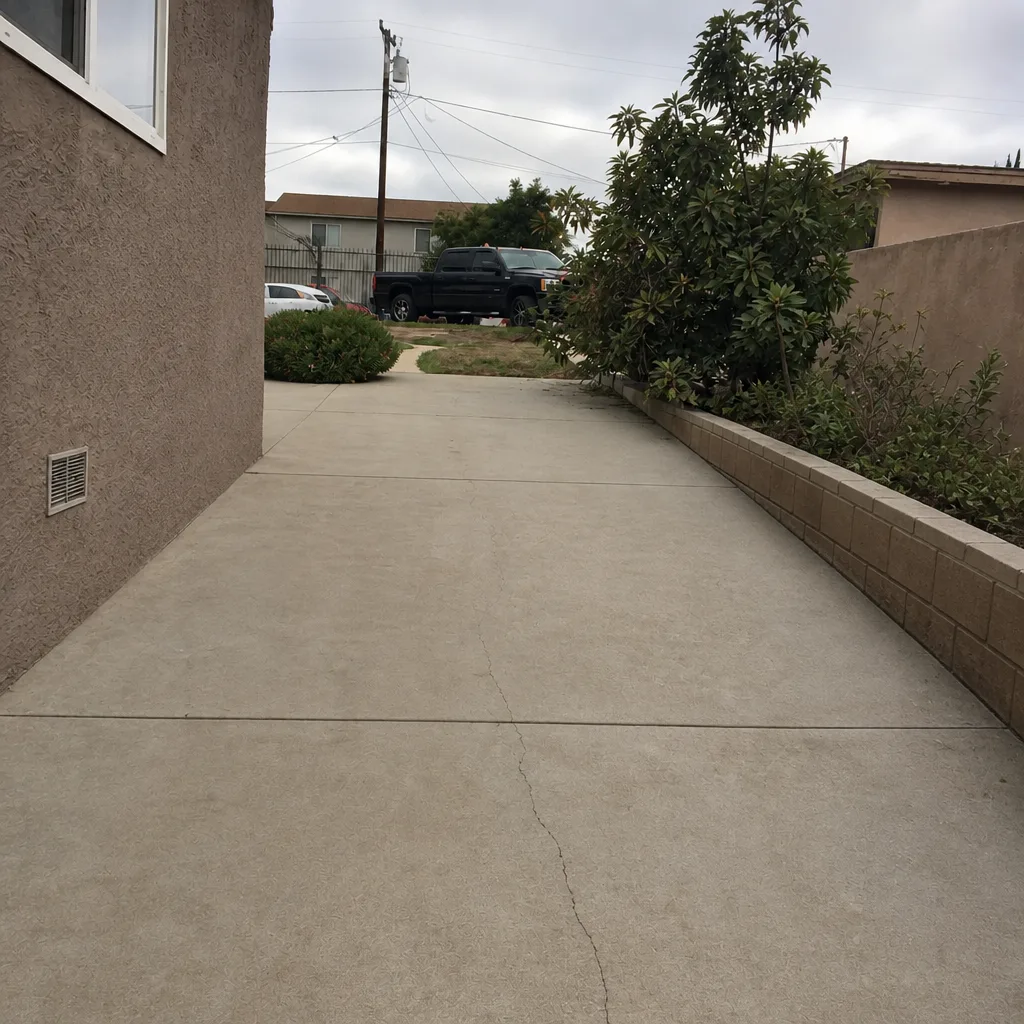 After
 Before
 After