Last updated November 4, 2026
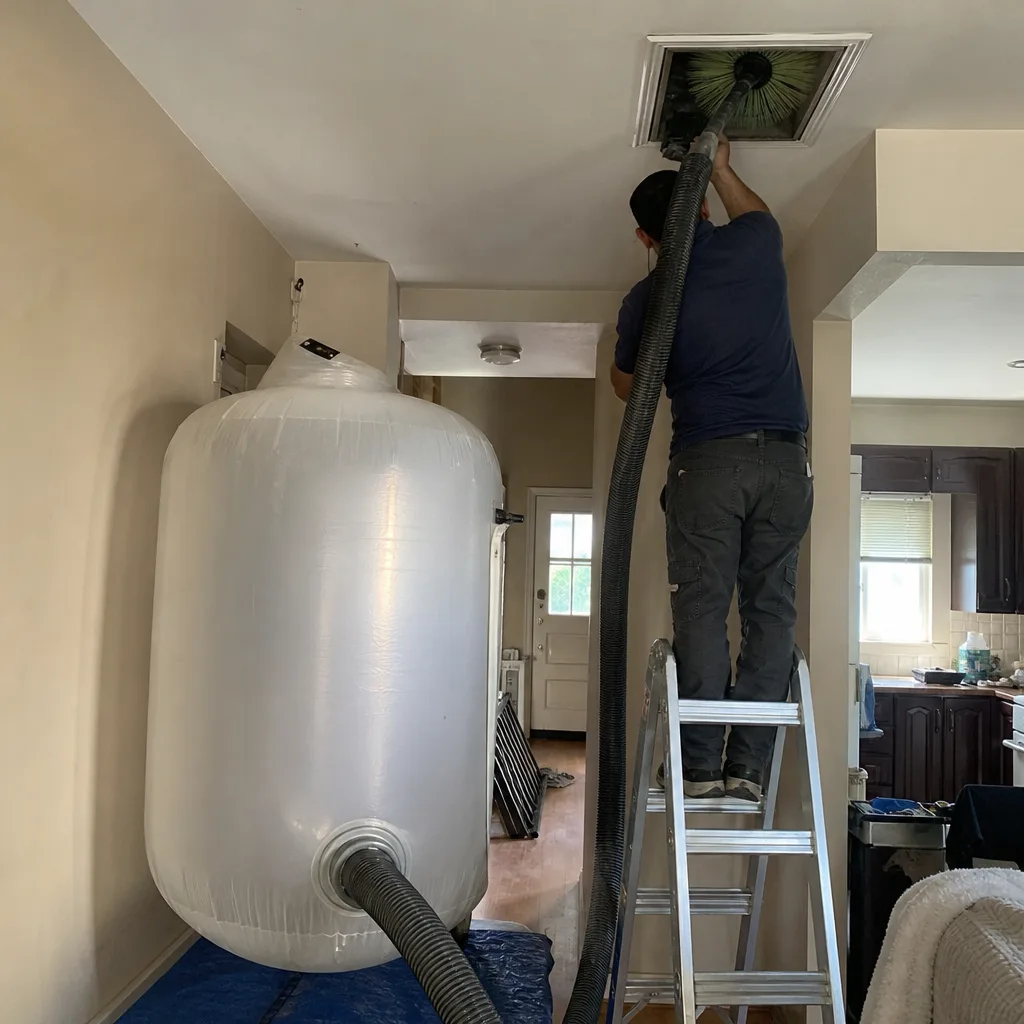
 Whole-home duct cleaning
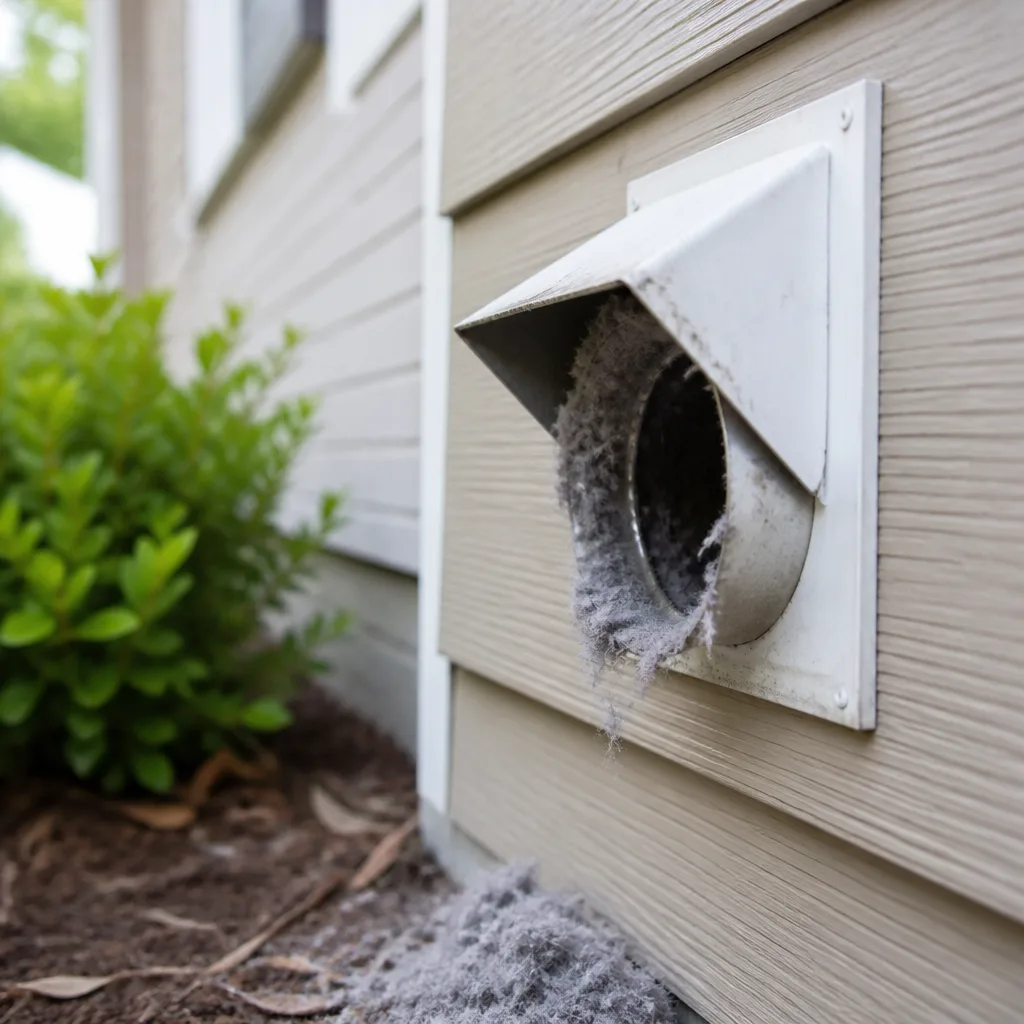 Dryer vent cleaning
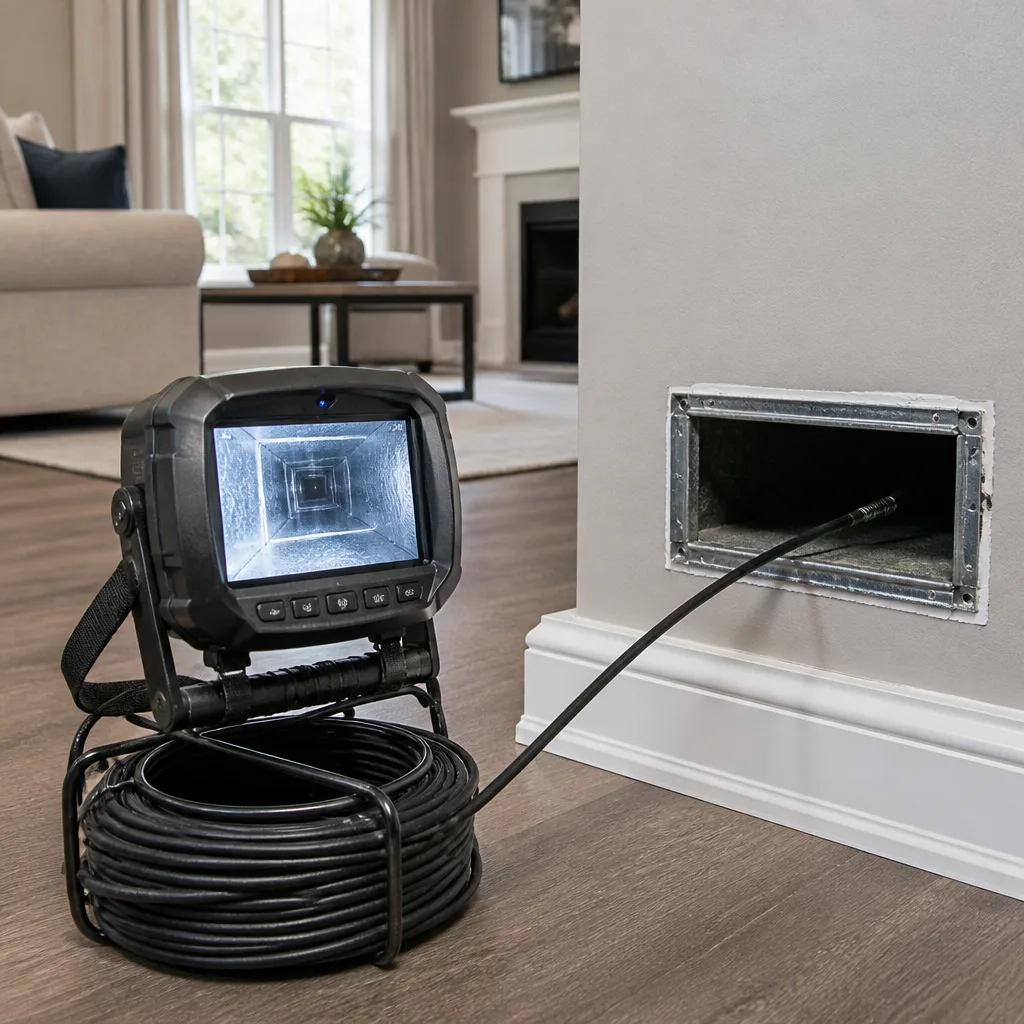 Camera inspection
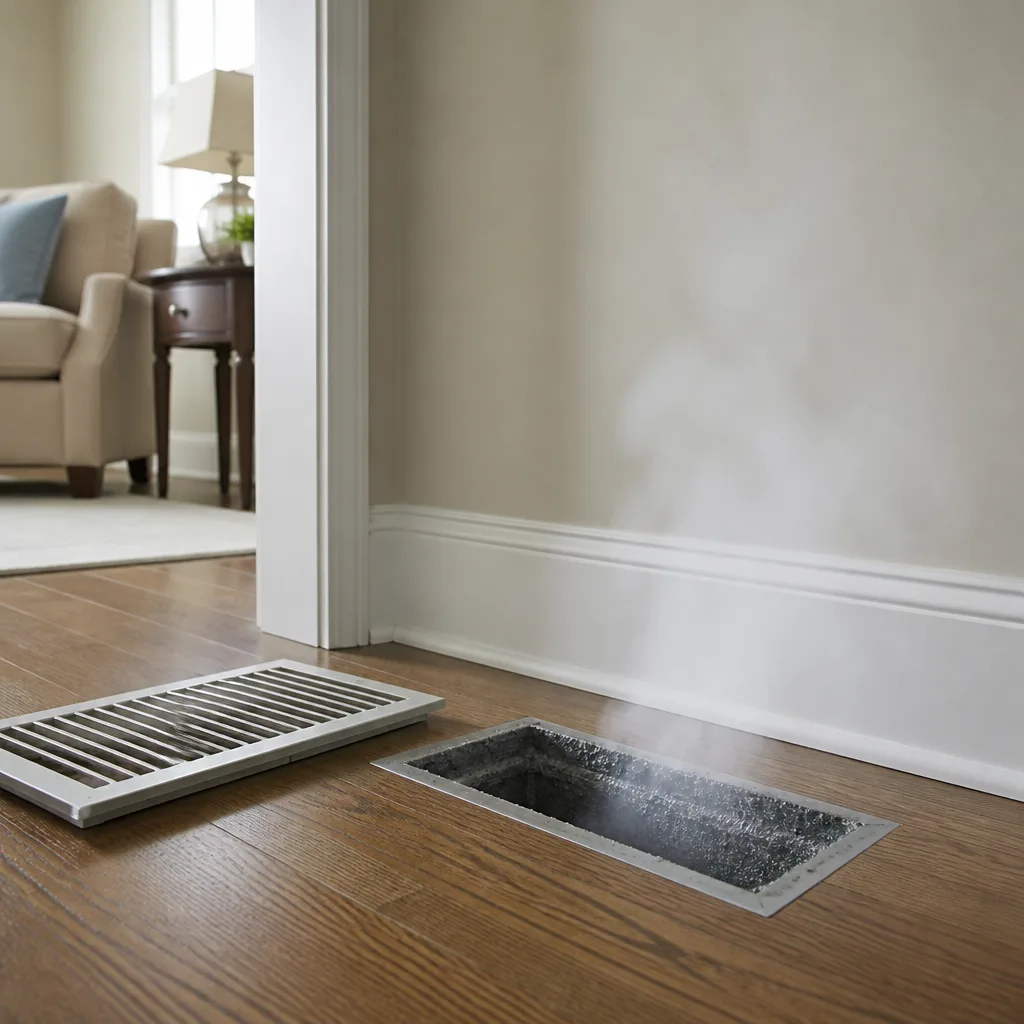 Sanitizing & deodorizing
Whole-system duct and dryer vent check with before-and-after photos - you see exactly what came out of your vents
That "$99 whole-house special" is a bait ad - the real number appears once they are in your hallway, or the "clean" is a shop-vac at the register. We photograph the inside of your ducts before and after instead.
Choosing the Right Air Duct Cleaning Brand: A Buyer’s Guide for South Gate
Most homeowners in South Gate spend more time researching a $40 kitchen appliance than they do the company that will clean the air pathways inside their walls. Duct cleaning purchases tend to happen fast: the vents are dusty, someone noticed an odor, or a relative mentioned allergies. The first name that appears gets the call. That instinct is backwards. The company logo painted on the van tells you almost nothing about the equipment that van carries, and in duct cleaning, the equipment is the job. A national franchise with heavy advertising can show up with a portable vacuum that barely reaches the return plenum, while a local operator two miles from Tweedy Boulevard runs contractor-grade commercial machinery. This guide gives you a framework for evaluating duct cleaning companies by what actually matters: the tools in the truck, the questions you ask before booking, and the specific red flags that are common across the South Gate market. By the end, you’ll know how to verify equipment claims, read reviews like a technician, and distinguish a company that cleans ducts from one that merely moves dust around.
Styles & brands we work with
- Whole-home duct cleaning
- Dryer vent cleaning
- Camera inspection
- Sanitizing & deodorizing
Quick Answer
The best air duct cleaning company in South Gate is not determined by brand recognition, franchise name, or advertising spend. The correct selection criterion is verifiable equipment: a company that runs a Rotobrush rotary brush system, a Nikro HEPA-rated negative air machine, or Abatement Technologies containment units has contractor-level capability that budget blower-and-vacuum services cannot match. Before you book, ask for the specific equipment model number, confirm the company owns the machinery rather than renting it, and verify the filtration class (HEPA, not standard bag filtration). Duct Cleaning South Gate runs this equipment class and offers free estimates at (855) 925-0879.
Table of Contents
- Why Brand Name Fails as a Selection Criterion
- The Three Equipment Names That Signal Contractor-Level Capability
- How to Verify Equipment Claims Before You Book
- What NADCA Certification Actually Means (And What It Doesn’t)
- Equipment Ownership Versus Rental: Why It Predicts Job Quality
- How to Read Online Reviews for Duct Cleaning Like a Technician
- What South Gate Homeowners Should Know About Their Ductwork
- The Exact Questions to Ask Before Booking
- Common Mistakes to Avoid
- When to Call a Professional
- Frequently Asked Questions
- The Bottom Line
Why Brand Name Fails as a Selection Criterion
Duct cleaning operates differently from most home service trades. In roofing or plumbing, a national brand name carries some warranty consistency and standardized training. In duct cleaning, the franchise model rarely enforces equipment standards at the local level. A franchisee pays for the right to use a logo and a booking system, then equips the trucks however they choose. One franchise location may run legitimate truck-mounted negative air systems. Another, thirty miles away under the same brand, may run a portable shop vacuum connected to a brush that cost under $500. The customer cannot tell the difference from the advertisement.
South Gate sits in a dense Los Angeles County market where duct cleaning companies are everywhere. Drive down Firestone Boulevard or Atlantic Avenue and you’ll see vans from a dozen different names: some are national franchises, some are regional chains, many are one-person operations with printed magnets on a personal vehicle. The name does not correlate with the machinery. We’ve encountered residential systems in South Gate, Huntington Park, and Bell that were “cleaned” by recognizable brands, and the duct walls still carried years of compacted lint and drywall dust because the operator ran a vacuum with no agitation mechanism. Vacuum alone cannot dislodge debris that has adhered to duct surfaces. Without a mechanical brush or compressed air agitation, the job is cosmetic. The brand name did nothing to prevent that outcome.
The correct mental model is this: think of the duct cleaning company as a contractor whose primary asset is not the brand but the equipment platform. Ask what it runs. Ask for model numbers. Name brands matter only at the equipment level, and the relevant names are Rotobrush, Nikro, and Abatement Technologies. Those are manufacturer names, not service company names, and they are what you should be looking for when evaluating any duct cleaning provider in South Gate.
The Three Equipment Names That Signal Contractor-Level Capability
Three manufacturer names appear in the trucks of serious residential duct cleaning operators in the South Gate area. Each serves a distinct mechanical function. Understanding what each does helps you evaluate whether a company is genuinely equipped or just marketing.
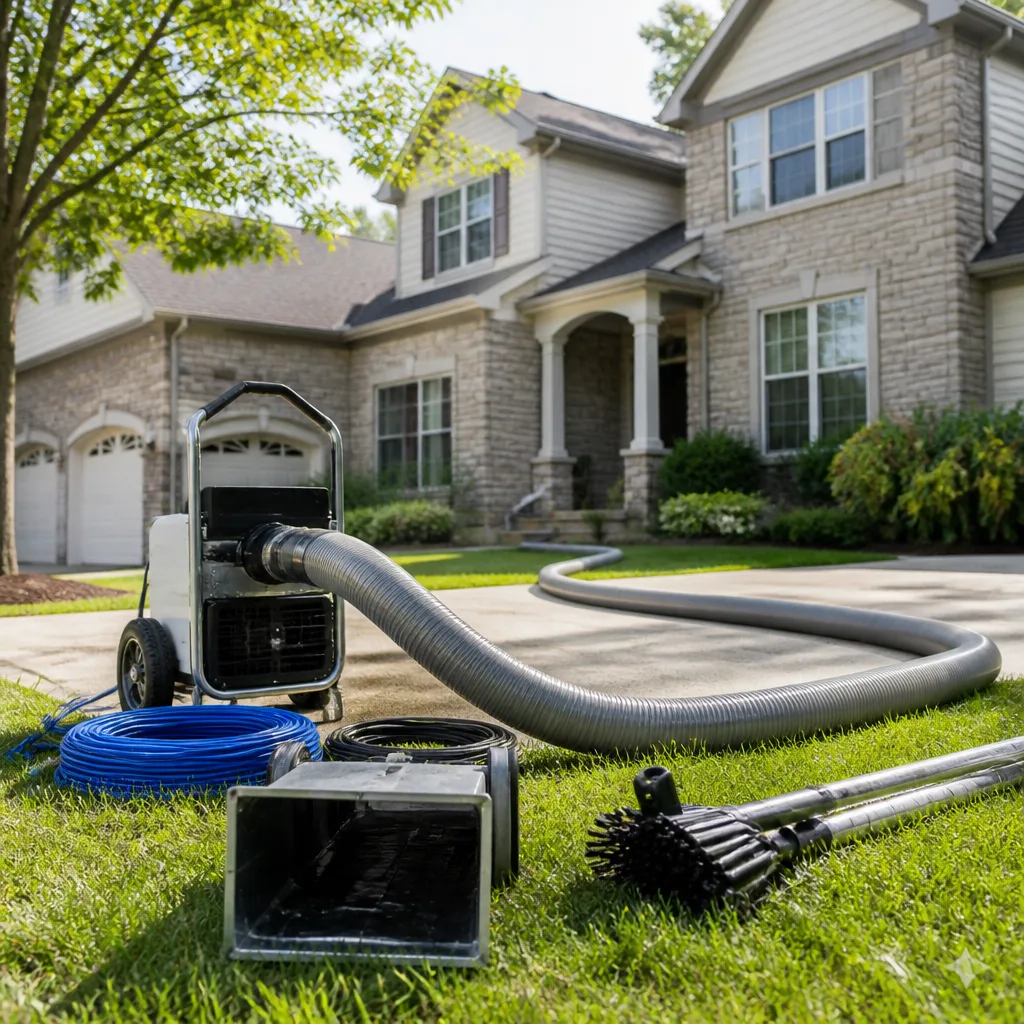
Rotobrush BrushBeast and Rotobrush Air Duct Cleaning Systems are rotary brush-and-vacuum platforms. A powered brush head spins inside the duct while a vacuum simultaneously extracts debris as it is agitated. This combination matters because debris inside ducts is often compacted, greasy, or adhered to the metal or flex duct surface. A vacuum alone, even a powerful one, pulls air through the center of the duct and leaves the wall deposits in place. The rotary brush physically breaks the bond between debris and duct surface, then the vacuum captures the loosened material at the point of agitation. This is the difference between cleaning a pipe and simply moving air through it. Rotobrush systems are common in commercial restoration and industrial duct maintenance, and they are what separates a mechanical cleaning from a surface-level service.
Nikro negative air machines serve a different function: containment. A negative air machine creates a pressure differential that draws air from the living space into the duct system and through a HEPA filter before exhaust. In practice, this means that when the technician opens an access point and agitates material inside the duct, the dislodged particulates do not drift back into the home’s rooms. They are pulled toward the vacuum intake. Nikro units are HEPA-rated, meaning the filter captures 99.97% of particles at 0.3 microns. That is the same filtration standard hospitals and restoration contractors use. In a South Gate home where the HVAC return is near the living area, this containment function is what prevents a duct cleaning from becoming a dust redistribution event.
Abatement Technologies HEPA units bring a remediation-grade standard to residential work. Abatement is a manufacturer most often associated with mold remediation, asbestos abatement, and hospital construction. Their negative air and containment equipment is designed to create a sealed environment where contaminated air cannot escape the work area. When a duct cleaning company runs Abatement Technologies equipment in a residential setting, the operational standard is meaningfully higher than what a budget service provides. Debris is captured, not recirculated.
These three names span the full mechanical sequence: agitation (Rotobrush), filtration and negative pressure (Nikro), and containment-grade air management (Abatement Technologies). A company that runs all three is operating at a level most duct cleaning services in South Gate never reach. Professional-grade equipment, residential pricing.
How to Verify Equipment Claims Before You Book
A company can write “HEPA filtration” or “commercial-grade equipment” on a website without consequence. Verification takes five minutes and requires you to ask one specific question: what is the model number of the vacuum unit you will use on my system?
Here is the verification process step by step:
- Ask for the specific model number of the vacuum and agitation equipment. A legitimate operator answers immediately: “We run a Rotobrush BrushBeast 2000 for agitation and a Nikro NIKRO III negative air machine for containment.” A budget operator says “we have professional equipment” and cannot name it.
- Search the model number on the manufacturer’s website. Confirm it exists and check the specified CFM (cubic feet per minute) airflow and filtration class. A serious duct cleaning vacuum moves at least 2,000 CFM. A portable shop-style vacuum moves 150 to 400 CFM. That airflow difference is the difference between extracting debris from a 35-foot duct run and merely pulling air through it.
- Confirm the filtration standard. HEPA is the threshold that matters. Standard bag filters capture larger debris but recirculate fine particulates. Ask: is the exhaust filtered through a HEPA-rated filter, and what is the filter’s efficiency rating? The answer reveals whether the company’s cleanup standard matches its marketing language.
- Ask who owns the equipment. Rented machines signal low-frequency operation. Owned machines signal that the operator runs this equipment daily and knows its quirks, limitations, and optimal settings. A technician who uses a machine once a month cannot match the consistency of one who uses it four times a week.
In South Gate, where housing stock includes both older stucco single-family homes and newer multi-family construction, duct lengths and configurations vary widely. A machine that works on a short, straight duct run in a 900-square-foot bungalow may struggle on a 60-foot run with multiple bends in a larger two-story home. CFM and filtration class are the two specs that determine whether the equipment can handle your specific system. Get the model number, look up the specs, and the company’s capability becomes visible even if you’ve never touched a vacuum hose in your life. Equipment you can verify by name.
What NADCA Certification Actually Means (And What It Doesn’t)
NADCA, the National Air Duct Cleaners Association, is the main industry body for duct cleaning standards in the United States. A NADCA membership or certification indicates that a company has access to standardized training materials and has agreed to follow the association’s best practices for duct system cleaning. That is genuinely valuable, and it filters out the worst operators: anyone who refuses to acknowledge NADCA standards is not someone you want on your property.
But NADCA membership does not guarantee any specific equipment platform. NADCA standards describe what must be accomplished: the entire HVAC system, including supply and return ducts, coils, blower, and drain pan, should be cleaned when service is performed. The standards specify that debris collection devices must be HEPA-filtered or exhausted outside the building. What the standards do not specify is which manufacturer’s machinery the technician must use to fulfill those requirements. A NADCA member can technically run a portable vacuum if the filter meets spec, and another NADCA member can run a full Rotobrush and Nikro platform. Both hold the same membership. The operational difference between them is enormous.
This is where North American practice diverges from the association’s baseline. NADCA sets the floor. Equipment capability sets the ceiling. When you evaluate a company in South Gate, treat NADCA affiliation as a starting point, not a conclusion. The additional questions that fill the gaps NADCA membership leaves open are: Do you clean the entire system or just the ducts? Do you use rotary brush agitation or vacuum alone? Is your exhaust HEPA-filtered? Do you contain the work area with negative air pressure? These questions reveal what the NADCA badge does not.
We repair ducts, not just clean them. That scope distinction matters in this conversation because a company that stops at NADCA baseline compliance sees duct cleaning as a standalone procedure. A company that also repairs ductwork sees the system as an integrated whole, where cleaning reveals leaks, disconnections, and airflow problems that a surface-level service never notices.
Equipment Ownership Versus Rental: Why It Predicts Job Quality
Some duct cleaning companies in the Los Angeles area do not own the equipment they use. They rent negative air machines and rotary brush systems from equipment suppliers on a per-job basis, returning the machinery after each residential job. This changes the economics and, more importantly, the technician’s relationship with the tools.
A technician who runs the same Rotobrush system daily develops a feel for what the machine is telling them. They hear the difference between a brush hitting fibrous buildup versus metal corrosion. They know how the vacuum responds when a duct run has a collapsed section or an obstruction. They recognize when the filter is loading and needs replacement before filtration efficiency drops. That knowledge is invisible in the booking call but shows up in the finished job. A rented machine, used by a technician who has run it twice, cannot produce that consistency. The machine functions, but the operator’s familiarity is shallow.
There is a second, more practical advantage to ownership: calibration and maintenance. Owned equipment is serviced, filters replaced on schedule, and motors inspected. Rental equipment is maintained by the rental company, but the technician has no investment in its long-term condition. If the HEPA filter has been through fifteen jobs without replacement, the filtration performance degrades, and no one on site knows it.
When you call a duct cleaning provider in South Gate, ask directly: “Do you own the equipment or rent it for each job?” The answer tends to be quick and unambiguous when the company owns its machinery. Hesitation or a vague answer indicates the opposite. Ownership is not a guarantee of quality on its own, but it correlates strongly with operator competence and consistency, and it is a free question that tells you more than most online marketing copy.
How to Read Online Reviews for Duct Cleaning Like a Technician
Online reviews for duct cleaning companies carry a specific problem: most customers cannot evaluate the technical quality of the work that was just performed. A homeowner sees the technician arrive, hears some noise in the walls for an hour, receives a bill, and then observes that the air smells slightly cleaner. They post five stars because the technician was polite and showed up on time. That review tells you nothing about whether the ducts were actually cleaned. So you need to read reviews for language that indicates a real technical job was done.
Specific language that indicates a legitimate technical job:
- Mentions of equipment names or types: “they ran a negative air machine” or “the vacuum was HEPA filtered” or “the brush went through every register.” These customers saw the machinery and can describe it.
- Mentions of before-and-after visual documentation: “they showed me photos of the duct walls before and after.” A company that documents the interior of the ducts gives the customer proof that mechanical agitation occurred, not just airflow.
- Mentions of specific debris findings: “they found drywall dust from the renovation” or “the dryer vent was packed with lint.” Technical findings indicate inspection occurred, not just vacuuming.
- Mentions of system scope: “they cleaned the coils and the blower too, not just the vents.” NADCA-compliant scope is broader than most customers expect, and reviewers who mention it are describing a thorough job.
- Mentions of repair recommendations: “they pointed out a disconnected duct in the attic and fixed it.” This indicates the company was looking at the system, not just passing a hose through it.
Language that indicates a surface-level service that left the customer satisfied but uninformed:
- “Nice guy, fast work.” Speed is not a quality metric in duct cleaning. A thorough job on a full residential system takes hours, not minutes.
- “The price was low and they got it done.” Low price in duct cleaning usually means vacuum-only, no agitation, no containment, and no system inspection.
- “Air feels fresher.” This is a sensation, not a measurement. A satisfied feeling does not confirm that the duct walls are clean.
- Reviews that mention only politeness and punctuality with no technical detail. These customers are evaluating the experience, not the outcome.
In South Gate, where many homes are mid-century construction with decades of accumulated dust in the duct system, a surface-level cleaning leaves material behind that a camera inspection would immediately reveal. Air duct cleaning done properly includes visual documentation of the duct interior before and after agitation. If a company does not offer this, ask why. If the answer is that no one has asked before, that is not a good sign.
What South Gate Homeowners Should Know About Their Ductwork
South Gate’s housing stock shapes the duct cleaning conversation in specific ways. The city was built out substantially in the middle of the twentieth century, and a large share of the single-family homes date from the 1940s through the 1960s. These homes have had decades for dust, lint, pet dander, and construction debris to accumulate inside the duct system. Many of them have also had multiple HVAC systems installed over the years, which means duct runs are not always original, not always sealed properly, and not always sized correctly for the equipment they serve.
The regional climate produces year-round HVAC use. South Gate sits in a warm inland zone of Los Angeles County, with hot summers and mild winters. Air conditioning runs heavily from June through October, and the duct system works continuously during this period. Any dust load inside the ducts gets drawn through the system under pressure during peak cooling season. The dryer vent, in particular, works hard in South Gate households: families do laundry year-round, and lint accumulation in dryer vents is a recognized residential fire hazard. We treat dryer vent cleaning as a fire-safety service, not an add-on, because a clogged dryer vent is precisely the kind of problem that stays invisible until it becomes serious.
Homes in the neighborhoods around South Gate Park and Hollydale tend to have accessible crawlspace or attic duct routing, which makes full-system cleaning feasible without cutting into drywall. Multi-family properties, which are common along Long Beach Boulevard and the commercial corridors, often have shared or stacked duct systems that complicate access and require scoping before pricing. If you own a rental property or manage units in the area, the condition of the duct system in each unit is worth evaluating independently, because usage patterns differ and so do the debris loads.
The point for a South Gate homeowner is simple: your ducts are not new, your climate keeps them working year-round, and the housing stock in this city means standard assumptions about duct condition may not apply. South Gate homes often benefit from a scope-and-assess approach before cleaning, rather than a blind quote over the phone.
The Exact Questions to Ask Before Booking
The difference between a good duct cleaning outcome and a waste of money is determined in a five-minute phone call, before the van ever arrives. Here are the questions to ask any duct cleaning company in South Gate, with notes on what the answers reveal:
- “What equipment do you use for agitation and extraction, and can you give me the model numbers?” A confident answer with specific manufacturer names and model numbers indicates a company that owns its machinery and knows its capabilities. A vague answer indicates the opposite.
- “Is your vacuum HEPA-filtered, and do you run negative air containment during the cleaning?” HEPA filtration and negative air pressure are the two mechanisms that prevent a cleaning from redistributing debris through the living space. Captured, not recirculated. If the answer is no or unclear, the company is not doing remediation-grade work.
- “Do you clean the entire HVAC system, including coils, blower, and drain pan, or just the ducts?” NADCA-compliant scope includes the full system. A company that only runs a vacuum through duct runs is leaving the air handler and coil untouched, which is where much of the biological and particulate load lives.
- “Do you do duct repair as well as cleaning?” A company that only cleans will discover leaks, disconnections, and airflow problems and then leave them, because repair is outside their scope. A company that offers air duct repair can address what the cleaning reveals, and the cleaning itself becomes a diagnostic event rather than an endpoint.
- “How do you document the work?” Before-and-after photos of the duct interior, taken with an inspection camera, are the minimum standard for verifying that cleaning actually occurred. If the company offers no visual documentation, there is no way to confirm the job was done beyond the technician’s word.
- “Do you own your equipment or rent it per job?” Ownership correlates with operator familiarity and consistent outcomes. Rented equipment is used by technicians who may run the machine rarely and have no investment in its maintenance.
Each of these questions is free to ask and takes a few seconds to answer if the company is legitimate. A company that gets defensive, vague, or dismissive is answering you clearly, too. The estimate is set by the written scope, not by the phone call, and no reputable operator in South Gate should hesitate to describe what they run and how they document the work.
Common Mistakes to Avoid
- Choosing by brand recognition alone. A franchise name tells you nothing about the equipment the local franchisee runs. South Gate has national-name duct cleaners running portable vacuums and local independents running contractor-grade Nikro and Rotobrush systems. The name on the van is not the selection criterion.
- Booking the cheapest quote without asking what it includes. Low-price duct cleaning is almost always vacuum-only, no agitation, no containment, no system inspection. In a mid-century South Gate home with decades of accumulated dust, that approach leaves the job half done, and you will not know because no photos were taken.
- Accepting “we have professional equipment” as an equipment description. Ask for model numbers. Look them up. The CFM and filtration specs tell you what the machine can physically accomplish, independent of any marketing language.
- Believing a five-star review that praises only politeness and speed. Duct cleaning quality is invisible to most customers. Look for review language that mentions equipment, documentation, or specific findings. Those reviews were written by customers who saw the technical details.
- Skipping duct repair when leaks are found. Clean ducts with disconnected seams still lose conditioned air into the attic or crawlspace. A company that offers air duct repair can close the loop that cleaning alone cannot.
- Treating the dryer vent as an afterthought. The dryer vent is part of the air pathway out of the home, and it is the one component where failure is a documented fire hazard, not just an efficiency nuisance. A duct cleaning scope that omits the dryer vent leaves the highest-risk component unaddressed.
- Assuming NADCA membership settles the question. NADCA sets the minimum standard. The specific equipment platform determines the ceiling. Ask the technical questions even of NADCA members, because membership does not standardize the machinery.
When to Call a Professional
Some situations call for trained intervention rather than attempted self-service. If you see visible dust puffing from the registers when the system turns on, that is airborne debris exiting the ducts under pressure, and it signals a significant accumulation inside the walls. If occupants experience respiratory irritation that improves when away from the home and worsens on return, the HVAC system is a likely suspect and a technical evaluation is warranted. If the dryer takes noticeably longer than it used to on a standard load, the vent is likely to be partially blocked, and lint blockage is a recognized fire hazard. If you have recently completed remodeling or construction that generated drywall dust, the duct system has almost certainly absorbed a portion of that material and should be inspected and cleaned. If you own a multi-family property in South Gate and cannot remember the last time any unit’s ducts were evaluated, that is a scope problem worth addressing systematically. Duct Cleaning South Gate offers free estimates in South Gate, call (855) 925-0879. We answer 24/7. Fast dispatch from 7am to 7pm, Sunday through Friday.
Frequently Asked Questions
Air duct cleaning in South Gate typically ranges from $350 to $750 for a full-system cleaning on a standard single-family home, depending on the number of returns, the system configuration, and the level of debris accumulation. Larger homes with multiple systems or severely contaminated ducts run higher. The written estimate sets the final price, and the scope should include the full air pathway: supply and return ducts, coils, blower, and drain pan. A quote that seems significantly lower usually excludes parts of the system or uses vacuum-only methods without mechanical agitation. Call (855) 925-0879 for an exact quote based on a walkthrough of your specific system.
The only reliable way to verify that cleaning occurred is visual documentation from inside the duct system, taken before and after the work with an inspection camera. Reputable companies provide this documentation as standard practice. Without before-and-after photos, you are relying on the technician’s word, and the interior of your ducts remains invisible to you. Ask about camera documentation before booking, and confirm that the company uses rotary brush agitation rather than vacuum-only methods, which leave adhered debris in place. If the company cannot or will not provide photographic proof, that is a reason to choose someone else.
HEPA filtration captures 99.97% of particles at 0.3 microns, which includes most fine dust, mold spores, and debris generated during cleaning. Standard filters capture larger particles but allow finer material to pass through and recirculate into the living space. A duct cleaning company that runs a HEPA-rated vacuum and negative air containment is preventing the cleaning process from redistributing debris through your South Gate home. This is the filtration standard used in hospitals and restoration work, and it is the single most important equipment specification to verify before booking.
For most South Gate homes, a professional duct cleaning every three to five years is appropriate, with shorter intervals for homes with pets, smokers, recent construction, or occupants with respiratory sensitivities. The driving factors are the amount of dust generated inside the home, the frequency of HVAC use, and the condition of the system. South Gate’s year-round HVAC load means dust moves through the system continuously, but a properly sealed and filtered system will stay cleaner longer. If you have not had the system inspected, the first cleaning establishes a baseline that helps determine your specific interval.
Cheap duct cleaning quotes almost always reflect a reduced scope and less capable equipment. Vacuum-only cleaning with a portable unit costs the operator almost nothing in equipment investment or time, and the price reflects that. What you do not receive is mechanical agitation to dislodge adhered debris, HEPA filtration to capture it, negative air containment to prevent redistribution, and photographic documentation. The job gets done in under an hour and most of the duct wall debris stays exactly where it was. In South Gate’s older housing stock, this is a meaningful problem because decades of accumulated material cannot be removed by a vacuum moving air through the center of the duct. Call (855) 925-0879 and ask about the equipment before you accept any quote.
Some duct cleaning companies include the dryer vent in their scope, and others treat it as a separate service. A thorough provider addresses both, because the dryer vent is part of the home’s exhaust air pathway and is the single highest-risk component for fire hazard. Lint accumulation in dryer vents is a leading cause of residential fires, and in South Gate households where laundry runs multiple times per week, the vent accumulates lint quickly. Treat dryer vent cleaning as a fire-safety service rather than a convenience, and ask whether the company inspects and clears the full vent run from dryer to exterior termination. Call (855) 925-0879 for a free estimate that covers the full air pathway.
The Bottom Line
Selecting an air duct cleaning company in South Gate is a technical decision disguised as a consumer decision. The variables that actually determine whether the job is done well are specific, verifiable, and mostly hidden from view: rotary brush agitation, HEPA filtration, negative air containment, equipment ownership, and documented inspection. None of these appear in a logo, an advertisement, or a five-star review praising punctuality. The path to a good outcome starts with asking the equipment questions, verifying the answers against manufacturer specifications, and choosing a company that operates with contractor-grade tools rather than marketing language. The name on the truck is the least predictive variable in the entire transaction.
Written by the team at Duct Cleaning South Gate, serving South Gate since 2013.
See the difference
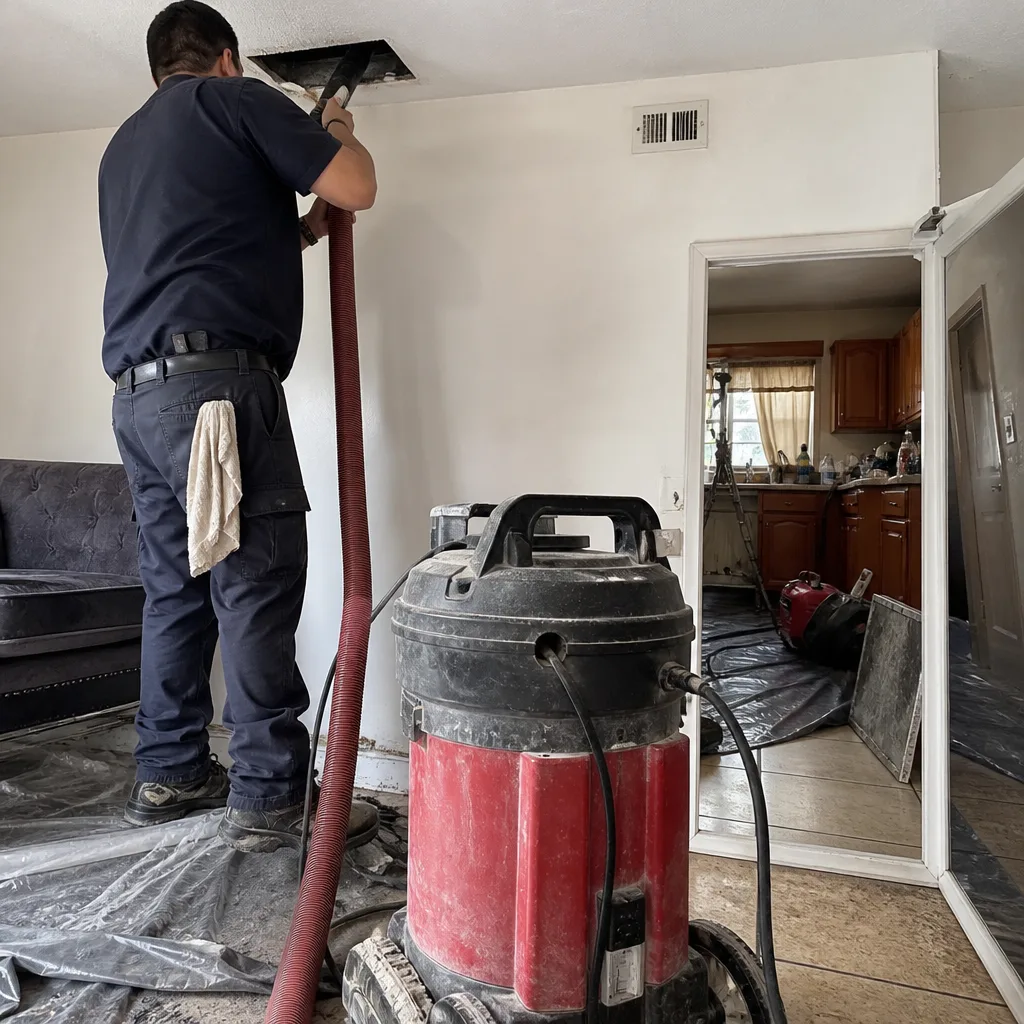 Before
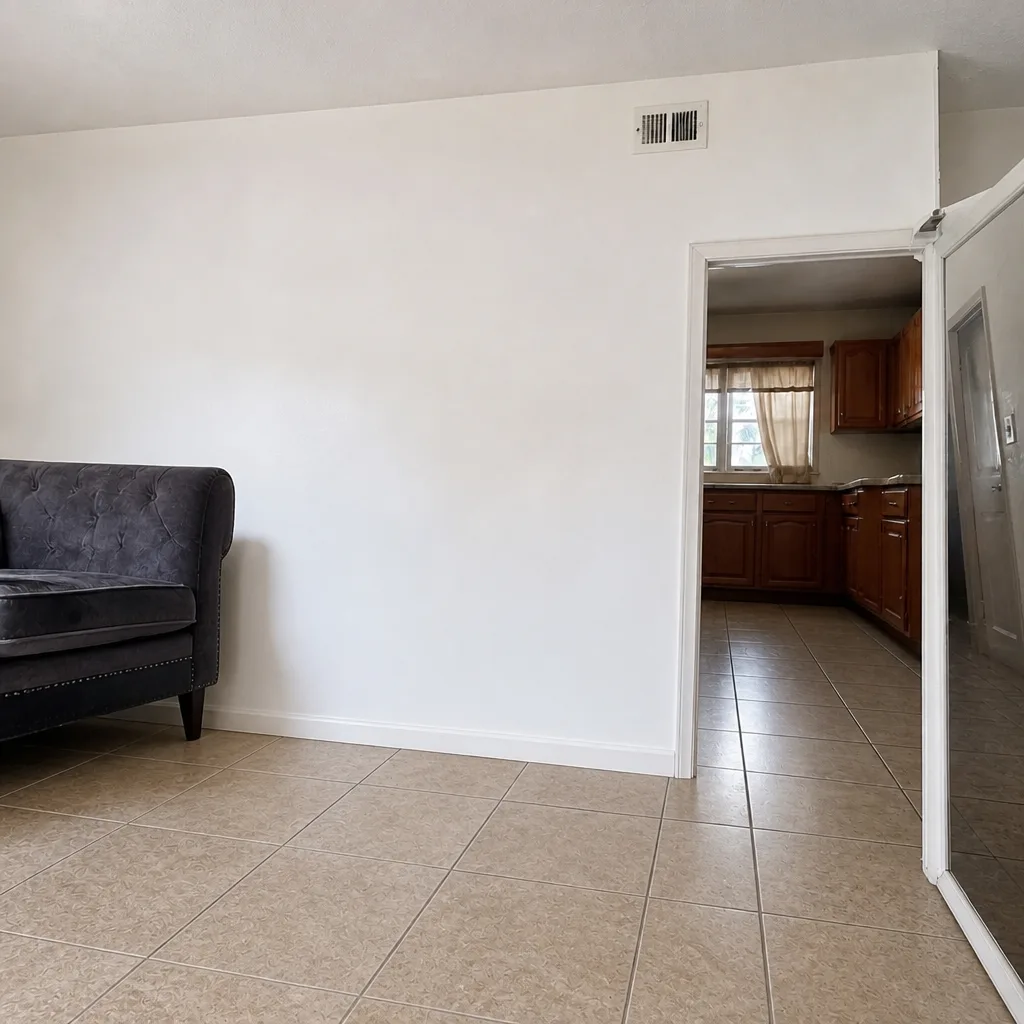 After
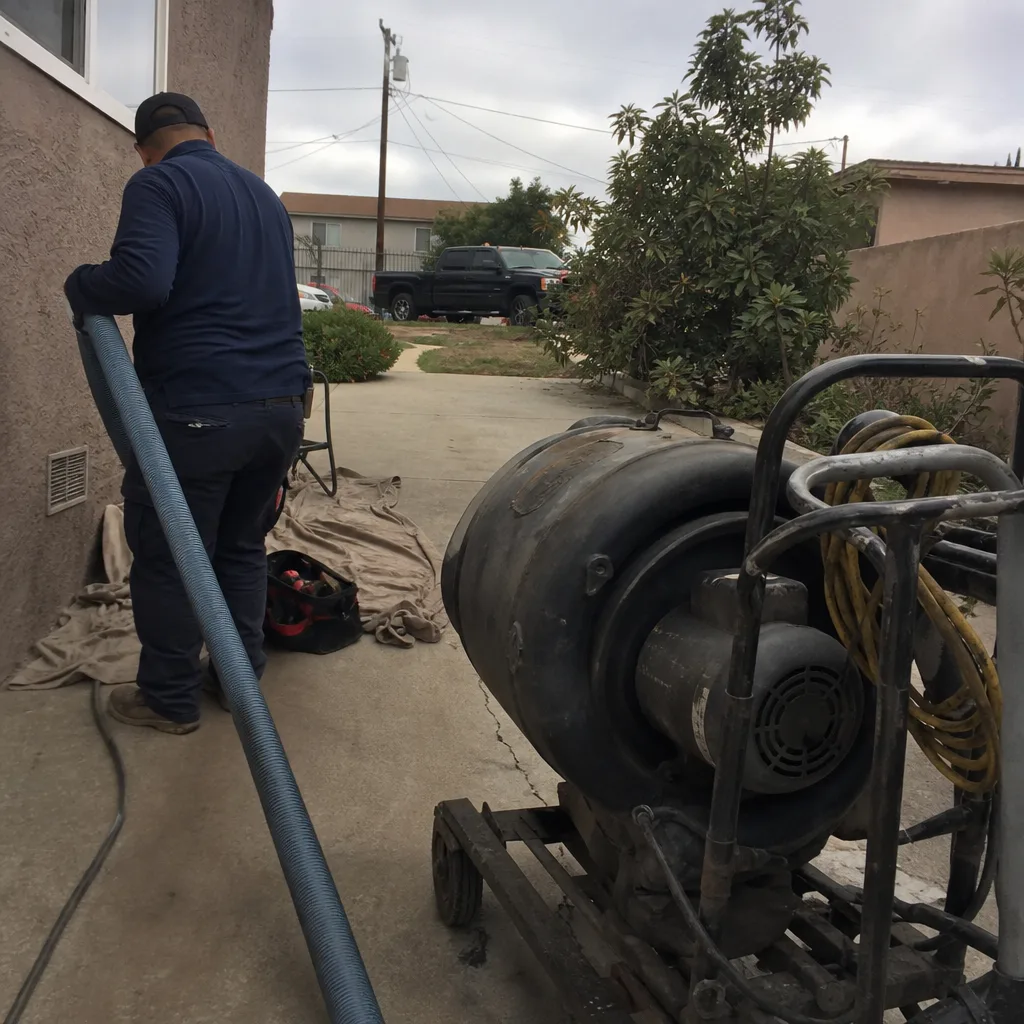 Before
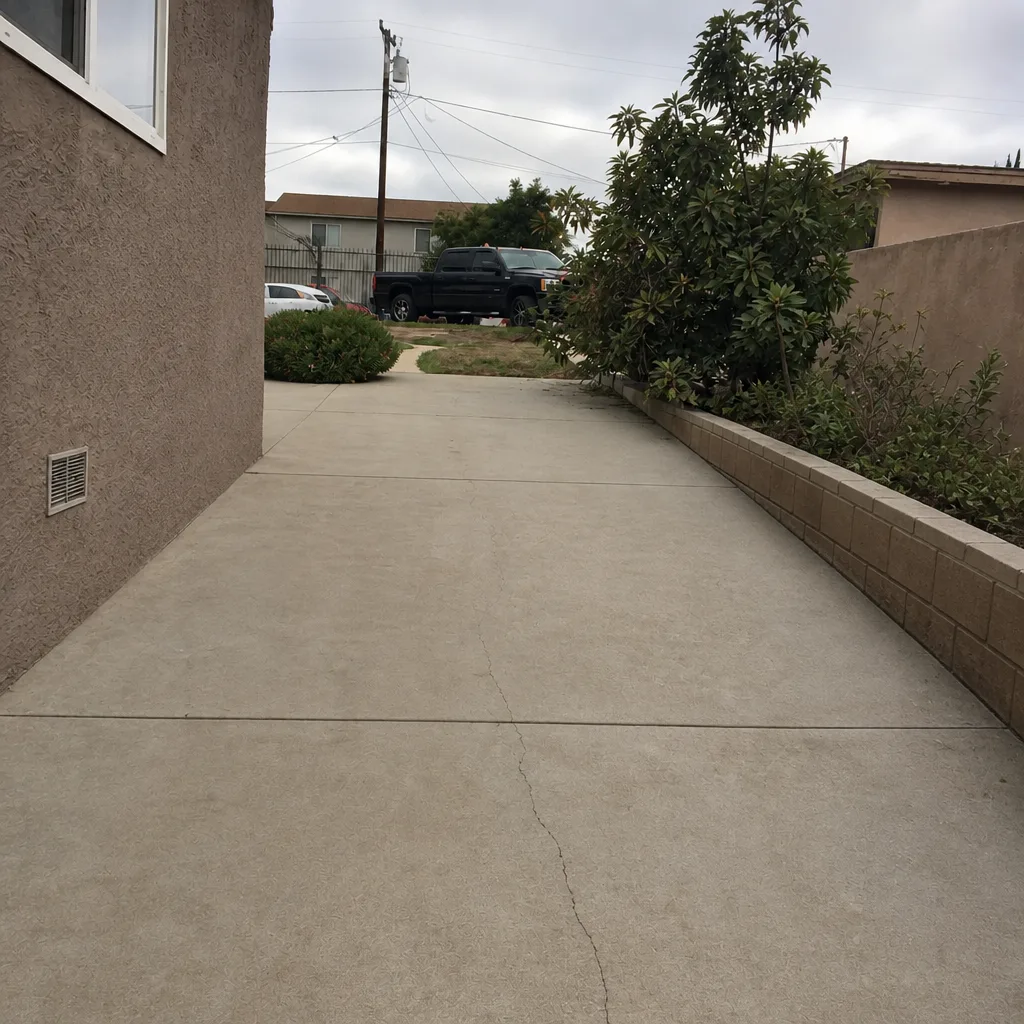 After
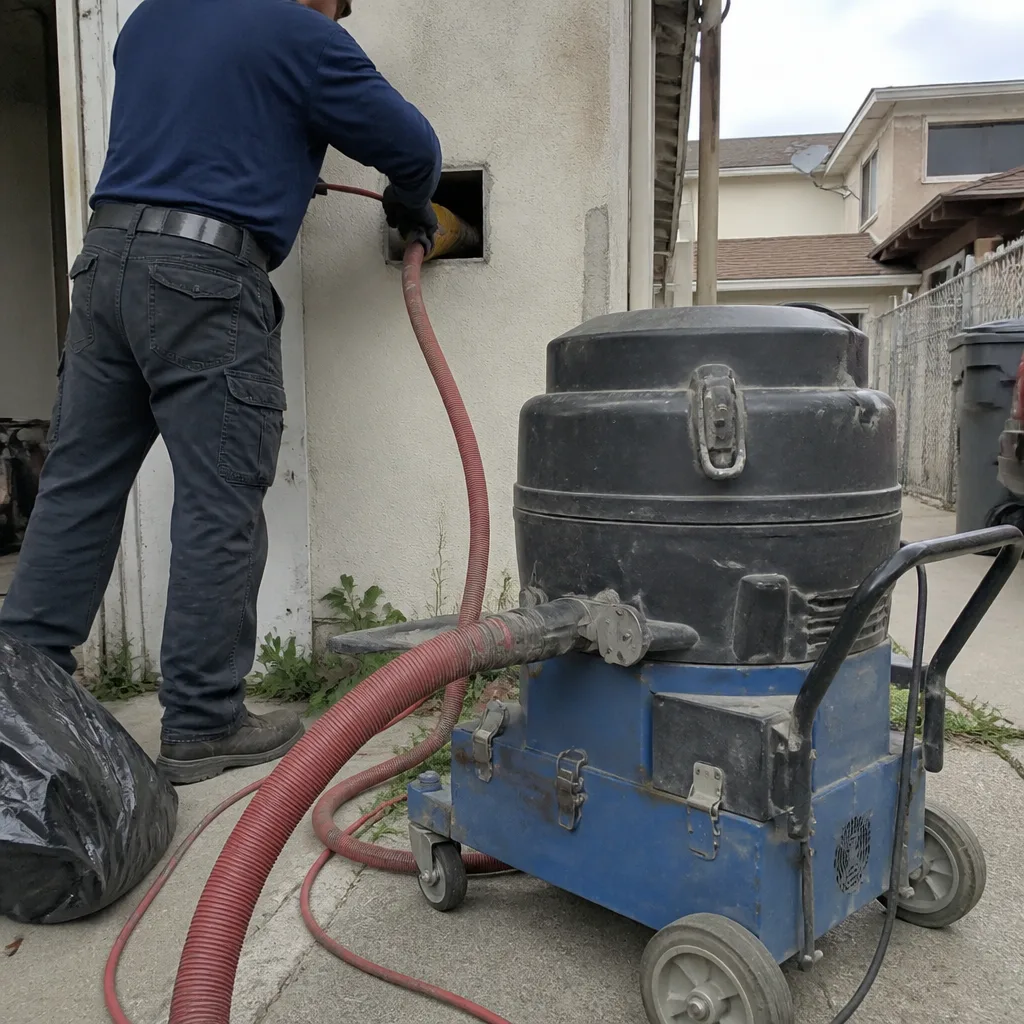 Before
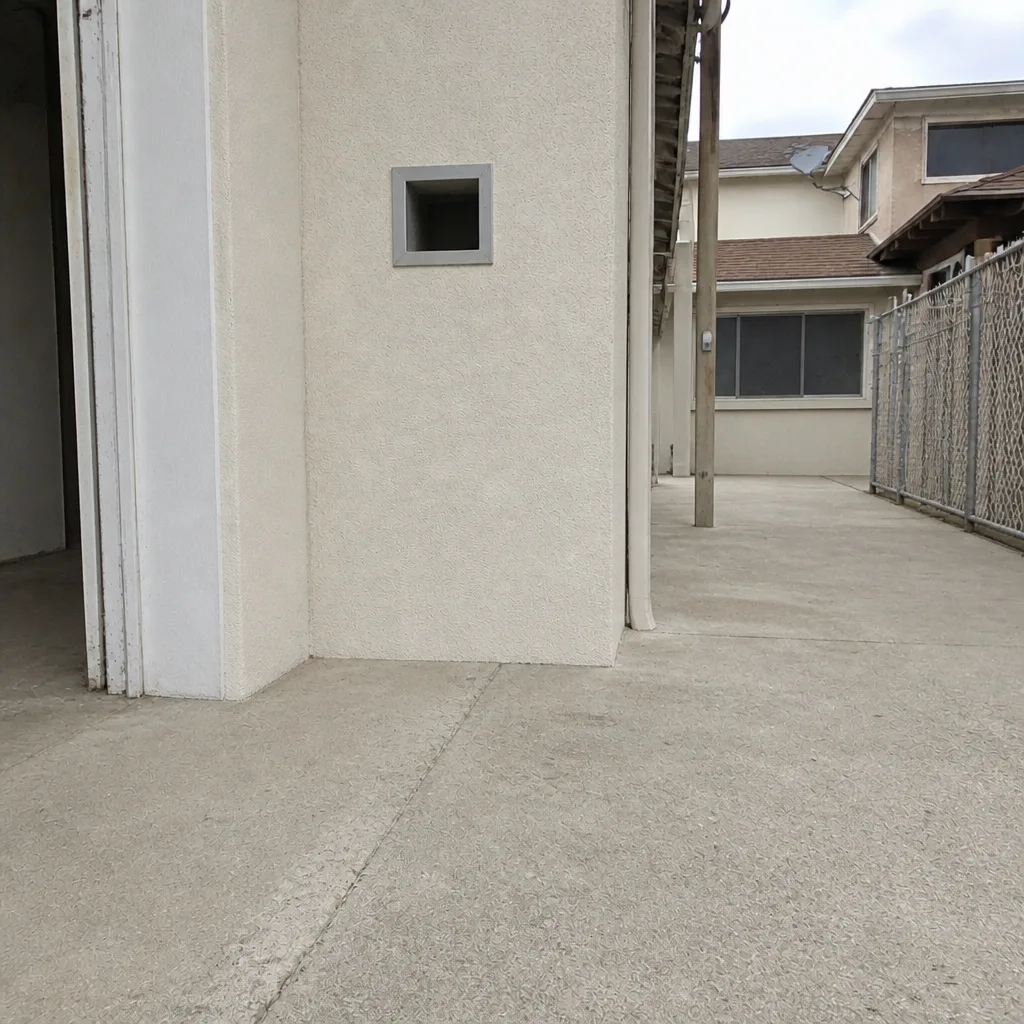 After