
Last updated November 4, 2026
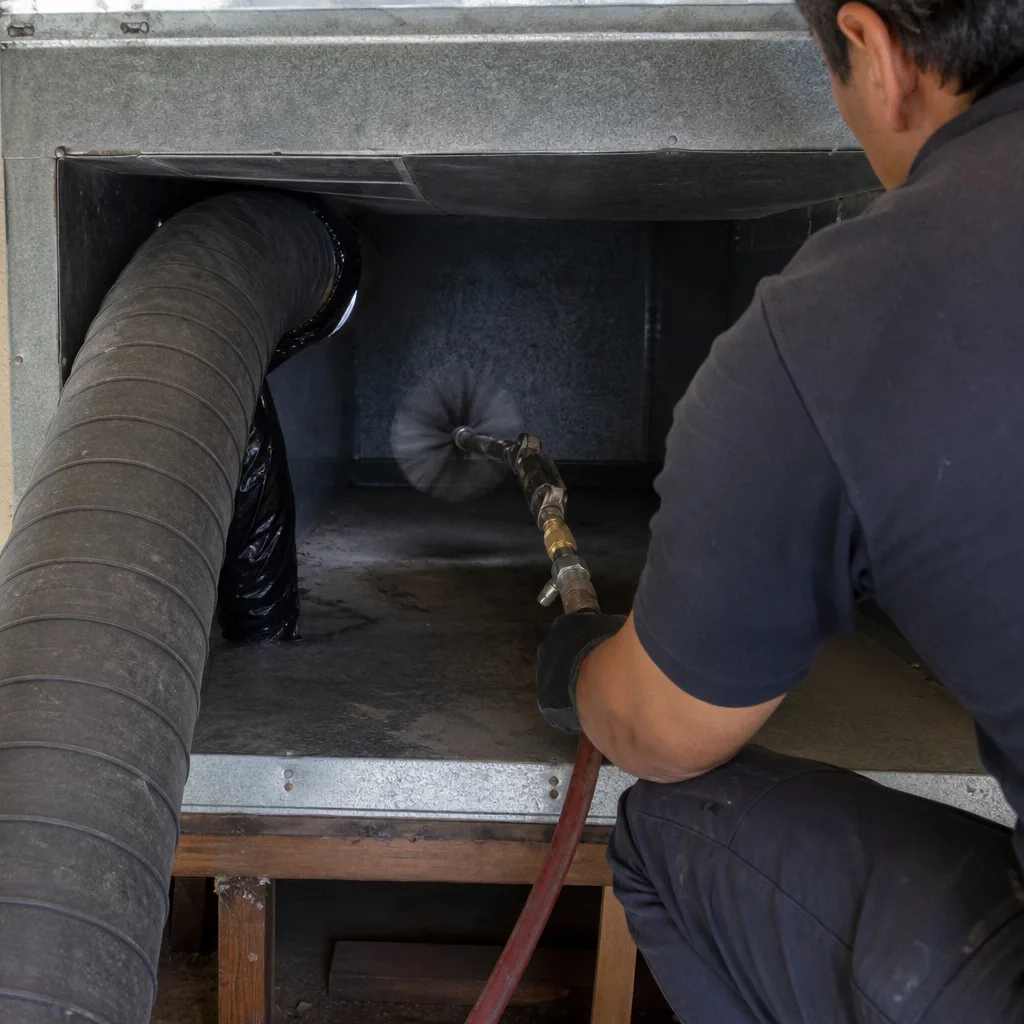
 Whole-home duct cleaning
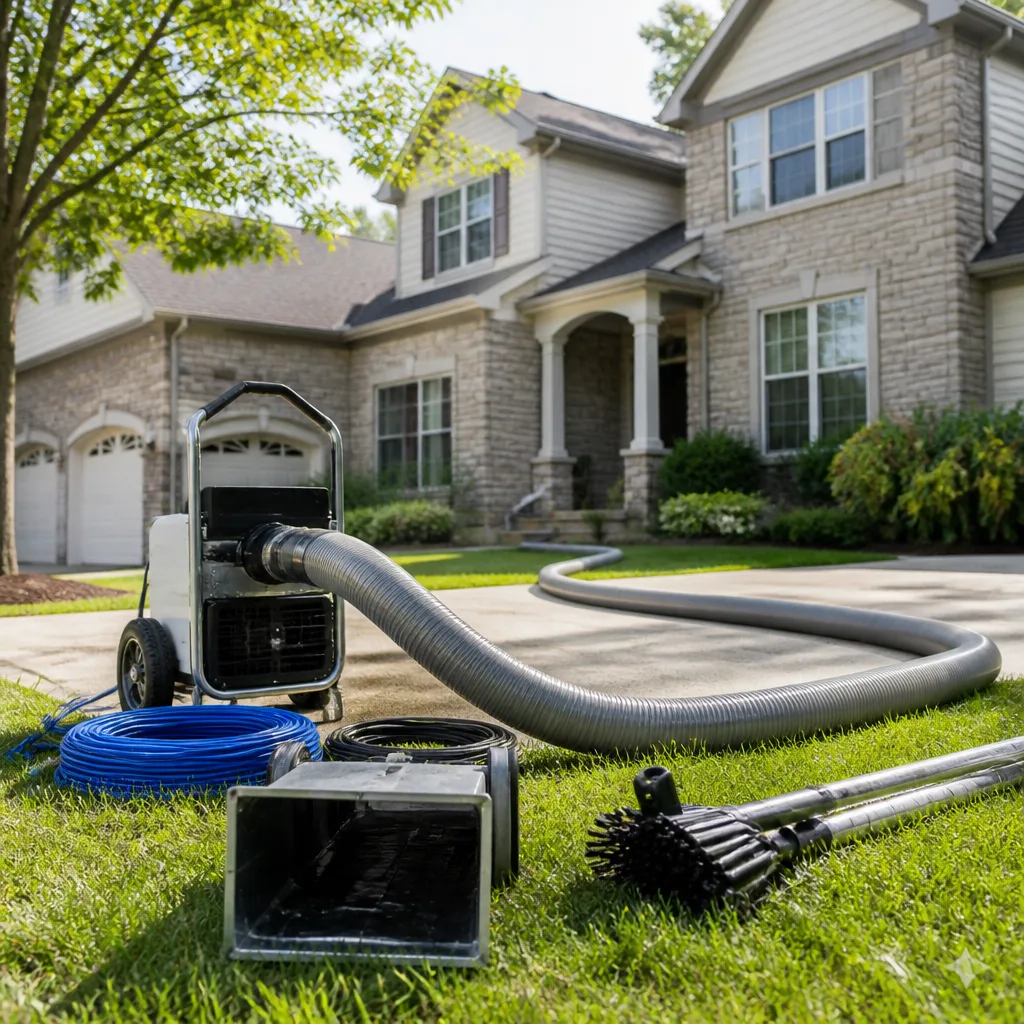
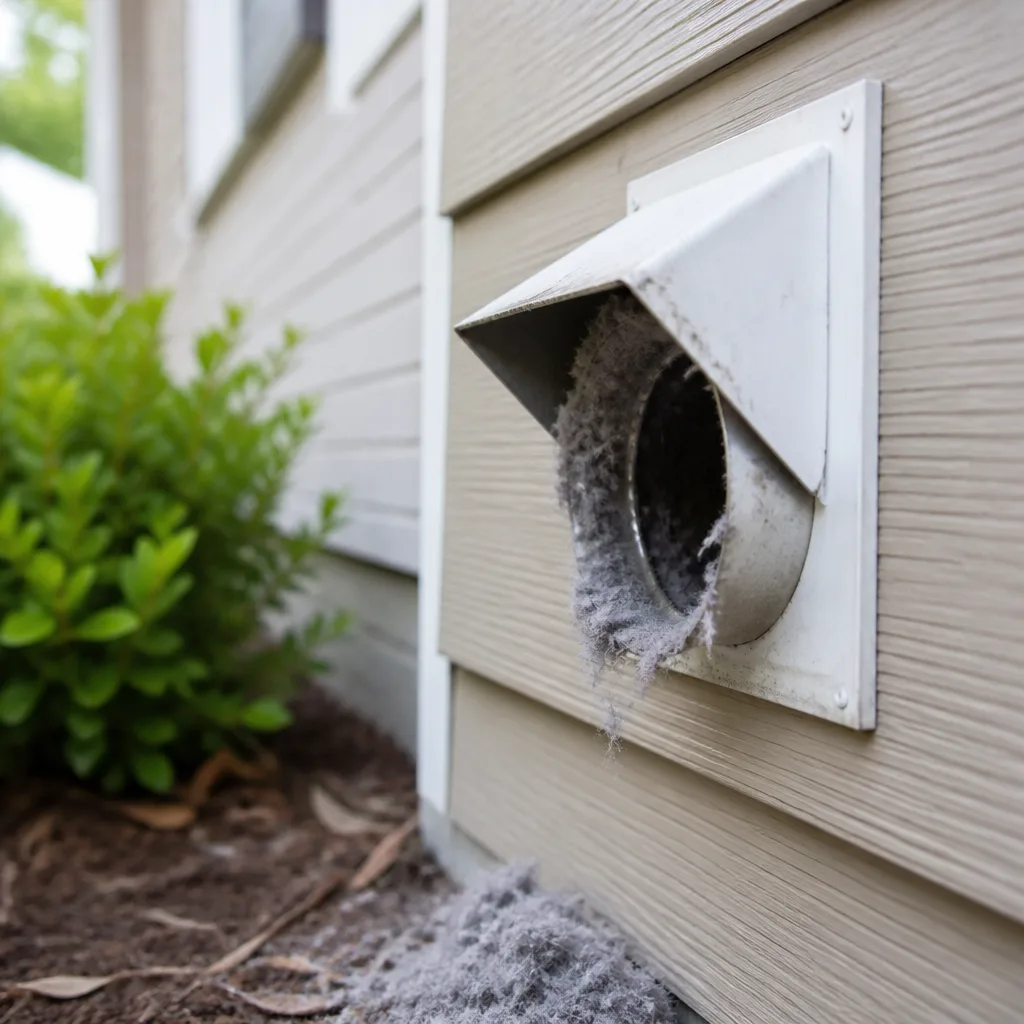 Dryer vent cleaning
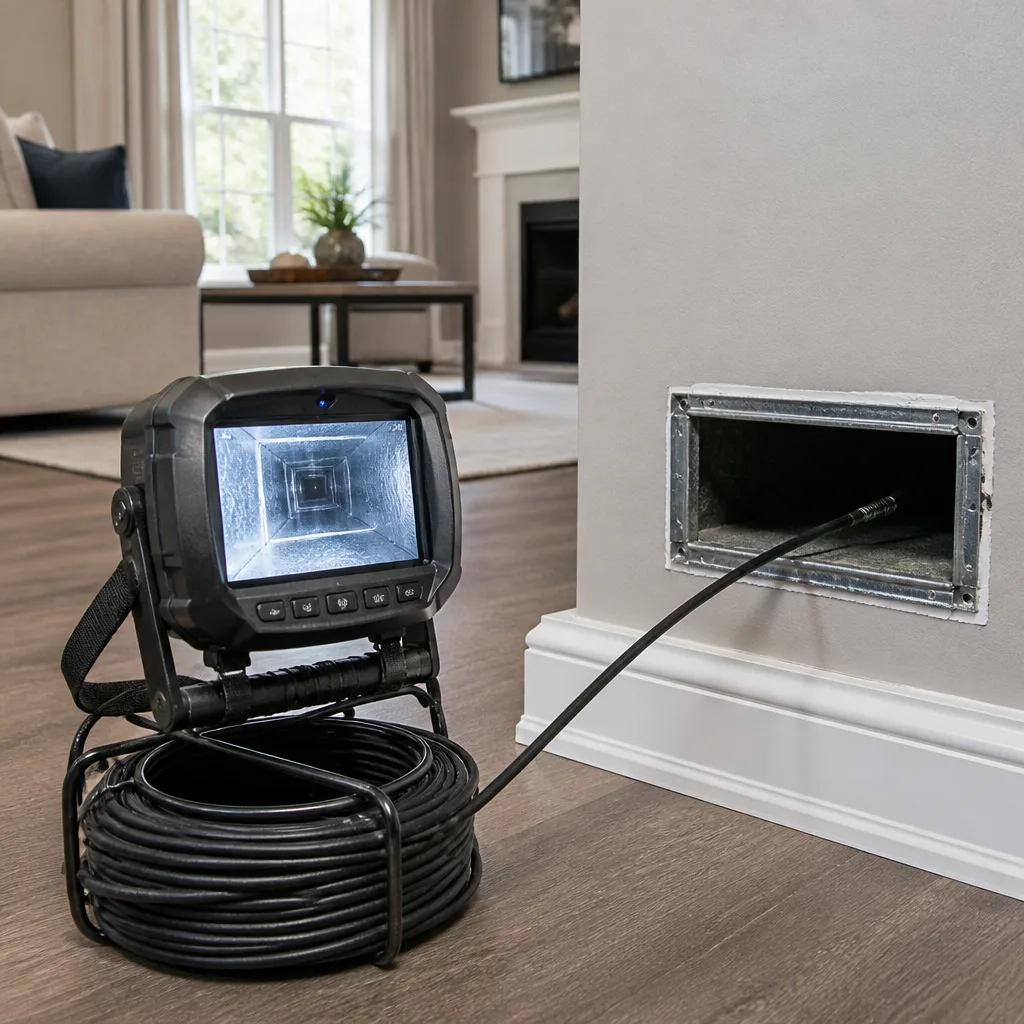 Camera inspection
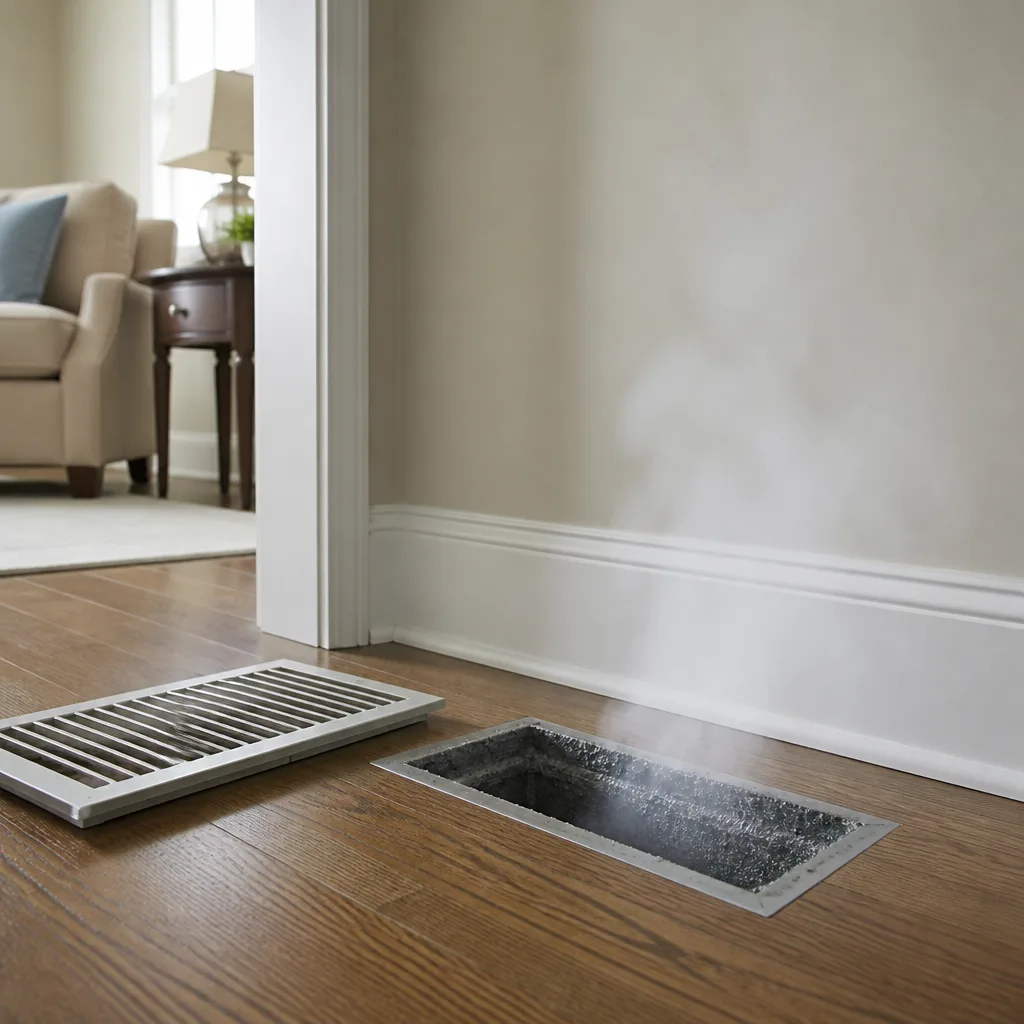 Sanitizing & deodorizing
Whole-system duct and dryer vent check with before-and-after photos - you see exactly what came out of your vents
That "$99 whole-house special" is a bait ad - the real number appears once they are in your hallway, or the "clean" is a shop-vac at the register. We photograph the inside of your ducts before and after instead.
DIY vs Professional Air Duct Cleaning: The South Gate Homeowner’s Decision Guide
Most homeowners assume a shop vac and a brush attachment can handle duct cleaning. That assumption holds for roughly the first eighteen inches of each branch run. Past that point, the geometry of the system changes, and what you’re actually doing shifts from cleaning to redistributing fine particulates into the air you breathe. South Gate homes, many built between the 1940s and 1970s, have duct systems with decades of accumulated dust, construction debris, and in some cases, materials that should never be disturbed by a consumer-grade machine. This guide draws the line between what a homeowner can safely and effectively do themselves, and where the mechanical requirements of the job make professional equipment the only rational choice.
Quick Answer
DIY is legitimate for exterior grille cleaning, register boot vacuuming, and return grille washing. Professional equipment is required for the main trunk line, plenum, and full return system because those zones require negative air pressure between 2,000 and 4,000 CFM to capture dislodged debris rather than push it into living spaces. The dividing line is mechanical: if you cannot maintain containment pressure while agitating the duct walls, you are not cleaning, you are redistributing. Homeowners in South Gate can handle about 11% of the contamination surface area themselves.
Styles & brands we work with
- Whole-home duct cleaning
- Dryer vent cleaning
- Camera inspection
- Sanitizing & deodorizing
Table of Contents
- The Mechanical Dividing Line: What DIY Can and Cannot Reach
- Where DIY Is Legitimate: The Three Zones You Can Actually Clean
- Why Consumer-Grade Negative Air Machines Fail
- The Asbestos and Mold Question in Older South Gate Housing
- The Cost of a DIY Mistake: Evaporator Coil Math
- What to Do Between Professional Cleanings
- Equipment You Can Verify by Name
- South Gate-Specific Factors That Change the Math
The Mechanical Dividing Line: What DIY Can and Cannot Reach
The average residential duct system in a South Gate home consists of several distinct zones. The exterior grille is what you see on the wall or ceiling. Behind it sits the register boot, a metal box that transitions into the branch run. Branch runs are typically 6-inch diameter flexible or rigid ducts that connect to the main trunk line. The trunk line is the large central duct, usually 12 to 20 inches wide, that runs the length of the attic or crawl space. At one end sits the plenum, the box that connects directly to the furnace or air handler. On the other side of the system is the return path, pulling air back through return grilles, return ducts, and into the return plenum.
A shop vac with a brush attachment can reach the first 18 to 24 inches of a branch run if you have a straight shot from the register opening. It cannot navigate the bends, transitions, and reductions that characterize most duct layouts. It certainly cannot reach the trunk line, which in a South Gate ranch house can run 30 to 50 feet through an attic with limited access. The trunk line is where the majority of accumulated debris settles, because air velocity drops as the duct cross-section expands. Dust that was moving through a 6-inch branch at 600 feet per minute slows to under 200 feet per minute in a 16-inch trunk. Everything heavier than air falls out of suspension and builds up on the trunk floor.
That buildup is the contamination surface you cannot address with consumer tools. It is not a question of effort or technique. It is a question of reach and pressure. No brush on a pole, no shop vac hose, no drill-powered whip gets to the trunk line. The geometry simply does not allow it.
Where DIY Is Legitimate: The Three Zones You Can Actually Clean
We want to be precise about this. There are three zones where homeowner maintenance is genuinely effective, and we recommend doing these between professional cleanings.
- The exterior grille. Remove the register cover and wash it in warm soapy water. This removes the film of dust and cooking grease that accumulates on the visible surface. A toothbrush works for the louvered edges. Dry thoroughly before reinstalling.
- The register boot. After removing the grille, you can vacuum the first several inches of the boot with a shop vac equipped with a HEPA filter. Use the flat crevice tool and work the corners where dust collects. This is effective to a depth of about 8 to 12 inches, depending on the boot configuration.
- The return grille. Return grilles accumulate more debris than supply grilles because they see unfiltered air. Remove the grille, wash it, and vacuum the return cavity as far back as you can reach. Check the filter slot while you’re there and replace the filter if it is loaded.
These three tasks are real maintenance. They extend the interval between professional cleanings and they give you visibility into what is accumulating in your system. What they do not do is clean the duct system. They address the entry and exit points, not the miles of pathway in between.
For South Gate homeowners, the frequency of these DIY tasks depends on household specifics. Homes with pets, smokers, or residents with respiratory conditions will see faster accumulation on grilles and boots. Homes near major arterials like Long Beach Boulevard or the 710 corridor accumulate fine road dust that settles on return grilles quickly. A quarterly grille cleaning is reasonable for most households. Monthly filter checks are non-negotiable.
Why Consumer-Grade Negative Air Machines Fail
The concept of negative air pressure is straightforward: you pull more air out of the system than you let back in, so air flows into the cleaning zone rather than out of it. Any debris dislodged by agitation gets carried into the vacuum stream and captured by a filter. The system works when the vacuum can maintain enough airflow to establish and hold that pressure differential.
Here is the problem. Consumer portable negative air machines, the ones marketed to homeowners for duct cleaning, typically move between 250 and 900 cubic feet per minute. A professional truck-mounted or trailer-mounted system moves 2,000 to 4,000 CFM. A typical residential duct system in a South Gate home has a total volume of 300 to 600 cubic feet. To maintain negative pressure across that volume while a brush is agitating the duct walls, you need to move the entire air volume of the system several times per minute.
A 900 CFM machine on a 500 cubic foot system is turning the air over less than twice per minute, and that is before accounting for leakage at connections, access points, and the branch openings throughout the house. When pressure drops below the containment threshold, the airflow reverses direction. Agitated particles that should be carried into the vacuum instead escape through register openings and into living spaces. The cleaning process becomes a distribution event.
Professional equipment solves this with sheer airflow volume. Our Rotobrush systems pair the brush-and-vacuum agitation with vacuum capable of holding negative pressure while working. Nikro HEPA-rated vacuum equipment captures particulates at the point of dislodgement. When the job requires containment-level pressure, Abatement Technologies negative air units, the same class used in mold remediation, establish the pressure differential that keeps debris flowing one direction: out of the duct and into the filter.
The Asbestos and Mold Question in Older South Gate Housing
South Gate’s housing stock skews older. A significant portion of the single-family homes in this city were built between the 1940s and the 1970s. That matters for duct cleaning because of two materials associated with that era: asbestos and mold.
Asbestos was used in some duct insulation, duct tape, and register boots in mid-century construction. It is not a problem when it is intact and undisturbed. It becomes a problem when agitation releases fibers into the air stream. A homeowner running a brush through a boot or branch line has no way to identify asbestos-containing materials, no way to test for them, and no way to contain fibers if they are disturbed. Professional duct cleaning companies in California are required to be aware of asbestos risk in older systems. If we encounter suspected asbestos-containing material during a cleaning, we stop and recommend testing before proceeding. That is not a sales tactic. That is a safety protocol.
Mold in duct systems is a related concern. South Gate’s climate, warm and dry most of the year, is not a high-humidity environment compared to coastal communities or the Southeast. But any duct system that has experienced a water intrusion event, a roof leak, a condensate drain failure, or a humidifier malfunction can support mold growth on accumulated dust. Mold that is growing on duct surfaces releases spores when disturbed. Vacuuming from the register opening pulls the visible surface material but does not address what is growing on the trunk line walls. Worse, a consumer vacuum without HEPA filtration disperses spores through the exhaust air.
The liability threshold is clear. If you suspect mold in your duct system, do not attempt to clean it yourself. Disturbing mold without containment can spread spores throughout the home and create a remediation problem that costs far more than the cleaning would have. The same is true for asbestos. These are not effectiveness questions. They are health and legal liability questions.
The Cost of a DIY Mistake: Evaporator Coil Math
Let us walk through the actual cost calculation of a DIY attempt gone wrong, because this is where the economics get real for South Gate homeowners.
The evaporator coil sits downstream of the blower in the air handler. Its job is to absorb heat from the air passing over it. The coil is a dense grid of aluminum fins, and those fins are wet during cooling season. That wet surface is a dust magnet. If the air flowing over the coil is carrying fine particulates, some of that material sticks to the wet fins and accumulates.
During normal operation, the air filter captures most airborne dust before it reaches the coil. During a DIY duct cleaning attempt that fails to maintain containment, the story changes. Agitated dust from the trunk line and branch runs becomes airborne. The blower, if running, pulls that dust straight through the system and deposits it on the evaporator coil. What was a distributed layer of dust inside the ducts becomes a concentrated layer of mud on the coil fins.
Evaporator coil cleaning costs between $200 and $600 for a straightforward accessible coil. Coil replacement, if the buildup has caused corrosion or the coil is in a difficult location, runs $1,500 to $3,500 or more depending on the system. These are the costs of correcting the mistake, and they are entirely avoidable.
Professional air duct cleaning with proper negative air pressure prevents this from happening. The debris is captured at the point of agitation and never enters the living space or the air handler. The economics are straightforward: a professional cleaning costs less than a coil replacement, and it delivers a clean system rather than a damaged one. The written estimate we provide sets the price before any work begins, so there is no surprise on the invoice.
What to Do Between Professional Cleanings
The honest answer to “how often should I have my ducts cleaned” depends on your household, but the National Air Duct Cleaners Association suggests every 3 to 5 years for most homes. That is a long interval, and it means the maintenance you do between cleanings matters.
Here is a practical maintenance schedule for South Gate homeowners that complements professional work rather than substituting for it.
- Monthly: Inspect and replace the HVAC filter as needed. A dirty filter is the leading cause of reduced airflow and increased dust accumulation in ducts. Write the installation date on the filter frame.
- Quarterly: Remove and wash supply and return grilles. Vacuum the register boots and return cavities as far as you can reach. Vacuum the area around the filter slot.
- Annually: Inspect the visible portions of your ductwork. In attics, look for disconnected joints, crushed flex lines, or signs of pest activity. In crawl spaces, check for water stains or moisture accumulation. These are signs that your duct system needs repair, not just cleaning.
- As needed: If you see dust accumulating on surfaces within days of cleaning, if rooms are noticeably warmer or cooler than others, or if you hear new rattling or airflow sounds, call for an inspection. These are symptoms of duct leakage or blockage.
The relationship between maintenance and professional cleaning is complementary. You maintain the accessible surfaces. We clean the system. Both are necessary. Neither replaces the other.
Equipment You Can Verify by Name
The difference between a professional duct cleaning and a budget service is not marketing. It is equipment. The tools used determine what can actually be accomplished inside the duct system.
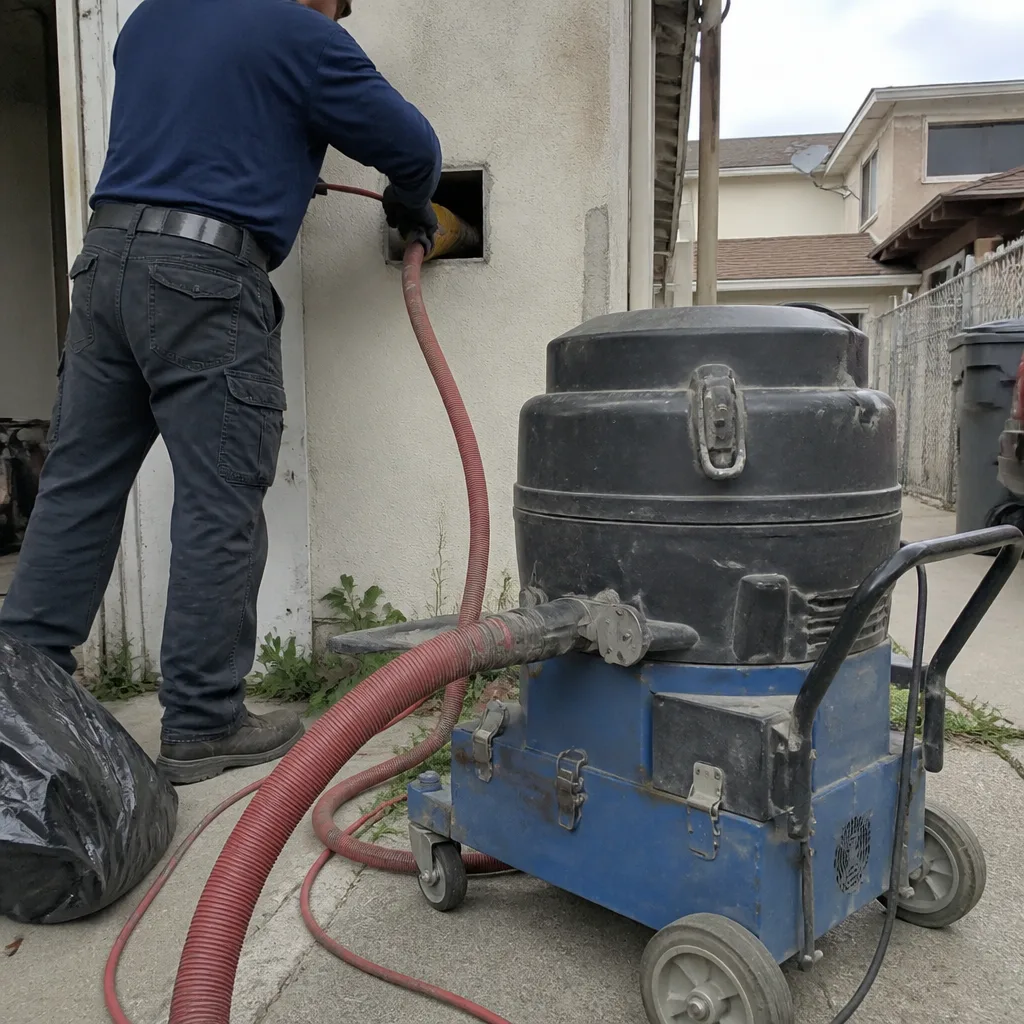
Duct Cleaning South Gate runs professional-grade Rotobrush rotary brush systems. These are not the drill-attached whip brushes sold at hardware stores. A Rotobrush system pairs a motorized brush head with integrated vacuum extraction, meaning the brush agitates the duct wall while the vacuum simultaneously pulls the dislodged material out of the air stream. The agitation and extraction happen at the same point, which is what makes the process a cleaning rather than a redistribution.
Nikro HEPA-rated vacuum equipment handles the filtration side. HEPA filtration captures 99.97% of particles at 0.3 microns. That is the standard required for lead abatement and asbestos work, and it is what separates professional-grade capture from shop vac filtration. A consumer shop vac with a standard filter exhausts particles in the 5 to 10 micron range back into the room. A HEPA-filtered professional system does not.
For jobs that require containment-level pressure, Abatement Technologies negative air units establish the pressure differential that keeps debris flowing one direction. This is the same class of equipment used in mold remediation and restoration work. The principle is simple: if the air pressure inside the duct is lower than the air pressure in the living space, air flows into the duct at every opening, and airborne particles cannot escape. That is what “captured, not recirculated” means in practice.
You should be able to ask any duct cleaning company what equipment they use and get a specific answer. If the answer is “commercial-grade” or “professional equipment” without a brand name, that is not an answer. Equipment you can verify by name is equipment you can research. The difference matters.
South Gate-Specific Factors That Change the Math
South Gate sits in the Los Angeles Basin, about seven miles south of downtown LA. The climate is warm and dry for most of the year, with summer temperatures routinely in the 80s and 90s. That means air conditioning season is long, and the system runs frequently. Higher runtime means more air passes through the ducts, which means more dust accumulation per year compared to a home in a cooler climate where the system runs only a few months annually.
Proximity to the 710 Freeway and the industrial corridor along the Los Angeles River brings fine particulate load. Diesel soot from truck traffic, brake dust, and industrial emissions settle out of the air and find their way into homes through open windows, door gaps, and the HVAC system itself. Homes in the southern and western portions of South Gate, closer to the freeway, tend to show heavier particulate accumulation in duct systems than homes in the residential core.
Attic temperatures in South Gate summer conditions reach 130 to 150 degrees. That heat bakes duct insulation and accelerates the breakdown of older flex duct, leading to pinhole leaks that pull attic dust and insulation particles into the air stream. It also means any work done in the attic, by professionals or by homeowners, is physically demanding during the warmer months. Professional crews often schedule attic work in the early morning.
Older South Gate homes often have duct systems that were installed decades ago and have never been opened. We find construction debris, drywall dust from renovations, pest droppings, and occasionally old toys or tools inside trunks that have been sealed since the house was built. These are not conditions that a register-level vacuum can address. They require opening the trunk, agitating the entire surface, and extracting the debris under negative pressure.
We also see homes where previous owners or tenants attempted DIY cleaning and left damage: disconnected boot connections from aggressive brushing, torn flex duct from improvised tools, register grilles that no longer seat properly. Dryer vent cleaning has a similar story, where homeowner attempts with leaf blowers or long poles have compacted lint into blockages rather than removing it. Duct repair is a recognized part of our service scope for a reason. We repair ducts, not just clean them.
Common Mistakes to Avoid
- Using a leaf blower on the registers. This pushes debris from the branch lines into the trunk and living spaces. You are not removing contamination, you are relocating it at high velocity. The airflow also blows debris into the blower motor and evaporator coil.
- Assuming a visible grille means a clean system. The grille is the entry point, not the system. A clean grille with dust visible on the inside of the register boot is a system that needs attention, not a photo opportunity.
- Running the HVAC blower during DIY cleaning attempts. Running the blower while agitating dust inside the ducts pulls dislodged particulate directly into the evaporator coil. Turn the system off at the thermostat and the breaker before any DIY work.
- Ignoring the return side of the system. Most DIY attention goes to supply registers because that is where dust is visible. The return side carries just as much air, and return ducts often have more accumulated debris because they see unfiltered air.
- Using duct cleaning as a substitute for leak repair. A duct system with disconnected joints or torn flex will be dirty again within months of any cleaning. If your home has rooms that never reach temperature or dust that reappears quickly, the problem is leakage, and cleaning is treating a symptom.
- Hiring a company without asking about equipment. Budget duct services often use portable equipment that cannot maintain negative pressure across a full system. Ask for brand names. A professional in South Gate should be able to tell you exactly what machines they run.
- Skipping the dryer vent. The dryer vent is a separate airway from the HVAC ducts, and it accumulates lint rather than dust. It is also a documented fire hazard. A homeowner who cleans their HVAC registers but ignores a clogged dryer vent is addressing comfort while ignoring safety.
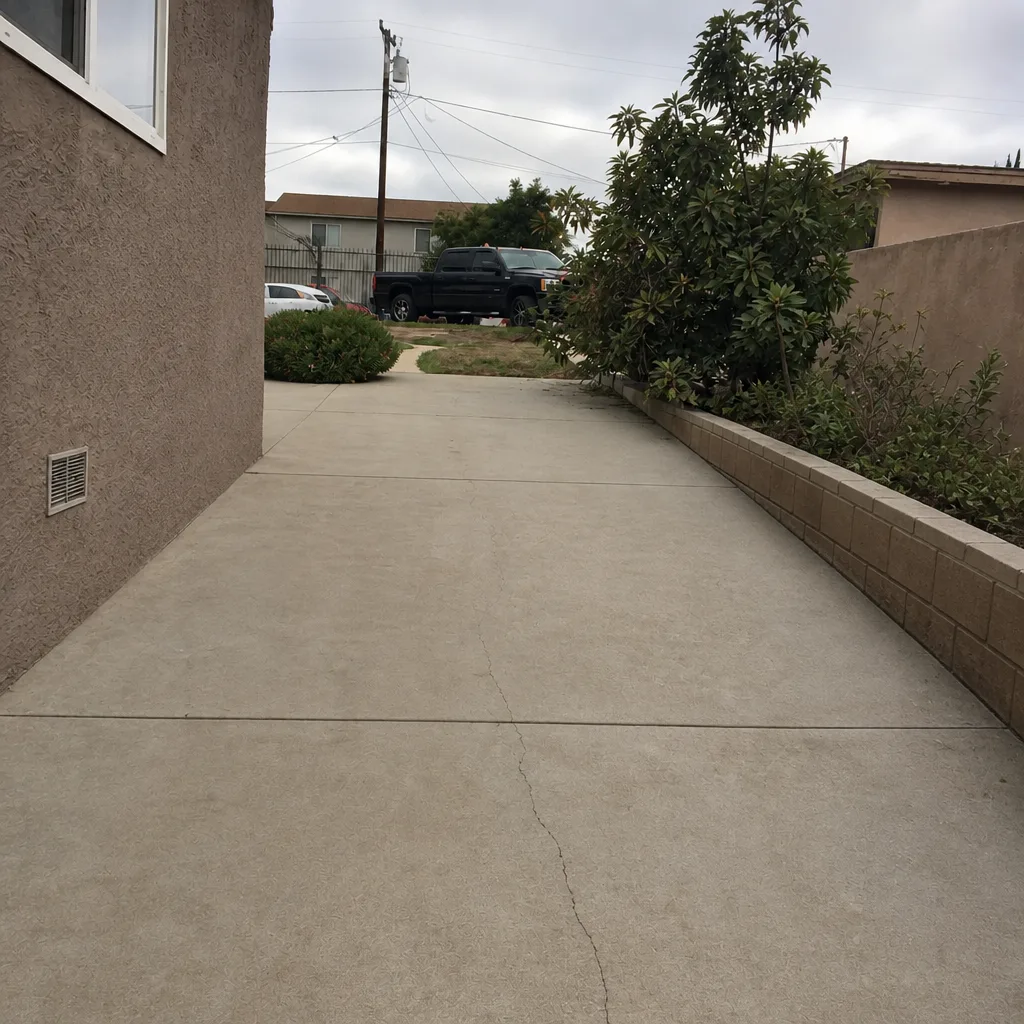
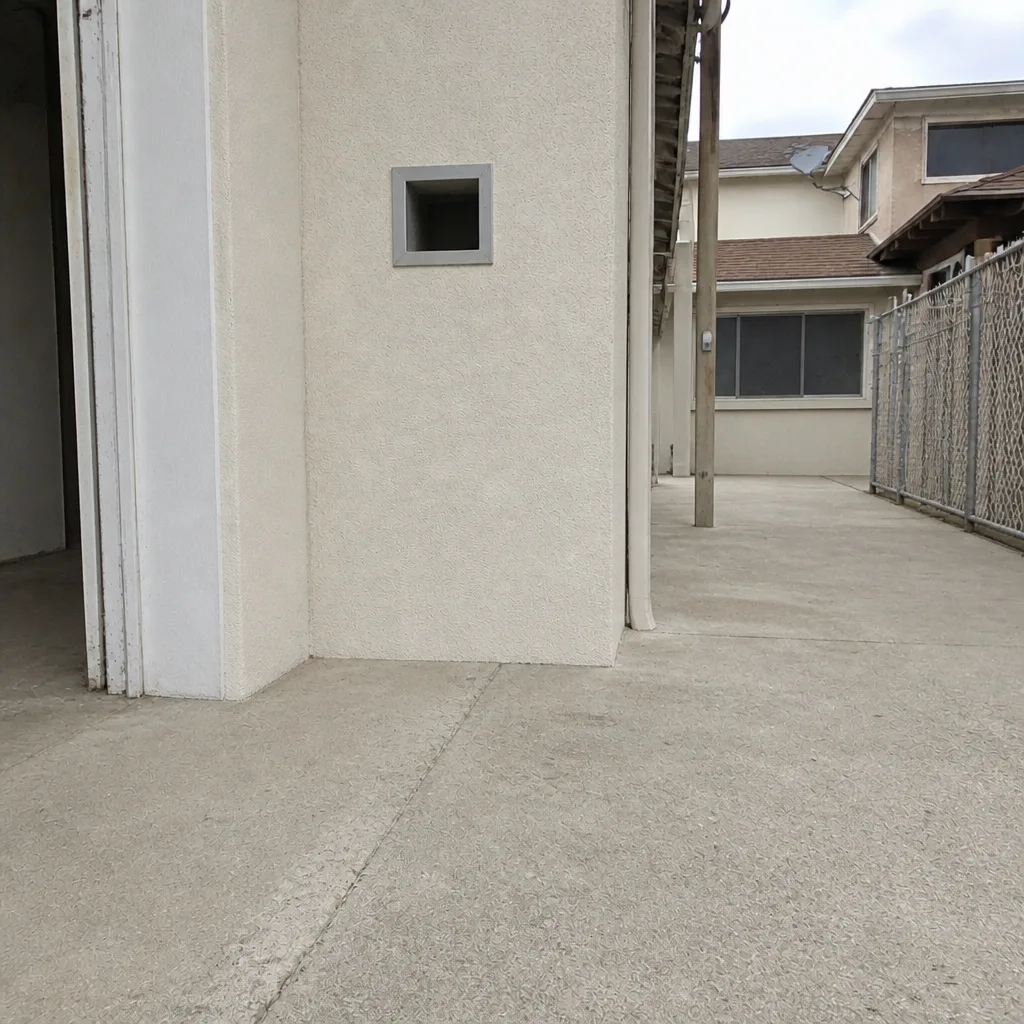
See the difference
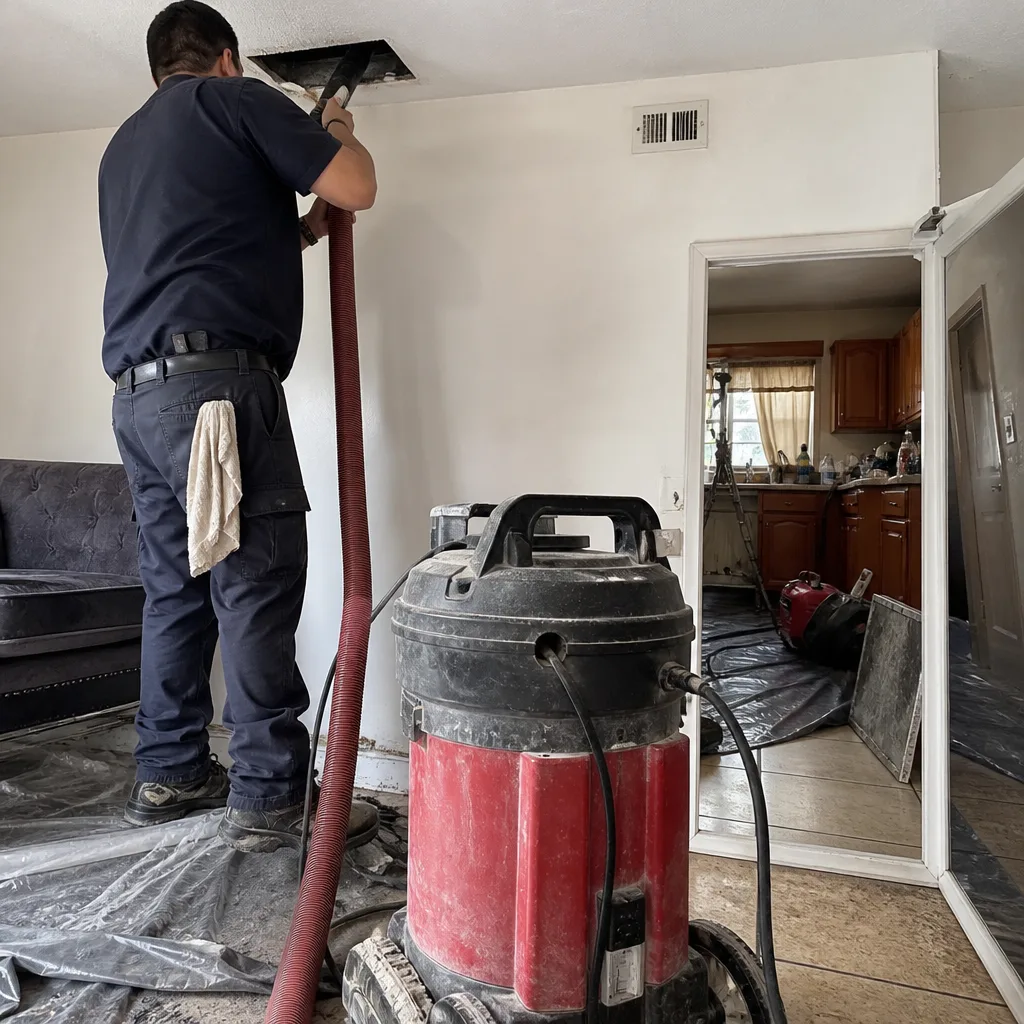 Before
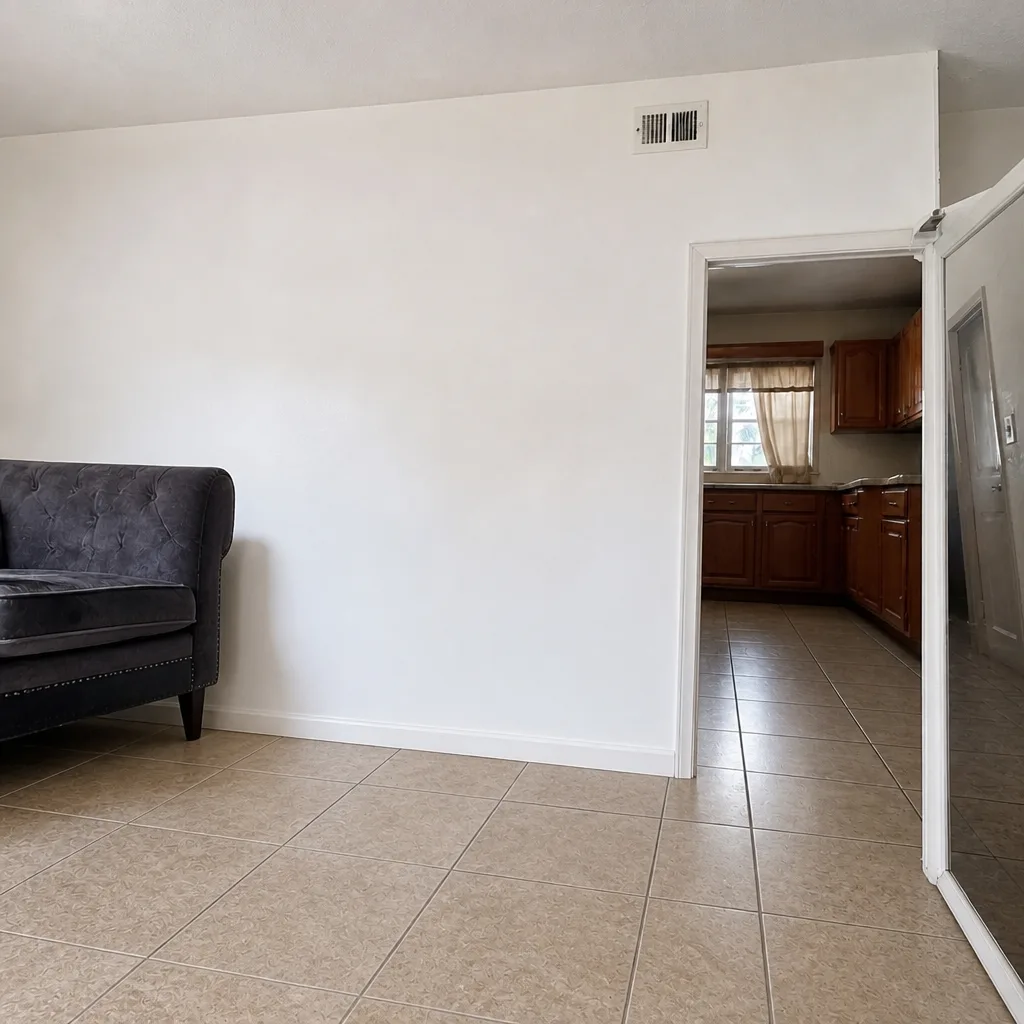 After
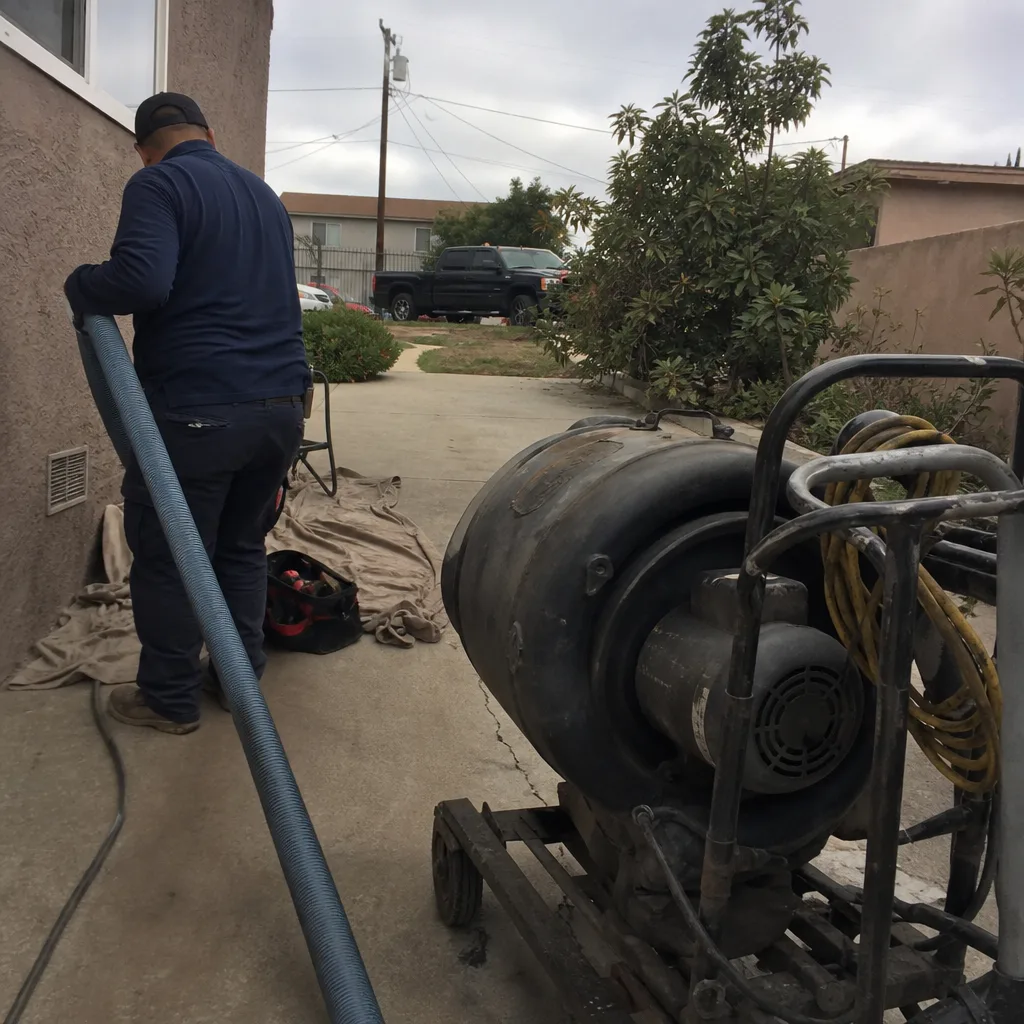 Before
 After
 Before
 After
When to Call a Professional
Call a professional if you can see dust accumulation inside the register boot beyond the first few inches, if your home has not had a duct cleaning in five years or more, if you live in a pre-1980 South Gate home with potential asbestos-containing materials, or if you suspect mold anywhere in the system. Call if your dryer takes longer than one cycle to dry clothes, if the dryer feels hot to the touch, or if the exterior vent flap does not open during operation. These are not incremental issues. They are signs that a system-level problem exists and register-level efforts will not address it.
Duct Cleaning South Gate offers free estimates in South Gate. Call (855) 925-0879. We answer 24/7. Fast dispatch from 7am to 7pm, Sunday through Friday. The written estimate sets the price before work begins, so you know exactly what the job costs.
Frequently Asked Questions
You can clean the register grilles, boots, and return cavities to a depth of about 12 to 18 inches with a shop vac equipped with a HEPA filter. You cannot clean the branch runs, trunk line, or plenum, which is where the majority of accumulated contamination sits. Those zones require professional equipment that can maintain negative air pressure while agitating the duct walls. Without that pressure, the cleaning attempt redistributes fine dust into the living space. Call (855) 925-0879 for a free estimate on the system-level work.
Professional air duct cleaning in South Gate typically runs between $400 and $800 for a whole-system cleaning of a standard single-family home, depending on the number of returns, system size, and accessibility. Homes with multiple systems, crawl space access, or heavy contamination run higher but the written estimate sets the price before work begins, so there is no surprise on the invoice. The cost should reflect professional-grade equipment, not just labor hours. Call (855) 925-0879 and we answer 24/7 to schedule an estimate.
Cheaper quotes typically come from companies using portable equipment that cannot maintain negative air pressure across a full duct system. They clean the accessible register areas and claim the rest, or they quote a low teaser price and inflate the invoice once on site. The difference is equipment: Rotobrush rotary brush-and-vacuum systems, Nikro HEPA filtration, and Abatement Technologies negative air units cost real money to buy and operate, and the results they produce are mechanically different. Equipment you can verify by name is equipment you can hold a company accountable to.
Ask for before-and-after photos of the interior of the trunk line and branch runs. A legitimate air duct cleaning company can provide these without hesitation. The photos should show the same duct surfaces before agitation and after extraction, with visible difference in the contamination level. If a company cannot or will not provide photographic proof, that is a red flag. You should also inspect the register boots yourself after the work and ask questions about anything that looks untouched.
Most South Gate homes benefit from professional duct cleaning every 3 to 5 years. The interval shortens with pets, smokers, recent renovation, or proximity to the 710 Freeway corridor, where fine particulate load is higher. The honest signal that it is time is not a calendar; it is visual inspection of the register boots and return cavities. If you see significant dust accumulation beyond the first few inches, the system is due. Between cleanings, maintain the grilles, boots, and filters as described in this guide.
No. Mold growing on duct surfaces requires professional assessment and remediation-level cleaning with containment equipment. Disturbing mold with a consumer vacuum, even one with a HEPA filter, spreads spores into the living space and creates a larger remediation problem. South Gate’s warm, dry climate makes mold less common than in humid regions, but any water intrusion event, roof leak, or condensate failure can create conditions for growth. If you see visible mold, which appears as discolored patches on duct surfaces, or smell a persistent musty odor from the registers, do not attempt to clean it yourself. Call (855) 925-0879. We answer 24/7, and an estimate is free.
The Bottom Line
The line between DIY and professional duct cleaning is not arbitrary. It is drawn by the physical limits of consumer equipment. Homeowners can maintain register grilles, register boots, and return cavities. They cannot reach the main trunk, plenum, or full return system, where most contamination accumulates, and they cannot maintain the negative air pressure required to capture dislodged debris rather than redistribute it. Attempting system-level cleaning with shop vacs and brush kits pushes fine particulates into living spaces and onto evaporator coils, creating problems that cost more than the professional cleaning would have. South Gate homeowners who want verifiable results should ask any duct cleaning company what equipment they run and expect a brand name in response. Professional-grade equipment, residential pricing. That is the standard. Call (855) 925-0879 for a free estimate. We answer 24/7. Fast dispatch from 7am to 7pm, Sunday through Friday.
Written by the team at Duct Cleaning South Gate, serving South Gate since 2013.