
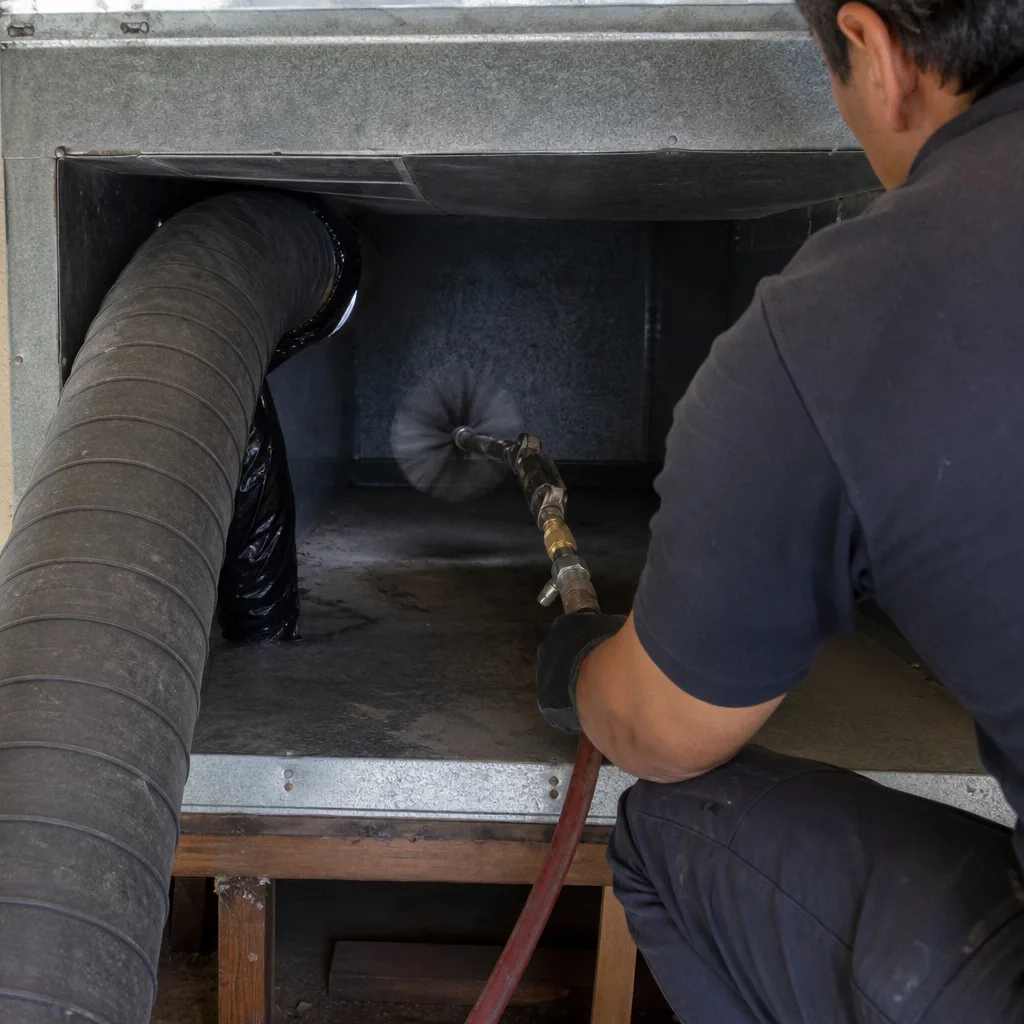
Last updated November 4, 2026
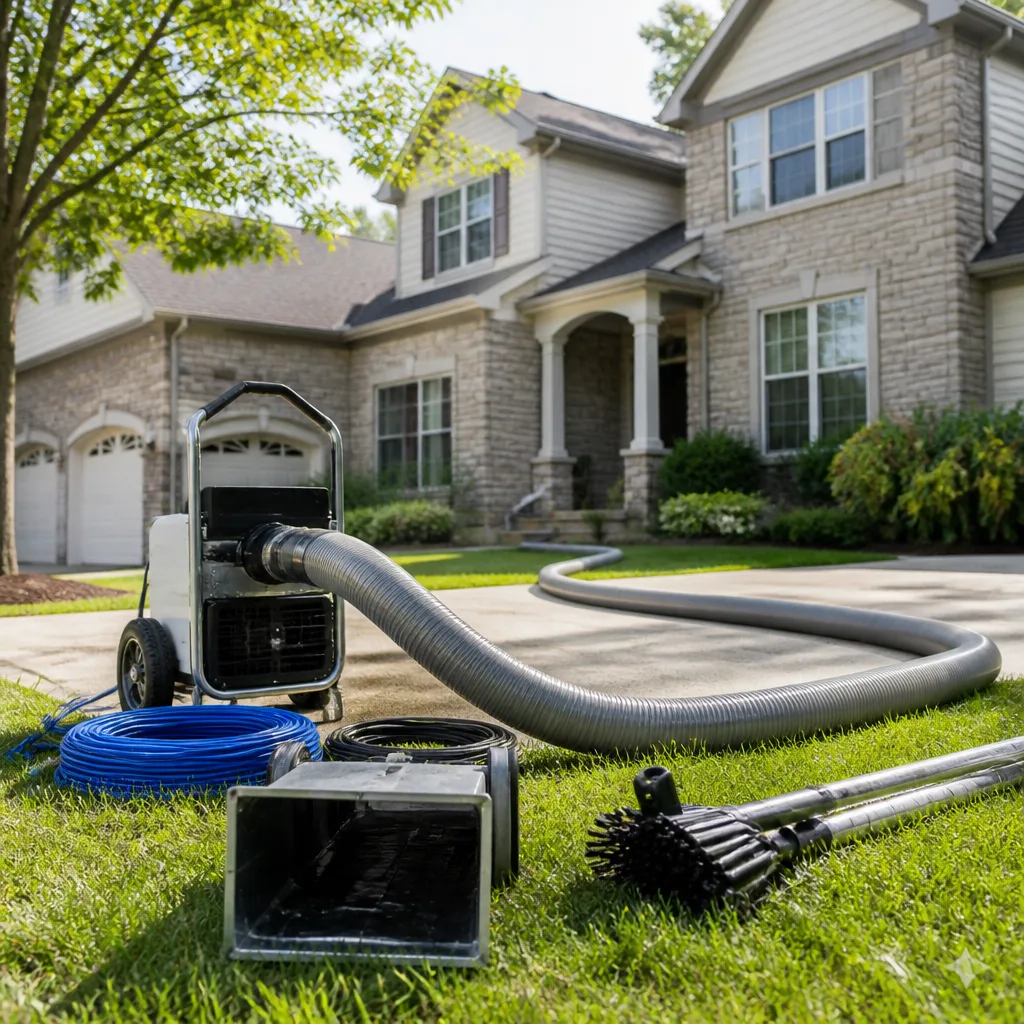 Whole-home duct cleaning
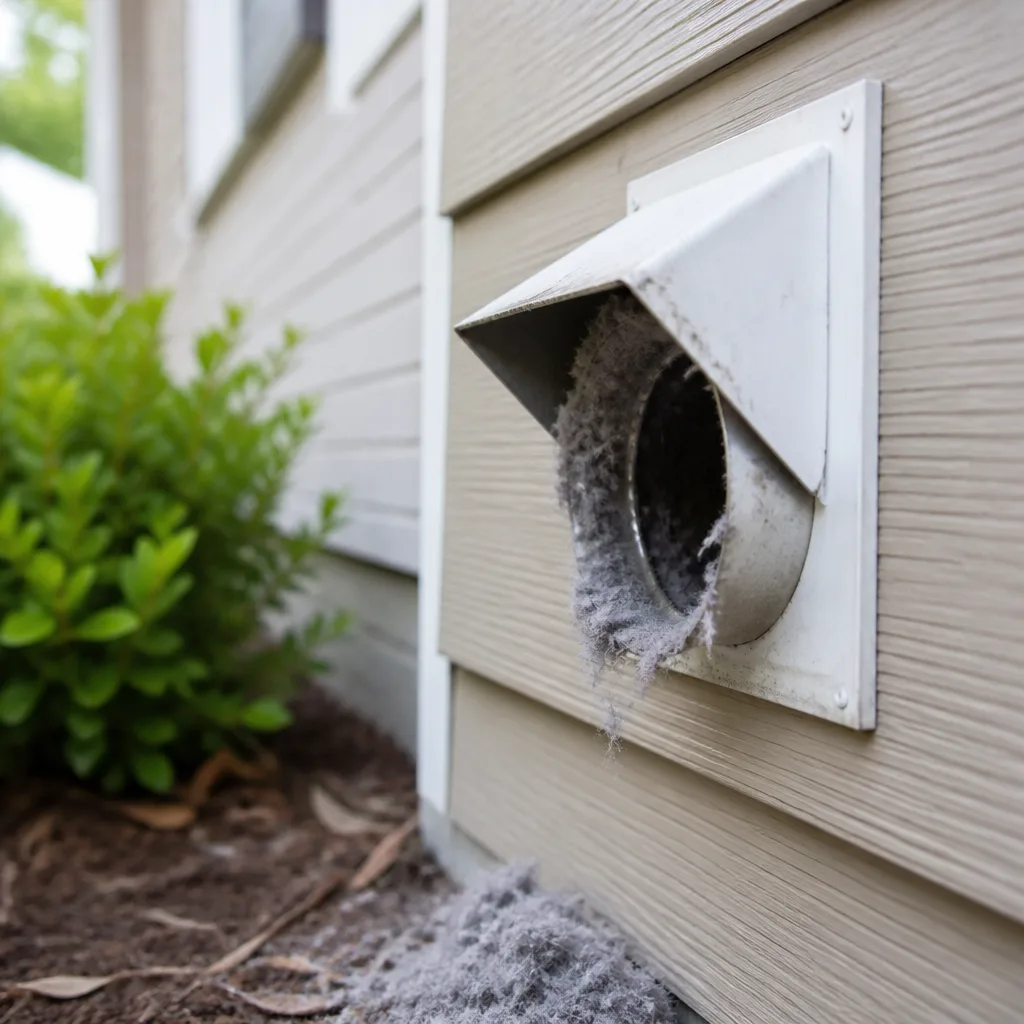 Dryer vent cleaning
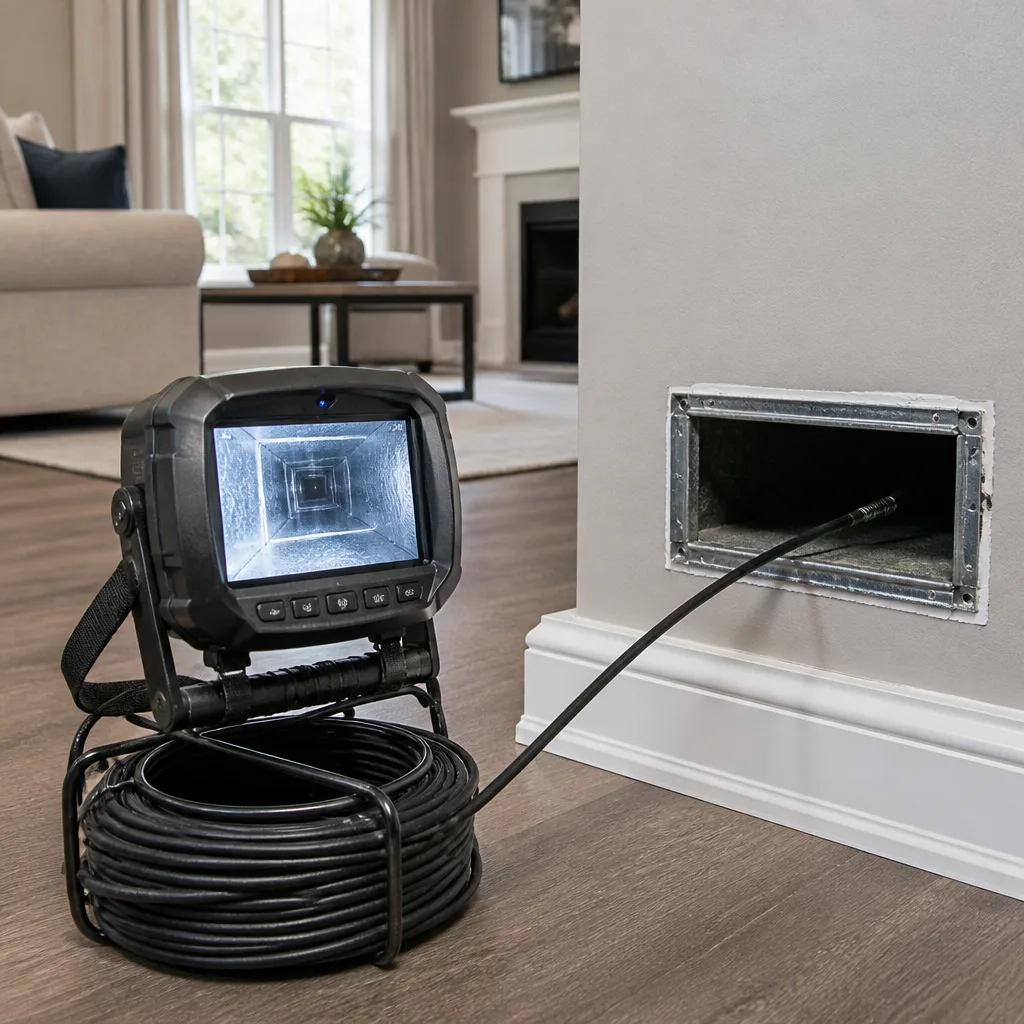 Camera inspection
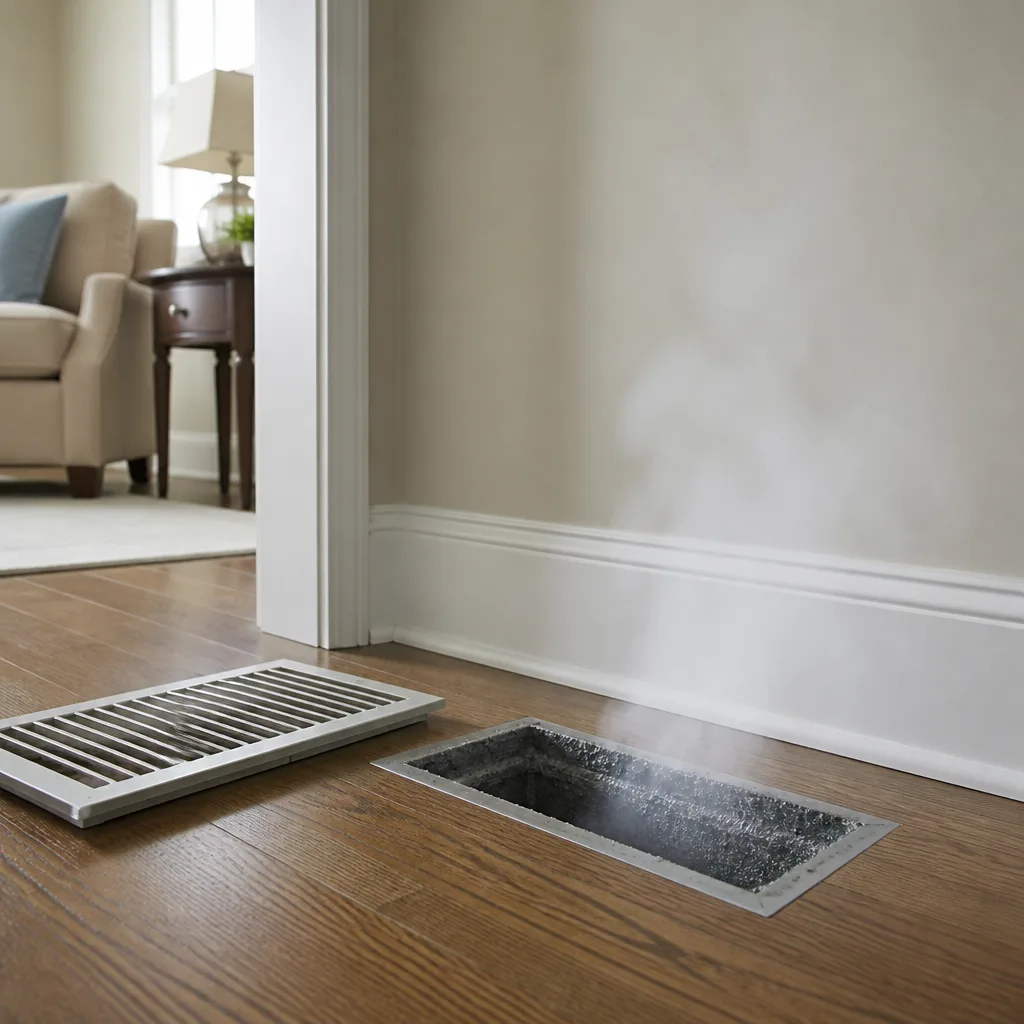 Sanitizing & deodorizing
Whole-system duct and dryer vent check with before-and-after photos - you see exactly what came out of your vents
That "$99 whole-house special" is a bait ad - the real number appears once they are in your hallway, or the "clean" is a shop-vac at the register. We photograph the inside of your ducts before and after instead.
Seasonal Air Duct Cleaning Care for South Gate: Year-Round Homeowner’s Guide
Most South Gate homeowners clean their ducts on a schedule that works against them. The familiar October ritual makes sense on paper: fall arrives, you close the windows, you want the house fresh before the holidays. But in South Gate, October is the calm before the particulate storm. Santa Ana winds arrive weeks later and push some of the year’s highest dust, pollen, and debris loads straight through your ductwork, undoing a cleaning that was meant to last twelve months. The truth is simple: timing matters as much as the cleaning itself. This guide maps air duct maintenance to South Gate’s actual climate rhythm, not a generic national calendar, so you clean once and stay cleaner longer.
Quick Answer
The most defensible time to schedule air duct cleaning in South Gate is the post-Santa Ana window from late November through December, after seasonal winds have stopped pushing particulate through your system and before heater startup contamination settles in. South Gate’s climate creates four distinct air quality cycles rather than four temperature seasons: coastal moisture and mold risk from May through June, peak AC dust loading from July through September, Santa Ana particulate events from October through November, and combustion season from December through February. Matching your cleaning and filter changes to these cycles delivers measurable system performance benefits.
Styles & brands we work with
- Whole-home duct cleaning
- Dryer vent cleaning
- Camera inspection
- Sanitizing & deodorizing
Table of Contents
- South Gate’s Four Air Quality Cycles (Not Seasons)
- The Post-Santa Ana Inspection Window: Why Late November Through December Wins
- Seasonal Filter Strategy: MERV Ratings and the Blower Motor Mistake
- Brush Fire Smoke Response: What to Do in the First 48 Hours
- Spring Startup Checklist for Systems That Sat Idle
- Dryer Vent Cleaning: The Fire-Safety Cycle That Runs on Its Own Clock
- Signs You Cannot Ignore: When Cleaning Is No Longer Optional
South Gate’s Four Air Quality Cycles (Not Seasons)
You will not find freeze-thaw cycles or ice dam damage on a South Gate duct inspection report. What you will find is a repeating pattern of four environmental stress periods that load your air system differently each quarter. Understanding these cycles is the foundation of a maintenance schedule that actually works for this city, because each cycle introduces a different contaminant profile and demands a different response.
Cycle One: Coastal Moisture and Mold Risk (May Through June)
Late spring in South Gate brings the marine layer: overcast mornings, elevated humidity, and air that sits heavy over the Los Angeles Basin. Moisture is the variable that changes duct conditions most dramatically. When humid air moves through cool ductwork, condensation forms on interior surfaces, particularly in flex duct runs in attics or crawlspaces where insulation is thin. Combine that condensation with the organic dust that accumulated during spring, and you have the recipe for microbial growth.
This is the cycle where we see the highest percentage of mold-suspect findings in South Gate homes. The growth is rarely visible from a register; it happens deep inside supply ducts where humid air stalls. By the time you smell it, the colony has been releasing spores into your living space for weeks or months. Homeowners who respond early in this window by checking for musty odors at register openings and scheduling an inspection catch problems before they become remediation projects.
Cycle Two: Peak AC Load and Dust Accumulation (July Through September)
Summer in South Gate is when your system works hardest. August and September push daytime temperatures into the 90s, and in some inland stretches of the city, higher. Your air handler moves air through the ducts for hours every day, and every cubic foot of that air carries particulate. South Gate sits in the Los Angeles Basin, and summer inversion layers trap ozone, vehicle emissions, and fine dust at ground level. That is the air your return ducts pull into the system before the filter ever sees it.
Three things happen during peak load months. First, the filter captures what it can and clogs, which raises static pressure and strains the blower motor. Second, what the filter misses deposits on duct walls, especially in return ducts where air moves slower. Third, accumulated dust settles into the evaporator coil, reducing heat transfer efficiency and extending runtime. None of this damage is visible from the living room, but all of it compounds through July, August, and September.
For South Gate homeowners, this cycle argues for a simple discipline: check filters monthly during summer, and if you have not scheduled a cleaning since spring, September is the month to consider one so your system enters fall with clean ductwork before Santa Ana season arrives.
Cycle Three: Santa Ana Particulate Events (October Through November)
The Santa Ana winds are South Gate’s most visible air quality event. Strong offshore winds push dry desert air through the San Gabriel and Cajon passes and across the coastal plain. The air carries dust, pollen, plant debris, and – in dry years – brush fire smoke from the foothills and inland valleys. Wind gusts in South Gate routinely exceed 40 mph during Santa Ana events, and particulate matter readings spike dramatically during these episodes.
Your HVAC system is a dust collection machine during Santa Ana season, even with the windows closed. Negative pressure from exhaust fans, doorways, and structural gaps pulls outdoor air into the home. The return ducts then pull that air through the system. Every filter has a capture limit, and every filter bypasses some percentage of the smallest particles. That bypassed particulate deposits in your ductwork.
What Santa Ana particulate means for duct work in practical terms:
- Return ducts accumulate the finest particulate, which bonds to existing dust and forms a hardened layer that standard vacuuming alone will not remove.
- Supply registers in south and east-facing rooms see the highest particle volumes, because those exterior walls take the most wind pressure.
- Duct cleaning performed in October, immediately before the strongest Santa Ana events, typically needs a repeat within eight to twelve weeks.
Cycle Four: Combustion Season and Heater Startup (December Through February)
South Gate winters are mild, and many heating systems sit idle from March through November. When the thermostat finally calls for heat in December, the system pushes air through ductwork that has been collecting seasonal debris for months. The first few heating cycles burn off a summer’s worth of accumulated dust, producing that distinct “burning smell” homeowners report every winter.
That smell is not a fire and it is not the furnace malfunctioning. It is the odor of heated dust and particulate being pushed through registers after months of dormancy. However, if you have not cleaned the ducts recently, that dust load also includes contaminants introduced during Santa Ana season, meaning the first winter heat cycle of 2025 circulated material that entered your system in October and November. This is exactly why the post-Santa Ana cleaning window matters: it removes that material before the heating season distributes it through the home.
The Post-Santa Ana Inspection Window: Why Late November Through December Wins
If you clean your ducts only once a year in South Gate, schedule it after Santa Ana season ends, not before it begins. The logic is straightforward: a cleaning in late November or December removes the full year’s accumulated load – including the heavy Santa Ana particulate deposit – before the heating season starts. That gives you the longest possible stretch of clean air delivery before the next spring’s moisture cycle begins.
There’s a second reason December is strategic: most South Gate homeowners notice the “burning smell” on first heat startup around the same time they are preparing for holiday guests, and the discovery prompts action. But choosing the post-Santa Ana window also aligns with a quieter period for HVAC service, which means shorter scheduling lead times and more flexible appointment windows.
We have been asked whether spring cleaning makes more sense because “pollen season” is the visible culprit. In South Gate, spring pollen loads are real, but the source of most duct contamination during spring is the moisture cycle’s microbial contribution, not pollen. A December cleaning leaves your system in its cleanest possible state through spring, minimizing the dust that would otherwise fuel condensation-related growth in May and June. A cleaning that happens in April leaves fall and winter contamination in place for six more months. By the time spring cleaning sounds like a good idea, the damage has already been building.
What makes a post-Santa Ana cleaning effective is extraction quality. The particulate deposited by Santa Ana winds is fine and abrasive; it bonds to existing dust layers. A rotary brush system – the kind used in professional-grade air duct cleaning – agitates that bonded layer and pulls it free, where vacuum-only systems leave it behind. If the system uses HEPA-rated vacuum equipment, the dislodged particulate is captured, not recirculated into the living space. Both points matter in South Gate specifically, because the particulate profile here is finer and more persistent than in coastal or mountain communities.
Seasonal Filter Strategy: MERV Ratings and the Blower Motor Mistake
South Gate homeowners make one repeated mistake during wildfire smoke events: they install the highest MERV filter they can find and leave it in place for months. The instinct is understandable, but the result is often a failed blower motor and higher repair costs. Older HVAC systems, particularly those that predate 2020, are simply not designed to push air through a MERV 13 filter without significant static pressure increase. The filter clogs faster, the motor works harder, and in extreme cases, the system overheats.
Here is a more defensible seasonal filter strategy for South Gate’s specific climate conditions.
- Baseline months (January through April, November and December): A MERV 8 filter is adequate for most South Gate homes during these periods. It captures typical household dust, pet dander, and fabric fibers without imposing excessive restriction. Replace every 90 days.
- Peak allergy and moisture months (May through June): Move to MERV 11 if your system is less than 10 years old. This improves capture of pollen and mold spores without dramatic pressure increase. If your blower motor is older than 10 years, stay at MERV 8 and consider having your ductwork evaluated for internal moisture instead, because the larger problem in spring is often condensation-related contamination, not particulate.
- Santa Ana and brush fire months (July through September, plus October through November): During active smoke events, a MERV 11 filter offers meaningful improvement while remaining compatible with most residential systems. Check it weekly and replace when you see visible discoloration. MERV 13 is an option only if your system is newer (installed within the last five years) and you have confirmed it can handle the added restriction. If you are unsure, use MERV 11 and check it more frequently; a clogged MERV 11 removes nothing, but neither does a system that has shut down to protect itself.
- After a brush fire smoke event: Replace the filter immediately, regardless of age. Smoke particles coat filter media and render it useless for further capture, and a contaminated filter can off-gas smoke odor back into the air stream.
The filter question connects directly to duct cleaning because a clean duct system makes every filter choice more effective. If your ducts have a decade of accumulated dust, a high-MERV filter spends its life capturing what your ducts should have contained, clogging faster and delivering less benefit than it would in a clean system.
Brush Fire Smoke Response: What to Do in the First 48 Hours
South Gate sits downwind of wildland fire zones in the Angeles National Forest, the Santa Monica Mountains, and the Inland Empire foothills. During dry Santa Ana events, brush fire smoke travels into the Los Angeles Basin and can persist for days. The particulate from smoke is exceptionally fine – much smaller than typical household dust – and it penetrates deep into HVAC systems, past standard filters, and into ductwork interiors.
What you do in the first 48 hours significantly affects how much smoke your home retains and how long the odor lingers. These steps apply after any significant brush fire smoke event in the South Gate area.
- Set your system to recirculate mode. If your thermostat has a “fan” or “circulate” option, use it rather than a fresh-air intake mode. This prevents the system from actively pulling smoke-laden outdoor air into the ducts.
- Seal combustion air intakes temporarily. Do not do this if you have a gas appliance running in an enclosed space where combustion air is required for safe operation. But for homes with a dedicated outdoor air intake serving the HVAC system, closing it during the active smoke event reduces particulate ingress.
- Check and replace the filter. Smoke-loaded filters turn gray or brown quickly. Replace with a fresh MERV 11 filter (or MERV 13 if your system can handle it). Do not clean and reuse a disposable filter.
- Do not run the system continuously “to clean the air.” A standard HVAC system with a MERV 8 or 11 filter is not a smoke scrubber. Running the fan continuously during a smoke event pulls more particulate through the return ducts and deposits it inside, making the post-event contamination worse. Run the system on a normal cycle until outdoor air clears.
- After the event clears, schedule a full duct inspection. Smoke particulate that has entered the duct system will not work its way out on its own. If the odor persists when the system runs, or if you see fine gray residue at supply registers, call Duct Cleaning South Gate for a full extraction. The process uses mechanical agitation and HEPA-rated vacuum capture to remove smoke residue rather than redistributing it.
One note on scope: if the smoke event was severe enough that you see residue on furniture or window sills, the duct cleaning alone will not restore full air quality. You may also need surface cleaning and possibly HVAC coil cleaning. A fair estimate requires an inspection first, and the estimate is free.
Spring Startup Checklist for Systems That Sat Idle
Many South Gate homes go weeks without running either heat or AC during the mild shoulder seasons, especially in March, April, and May before the marine layer lifts. That dormancy creates specific problems inside flex duct and air handler interiors that are not visible from the living space.
Idle ductwork in a humid South Gate spring becomes a closed ecosystem. Temperature differentials between conditioned indoor air and unconditioned attic or crawlspace air cause moisture to condense on duct surfaces. Organic matter that entered during the previous fall’s Santa Ana season provides the food source. Given weeks of stable moisture and darkness, biological growth begins.
The process usually starts in return ducts, because return air is unfiltered at the register level and carries more organic debris. But it can also occur in supply ducts if the air handler sits in an unconditioned space and the system cycles infrequently.
Here is a spring startup checklist to run when you first switch the system back to cooling mode.
- Start with a smell test at the registers. Turn the system on with the fan set to “auto” and sniff at each supply register during the first five minutes of operation. A musty or earthy smell indicates moisture-related growth inside the ducts or air handler.
- Inspect visible portions of flex duct. If you have exposed flex duct in the attic or crawlspace, look for sagging, condensation stains, or visible mold spots on the outer jacket. Sagging means water pooling; pooled water means internal growth almost certainly.
- Check the condensate drain line. A clogged drain line backs water into the air handler, which increases internal humidity and feeds growth. Pour a cup of vinegar down the line or schedule a drain line flush as part of the system startup.
- Replace the filter, even if it looks clean. A filter left in place during high-humidity months can hold moisture against its media, promoting microbial growth inside the filter itself. Start the cooling season with a new one.
- Look for particulate at supply registers. When the system first starts, place a white cloth over one or two supply registers for 10 minutes. If the cloth shows gray or brown staining, the ducts are releasing accumulated material back into the living space – a sign that cleaning is overdue.
If any of these checks turns up signs of internal growth or particulate release, schedule an inspection before the peak cooling season begins. The longer a duct system runs while internally contaminated, the more material it distributes through the home, and the harder the eventual cleaning becomes.
Dryer Vent Cleaning: The Fire-Safety Cycle That Runs on Its Own Clock
Dryer vents do not follow the same seasonal logic as air ducts. A dryer vent accumulates lint every single time the dryer runs, regardless of season, and the accumulation rate depends on household factors more than weather: how often you do laundry, what kinds of fabric you dry, the length of the vent run, and whether the termination point is properly installed.
But South Gate’s dry climate has one relevant influence: lint is drier and more combustible year-round than in humid regions, which means the margin for error is smaller. A clogged dryer vent in South Gate can reach ignition temperature faster than the same vent in a coastal city with higher ambient moisture. National fire safety organizations have long identified dryer vent accumulation as a leading cause of residential structure fires, and dryer vent cleaning is a fire-safety service before it is an efficiency service.
The most important signal is not seasonal; it is performance-based. If your dryer is taking longer than 40 minutes to dry a standard load, if the exterior vent flap is not opening fully during operation, or if the laundry room feels unusually warm while the dryer runs, the vent is restricted and needs attention regardless of the calendar.
That said, there is one seasonal pattern worth noting: lint accumulation often jumps after the holiday season, because households run more loads of bedding, towels, and guest laundry between Thanksgiving and New Year. A January inspection is a sound annual habit. For multi-unit properties in South Gate, property managers are well served by scheduling dryer vent cleaning on a fixed six- or twelve-month cycle, because tenant turnover keeps lint loads unpredictable.
Signs You Cannot Ignore: When Cleaning Is No Longer Optional
Seasonal scheduling is useful for planning, but some signs override the calendar entirely. If you notice any of the following in your South Gate home, the duct system needs evaluation now, not in December.
- Visible dust plumes from supply registers when the system starts. This means the ducts are shedding accumulated material back into your living space with every cycle.
- Persistent musty or earthy odor during system operation. This is the signature of moisture-related biological growth inside the ducts or air handler, most common in South Gate during the May-June marine layer season.
- Family members with unexplained respiratory irritation that improves away from home. While we make no medical claims, duct systems that distribute contaminants can contribute to indoor air quality problems, and cleaning is one addressable factor.
- Gray or brown staining around supply register grilles. This is particulate being blown out of the system, not dust falling from above. The direction of the staining tells the story.
- Rooms that are consistently warmer or cooler than the thermostat setpoint. Restricted ducts, internal debris build-up, or leaking duct runs all reduce airflow and cause uneven temperature distribution. In older South Gate homes, duct leakage in attic runs is a particularly common finding, and it is often repairable rather than requiring replacement.
- Recent construction or renovation in the home. Drywall dust, sawdust, and construction debris infiltrate open duct runs during remodeling and settle inside. A post-renovation cleaning protects the newly finished space from the inside out.
Air duct repair is part of this picture. A duct system that leaks does not just waste conditioned air; it pulls attic or crawlspace air into the supply stream, which means every cleaning effort is undermined by continuous recontamination. If the ducts themselves are the problem, repairing them is the answer, not more cleaning. That is a distinction worth understanding when you are comparing proposals.
Common Mistakes to Avoid
- Cleaning every October because “fall is the season.” In South Gate, October is the start of Santa Ana season, not the end of it. You clean just in time for the heaviest particulate loading of the year to undo the work.
- Installing a MERV 13 filter in an older system and leaving it in place all year. This raises static pressure, shortens blower motor life, and may void warranty coverage. Match the filter to the system, not to the marketing.
- Assuming a filter change prevents duct contamination. Filters capture only what reaches them. Duct contamination builds from bypassed particulate, leakage inflows, and moisture-related growth inside the duct system itself.
- Running the fan continuously during a smoke event. The fan pulls more smoke into the ducts and deposits it inside, making the post-event contamination problem larger, not smaller.
- Ignoring a mild-musty smell because it “goes away after a few minutes.” You are not detecting absence; you are detecting your own olfactory adaptation. The smell is still there. The system is still circulating spores.
- Treating dryer vent cleaning as an add-on to air duct cleaning. They are separate services with separate equipment and different safety implications. Your dryer vent is a fire risk independent of your HVAC system.
- Hiring on price alone without asking what kind of equipment will be used. Vacuum-only duct cleaning leaves bonded particulate behind. Rotary brush systems with HEPA capture – the kind used by South Gate homeowners who want full extraction – produce a different result. Ask for equipment names and verify them.
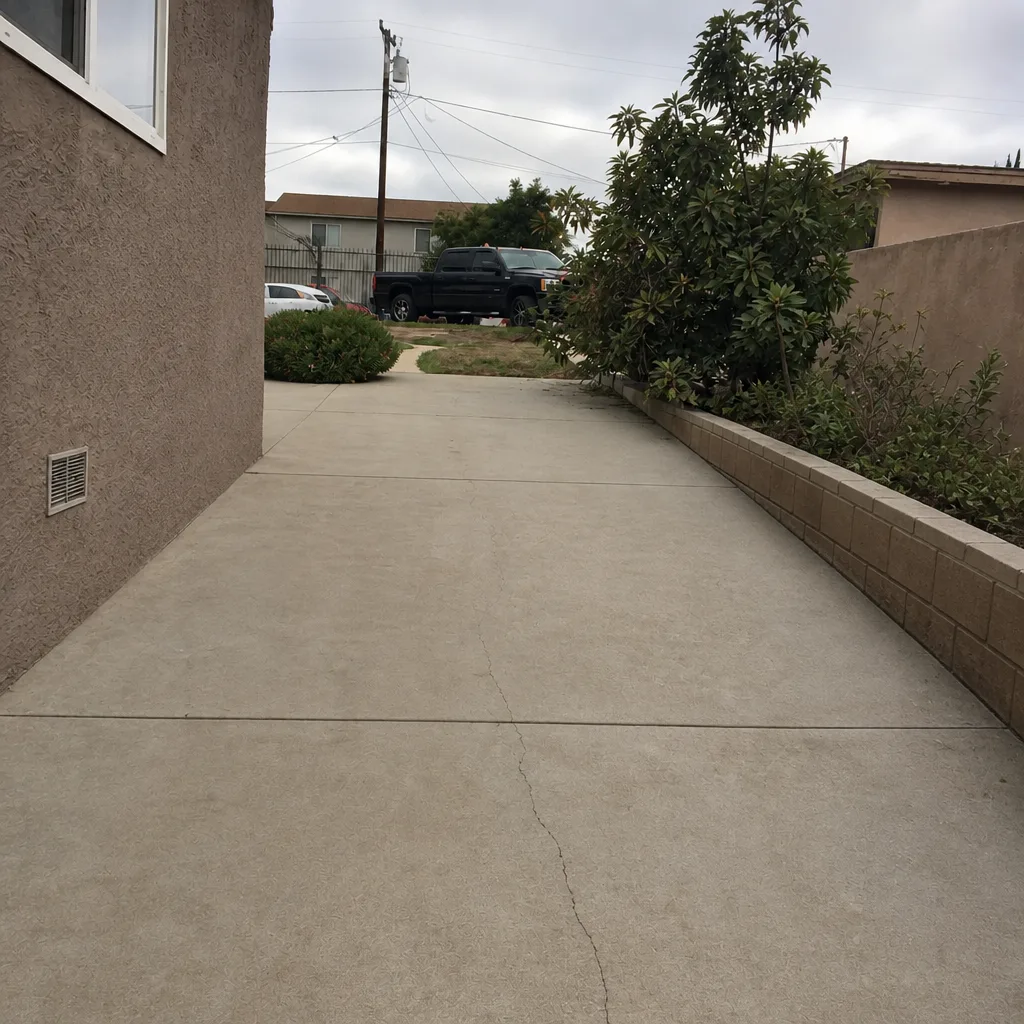
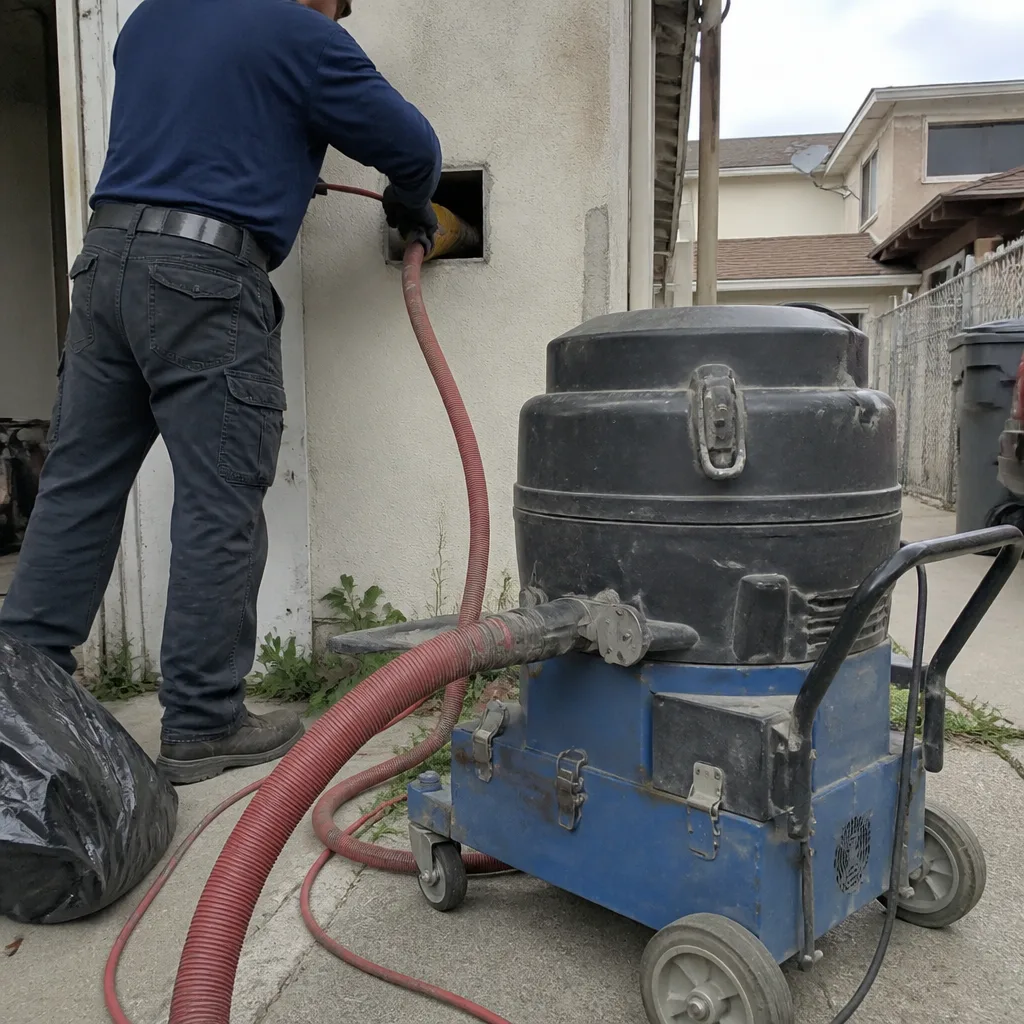
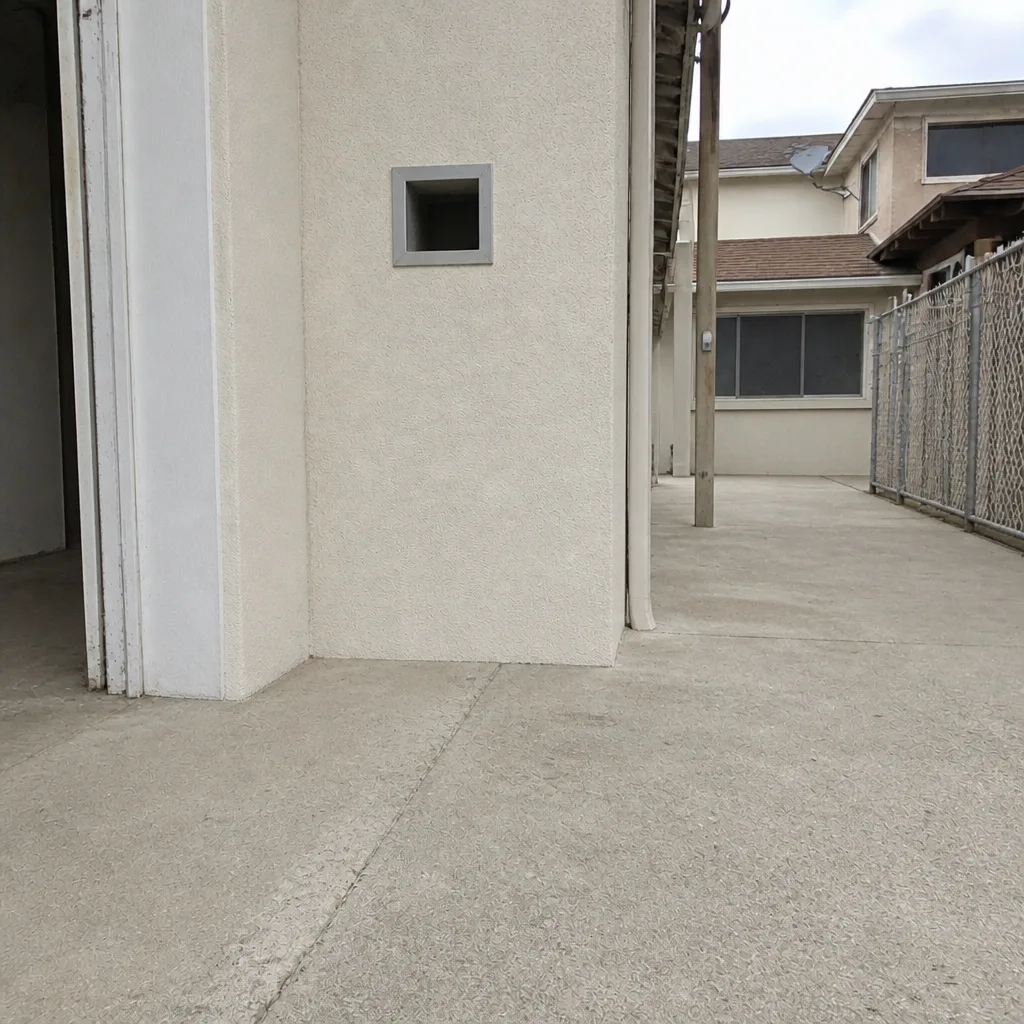
See the difference
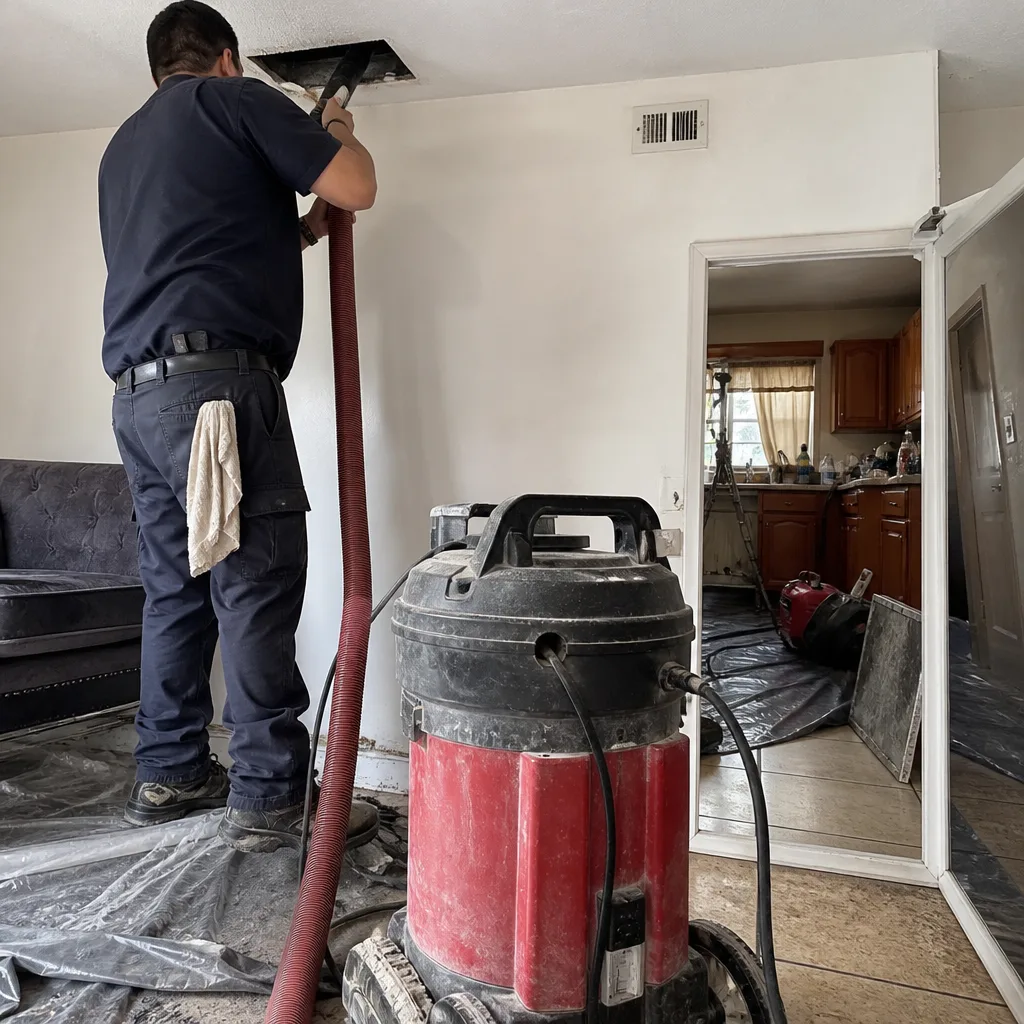 Before
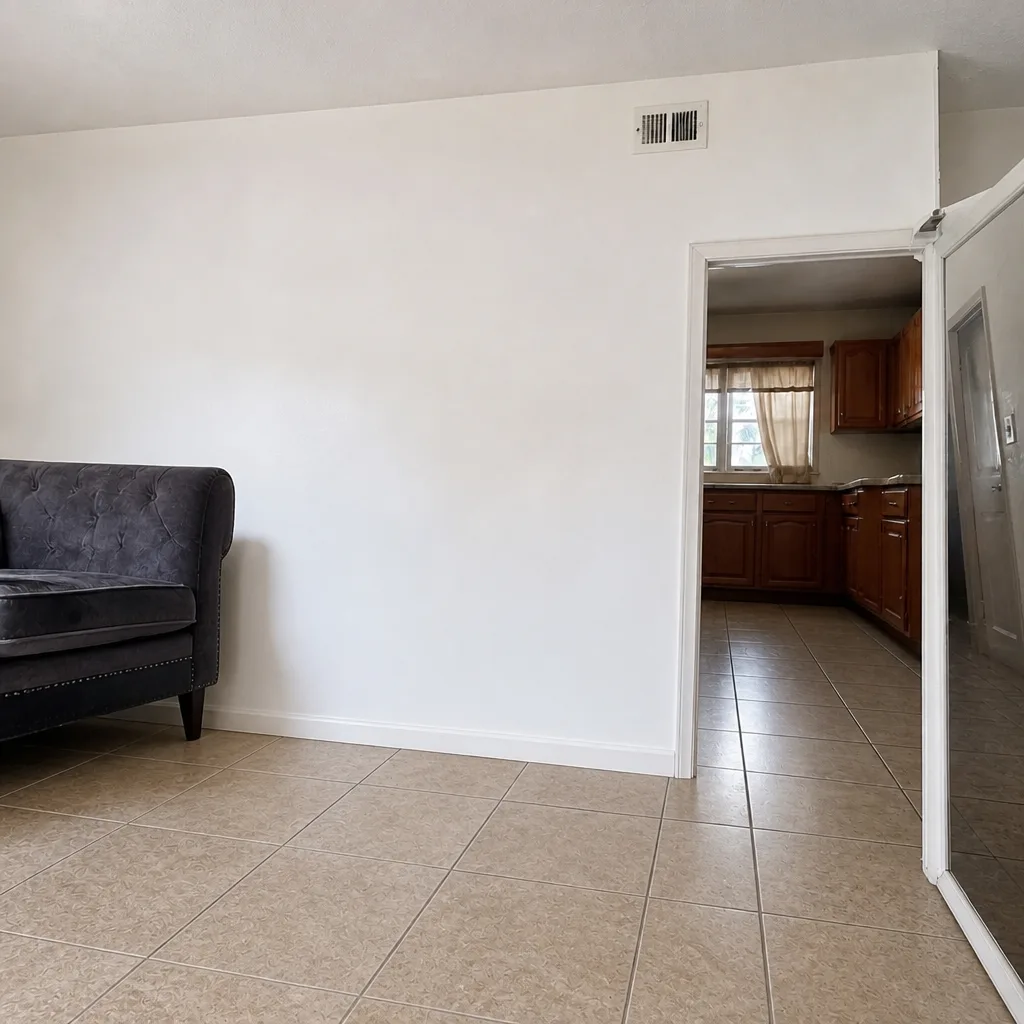 After
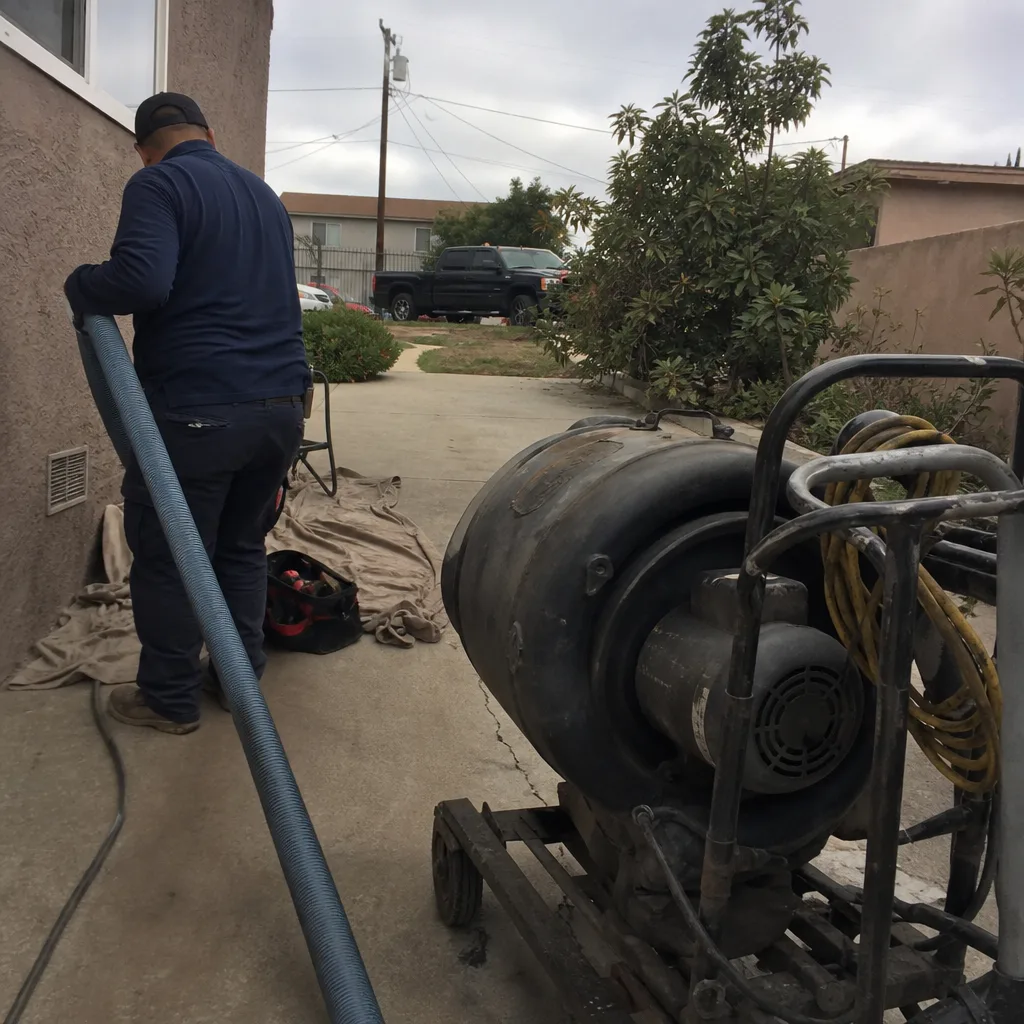 Before
 After
 Before
 After
When to Call a Professional
Some maintenance you can handle yourself: filter changes, register checks, drain line flushing with vinegar. But duct cleaning is not a DIY job, and partial attempts often make the problem worse by loosening debris that then circulates through the home. Call a professional when you see visible particulate at registers, when musty odors persist through multiple cycles, when rooms show uneven temperatures that adjustment does not fix, when a brush fire smoke event has left residue in the system, or when your dryer takes longer than 40 minutes per load. Duct Cleaning South Gate offers free estimates in South Gate, and our approach starts with an inspection so you know what you are paying for before any work begins. Call (855) 925-0879 to schedule one. We answer 24/7. Fast dispatch from 7am to 7pm, Sunday through Friday.
Frequently Asked Questions
The most defensible time to schedule air duct cleaning in South Gate is the post-Santa Ana window from late November through December, after seasonal winds have stopped pushing particulate through your system and before heating season starts. This removes a full year’s accumulated load, including Santa Ana deposits, before winter heat cycles distribute that material through the home.
For most South Gate homes without pets, smokers, or recent renovation, a professional cleaning every three to five years is adequate when paired with regular filter changes and seasonal inspections. Homes with pets, older systems, smokers, or a history of moisture problems inside the ducts should be evaluated annually, with cleaning scheduled based on what the inspection shows rather than a calendar date.
Santa Ana winds push the year’s highest particulate loads through South Gate between October and November. Cleaning before the winds means the fresh duct surface immediately collects new deposits, and the cleaning is substantially undone within weeks. Cleaning after the winds means the system stays cleaner for the longest possible stretch.
A MERV 13 filter can help during a smoke event only if your system is recent enough to handle the added airflow restriction. Older systems, particularly those with original blower motors, may overheat or fail due to the increased static pressure. For most South Gate homes, a MERV 11 filter checked weekly during the event is the safer choice. If you are unsure of your system’s capacity, ask a technician to verify before upgrading filter rating.
Air duct cleaning removes accumulated dust, pollen, pet dander, and other particulate that gets recirculated through the system each time the blower runs. For South Gate residents with allergy sensitivity, a clean duct system means less persistent exposure to these irritants. The benefit is most meaningful when cleaning is paired with proper filtration, because a clean system with an adequate filter captures more of what enters the air stream.
Yes. National fire safety organizations list dryer vent accumulation among the leading causes of residential structure fires, and the risk applies to South Gate homes as much as anywhere else. Lint is combustible, and in a dry climate like South Gate’s, accumulated lint in a restricted vent reaches ignition temperature with less contributing moisture than in humid regions. If your dryer takes longer than 40 minutes per load or the exterior vent flap is not opening fully, treat the vent as a fire risk and schedule cleaning.
The Bottom Line
South Gate does not have four seasons, but it does have four air quality cycles, and each one leaves a different deposit inside your ductwork. The smart maintenance plan matches cleaning and inspection to those cycles rather than a generic national calendar. Clean after Santa Ana season, inspect for moisture before the marine layer season, change filters by seasonal need rather than habit, and treat the dryer vent as a fire-safety issue year-round. The equipment used for your cleaning matters as much as the timing: rotary brush agitation with HEPA capture extracts what vacuum-only systems leave behind, and in South Gate’s fine-particulate environment, the difference shows up in how long the clean lasts. Duct Cleaning South Gate provides free estimates for South Gate homeowners who want to see what is in their system before work begins. Call (855) 925-0879. We answer 24/7. Fast dispatch from 7am to 7pm, Sunday through Friday.
Written by the team at Duct Cleaning South Gate, serving South Gate since 2013.