
Last updated November 4, 2026
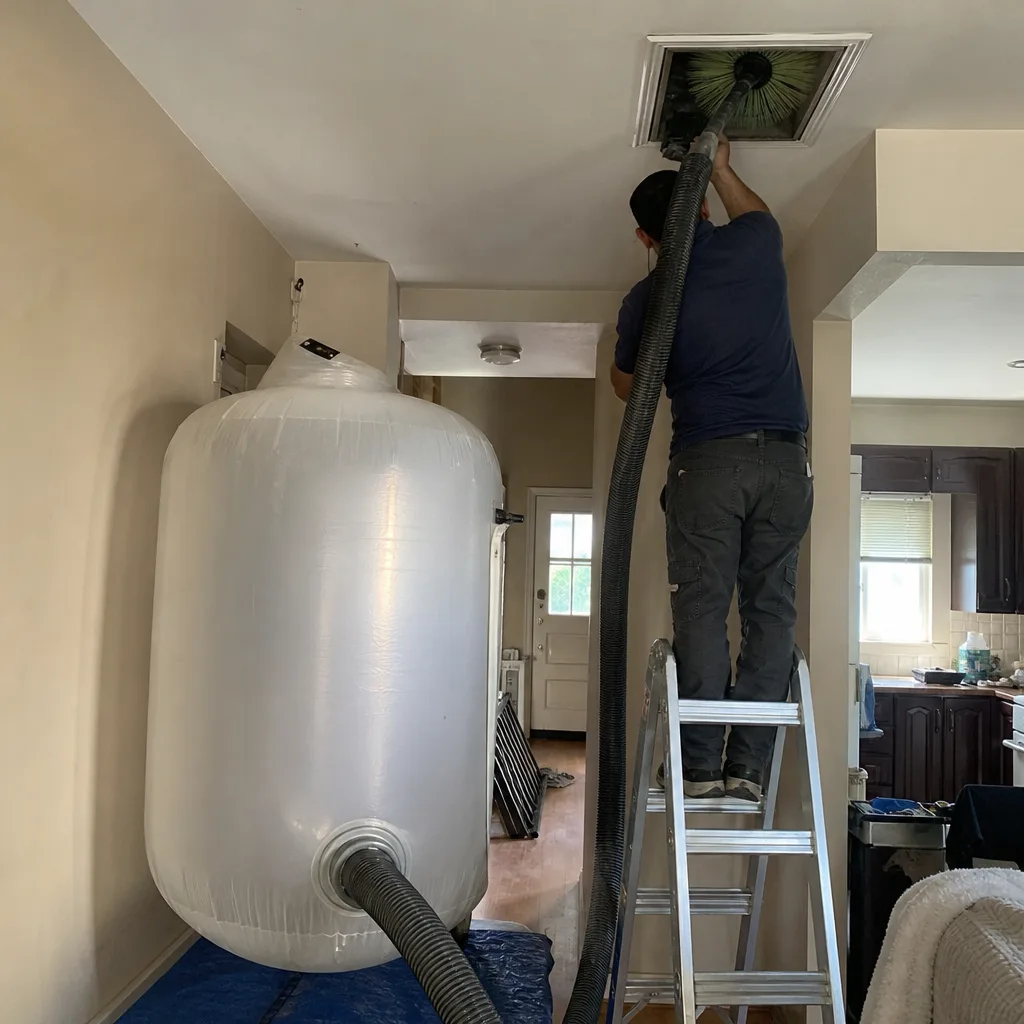
 Whole-home duct cleaning
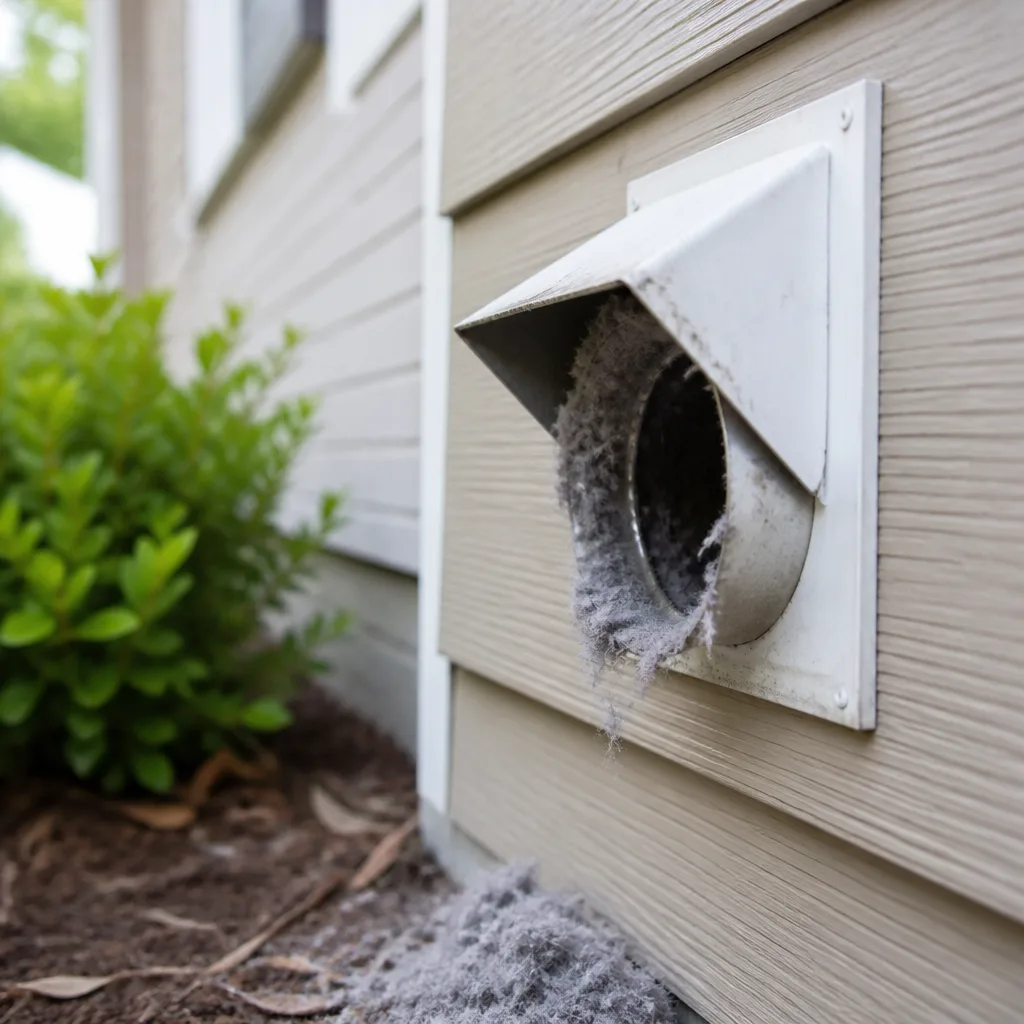 Dryer vent cleaning
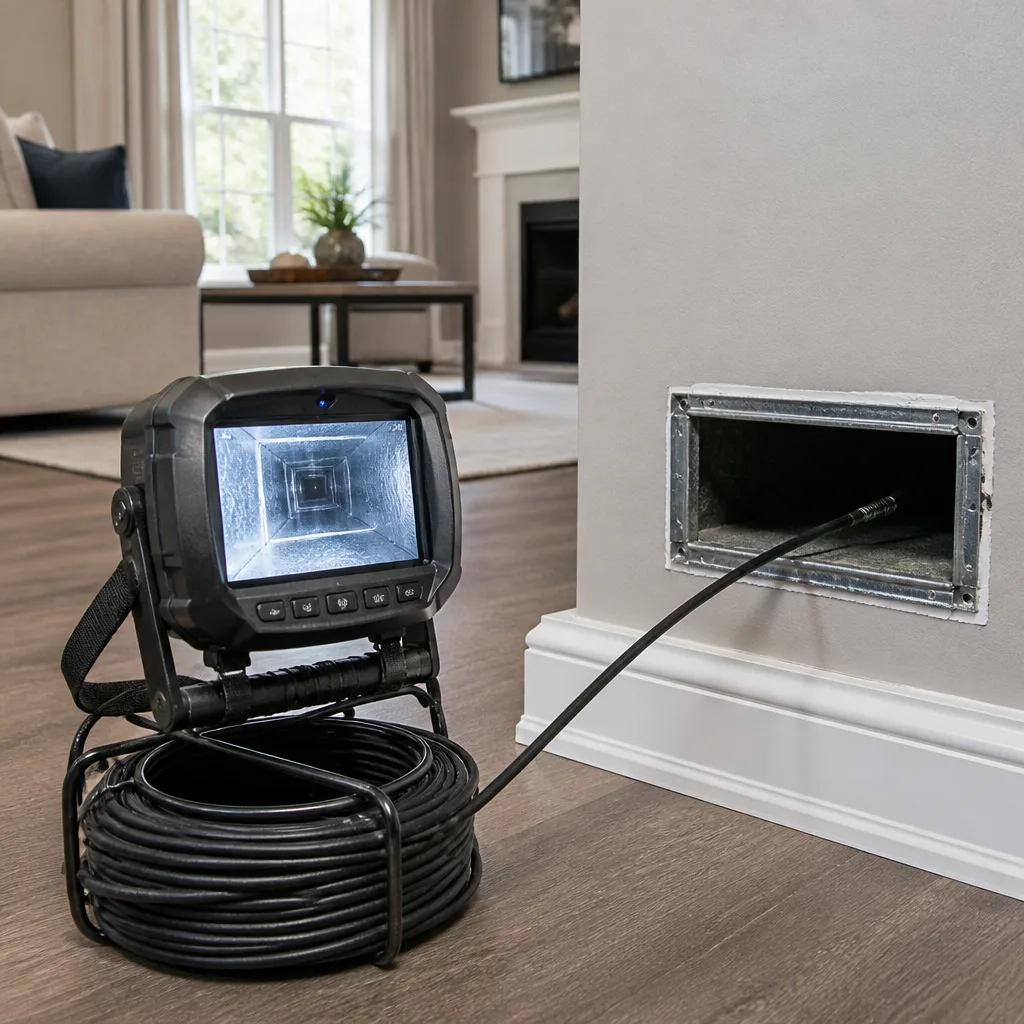 Camera inspection
 Sanitizing & deodorizing
Whole-system duct and dryer vent check with before-and-after photos - you see exactly what came out of your vents
That "$99 whole-house special" is a bait ad - the real number appears once they are in your hallway, or the "clean" is a shop-vac at the register. We photograph the inside of your ducts before and after instead.
Air Duct Cleaning Emergency Preparedness Guide for South Gate Homes
Most South Gate homeowners think of their HVAC system as a background appliance that handles temperature. The truth is less comfortable: your ductwork is the largest unfiltered surface area inside your home, and during a regional emergency it becomes either your first line of defense or an active distribution network for whatever is in the outside air. During the 2020 wildfire smoke events, homes in the South Gate area with MERV-8 or lower filtration experienced interior PM2.5 levels within 15% of outdoor readings within four hours of system operation. The blower was running, the filter was catching what it could, and the duct system was still importing the emergency. This guide builds a working protocol for protecting your air distribution system before, during, and after wildfire smoke, seismic events, and industrial air quality incidents specific to South Gate.
Quick Answer
Emergency preparedness for South Gate ductwork means three things: installing the highest MERV-rated filter your blower can safely handle before smoke season, inspecting duct connections and return plenums after any seismic event before restarting the system, and knowing when surface filter replacement ends and full duct extraction begins. A home in South Gate with MERV-13 filtration, intact duct seals, and a documented pre-event baseline can cut interior PM2.5 exposure substantially compared to a home running MERV-8 with displaced flex duct connections. The protocol below walks through each phase, including insurance documentation steps most guides skip.
Styles & brands we work with
- Whole-home duct cleaning
- Dryer vent cleaning
- Camera inspection
- Sanitizing & deodorizing
Table of Contents
- The Pre-Event Protocol for Wildfire Smoke Seasons
- Filter Upgrades: MERV-13 Without Destroying Your Blower
- Seismic Events and Duct Displacement: What to Check Before Restarting
- After the Smoke Clears: Assessing Whether You Need Extraction or Just a Filter Change
- Industrial Corridor Events: What Freight and Manufacturing Particulates Do to Duct Liners
- Documenting Duct Condition for Insurance Claims
- Why the Dryer Vent Is Part of the Same Emergency Plan
- Common Mistakes to Avoid
The Pre-Event Protocol for Wildfire Smoke Seasons
Wildfire smoke is no longer an occasional nuisance in this part of Los Angeles County. It is a recurring seasonal reality that South Gate shares with the entire basin, and the homes most affected are not the ones closest to the burn perimeter. They are the homes with the most air exchange through leaky duct systems. Smoke particles in the PM2.5 range are small enough to pass through standard fiberglass filters without slowing down. Once they enter the return side of your system, they coat the blower wheel, the evaporator coil, and the interior duct walls. That residue releases odor and particulates for months after the outdoor air clears.
The pre-event protocol is not complicated, but it does require acting before the sky turns orange. First, verify the condition of the existing filter media and the filter slot seal. A filter that does not sit tight in its slot lets unfiltered air bypass entirely. Second, inspect accessible duct joints for visible gaps, especially in visible plenum sections. Third, know your blower motor type. That last point is the one most homeowners skip and the one that determines whether a filter upgrade is safe or a repair bill waiting to happen.
Filter Upgrades: MERV-13 Without Destroying Your Blower
The common advice during smoke season is to upgrade to the highest MERV filter you can find. The advice is incomplete. A MERV-13 filter removes a meaningful portion of wildfire smoke particulate, but it also increases static pressure across the blower. In a system with undersized duct returns or an older PSC blower motor, that added resistance reduces airflow, raises motor temperature, and shortens blower life. In a system with an ECM variable-speed motor, the same filter upgrade is often harmless because the motor compensates automatically.
Here is the calculation sequence we walk through with South Gate homeowners before recommending a MERV-13 upgrade:
- Measure current filter dimensions. A 1-inch MERV-13 filter is significantly more restrictive than a 4-inch or 5-inch media cabinet filter of the same MERV rating. The thicker the media, the more surface area, the lower the pressure drop.
- Check the return air capacity. South Gate homes built in the 1950s and 1960s often have return ducts sized for heating-only systems. Undersized returns magnify the static pressure penalty of any filter upgrade.
- Identify the blower motor type. If the system has an ECM motor, the upgrade is usually safe. If it has a PSC motor, the upgrade may require a drop from MERV-13 to MERV-11, or a move to a deeper media cabinet.
- Seal the filter slot. A MERV-13 filter with a leaky slot does less for indoor air quality than a MERV-8 filter in a properly sealed slot. The bypass air is the problem.
- Run the fan continuously during smoke events. This is the exception to the static pressure concern. Continuous fan operation at low speed with a properly fitted MERV-13 filter is the most effective residential smoke strategy short of a dedicated air purifier.
If you have a Honeywell media cabinet or an Aprilaire filter housing, the upgrade path is simpler because those systems are designed for thicker media. We work with both brands regularly and can tell you whether your housing accepts a MERV-13 element without modification. Homes with Guardsman air quality products typically have integrated filtration that handles smoke particulate more effectively than a standard 1-inch slot.
Seismic Events and Duct Displacement: What to Check Before Restarting
South Gate sits in a seismically active basin, and the housing stock reflects the era in which it was built. Many homes here have flex duct connections at the supply boots and return plenums. Those connections rely on zip ties, foil tape, and mastic that degrade with age. A moderate shaking event can separate a flex duct from its boot, drop debris into an open return plenum, or shift a register box enough to let attic air into the system. None of these conditions reveal themselves until you restart the blower and realize the airflow is wrong or the air smells like the attic.
The inspection sequence we recommend before restarting any system after a seismic event:
- Do not run the blower first. Walk the visible registers and returns. Look for new drywall dust, insulation fragments, or a register that is no longer flush with the ceiling or wall.
- Access the attic or crawlspace if safe. Check visible flex duct connections at the boots and plenum. A separated connection is not always obvious from the room side.
- Inspect the return plenum. Open the filter access panel and look for debris that may have fallen in. Shake and impact can dislodge loose material from the plenum interior.
- Listen on startup. A new hissing sound, reduced airflow, or a whistling register often indicates a displaced connection downstream.
- Check for odors that were not present before. An insulation smell or a burning smell on heat startup after a seismic event is a stop-and-inspect signal, not a wait-and-see signal.
If connections have separated, the fix is not simply reattaching the flex duct. The boot and the duct interior must be inspected for debris that entered during the separation window. In many South Gate homes, that means a professional air duct cleaning to remove what fell in before the system is resealed. This is also where air duct repair becomes essential: cleaning removes the debris, but only a proper reseal and mastic repair restores the system’s pressure balance.
After the Smoke Clears: Assessing Whether You Need Extraction or Just a Filter Change
The most common question after a prolonged smoke event is whether the ducts need cleaning or whether a filter change is enough. The answer depends on what the smoke deposited and where. A filter captures particulate that reaches it. What bypasses the filter, or what deposits on internal surfaces while the system is off, remains in the system until removed mechanically.
Here are the indicators that separate a filter change from full duct extraction:
- Persistent smoke odor two weeks after the event. A filter change should resolve most residual odor within days. If the smell returns every time the blower runs, the odor source is on the duct walls or the coil, not in the filter media.
- Visible soot on register faces. Smoke staining on supply registers means particulate is accumulating and re-entraining. Surface-cleaning registers without addressing the duct interior is cosmetic.
- Black dust deposits visible inside accessible duct sections. If you can see the deposit at the boot or the first few inches of duct, it extends further in than you can see.
- Reduced airflow after the event. Smoke particulate combined with existing household dust can form a paste on the coil and blower wheel, reducing airflow in a way a filter change will not fix.
- Intermittent smoke smell in specific rooms only. This points to a particular branch duct with heavy deposition, not a system-wide filter issue.
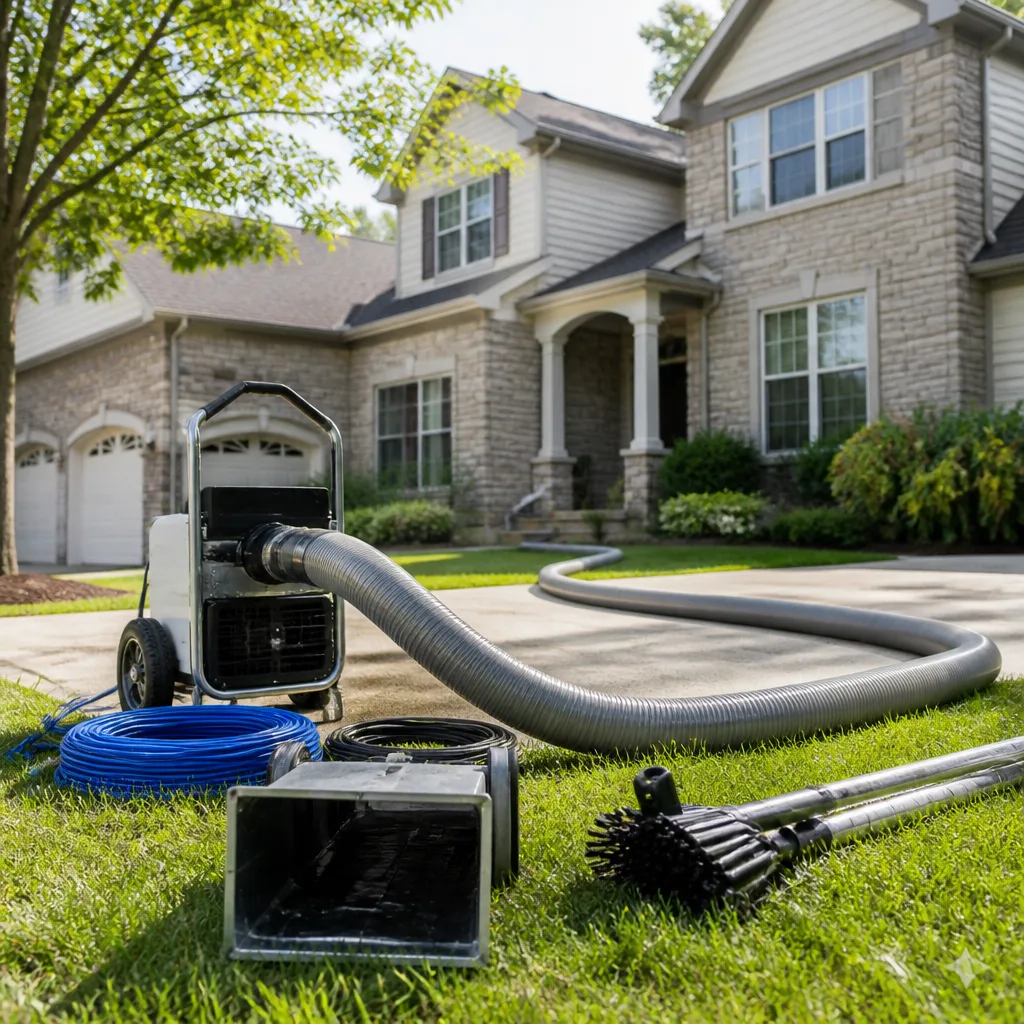
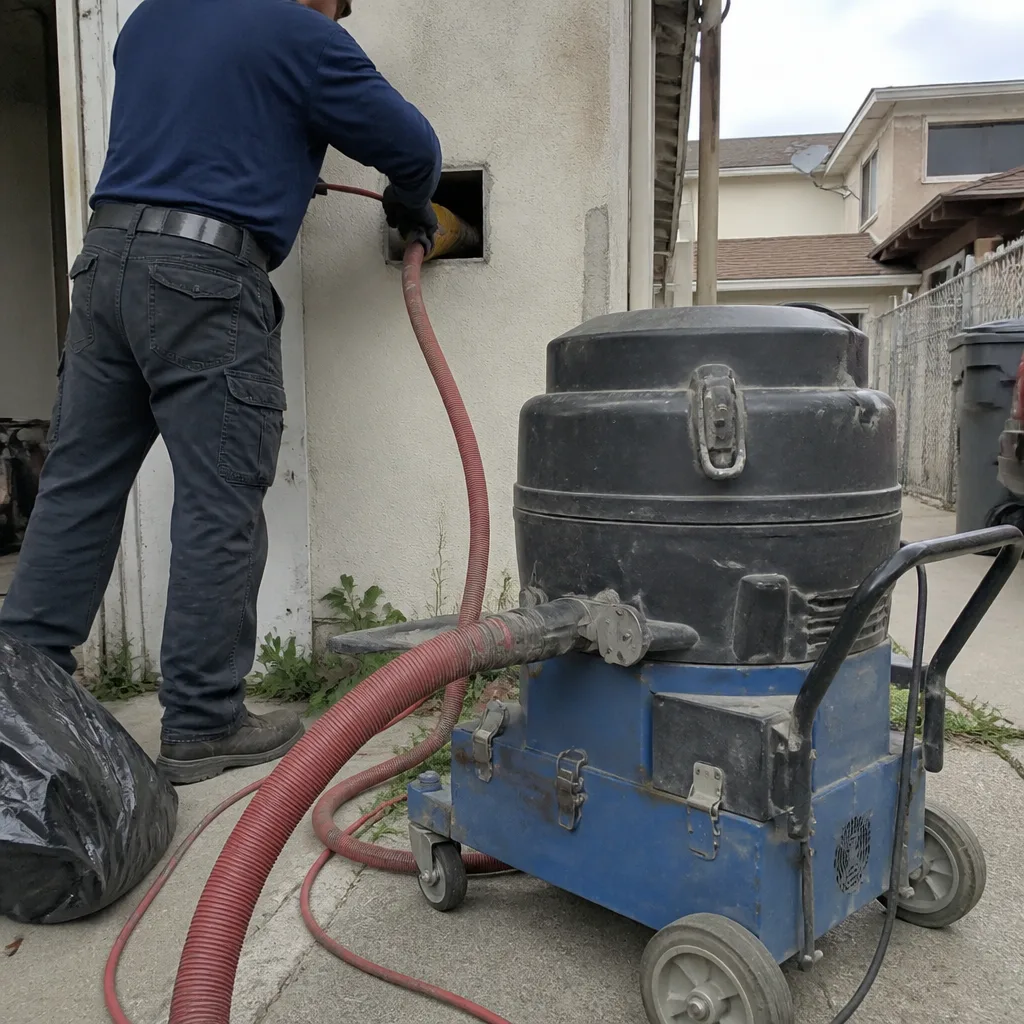
Full extraction in this context means using a Rotobrush rotary brush system to agitate the duct walls while a Nikro HEPA-rated vacuum captures the dislodged particulate. The distinction matters. A basic vacuum-only pass removes loose debris from the center of the duct but does not break the bond between smoke particulate and the duct wall. The rotary brush does. And the HEPA capture means the dislodged particulate is contained, not redistributed into the living space. That is the “captured, not recirculated” standard we hold on every job.
Industrial Corridor Events: What Freight and Manufacturing Particulates Do to Duct Liners
South Gate sits adjacent to some of the densest freight and manufacturing corridors in Los Angeles County. Interstate 710, the Alameda Corridor rail line, and the surrounding industrial districts generate a particulate profile that is different from wildfire smoke. Diesel soot, brake dust, and chemical process particles are heavier, oilier, and more adhesive than wood smoke. When they enter a duct system, they do not settle as a fine dust. They bond to interior surfaces, especially to the fiberglass duct liner common in older South Gate commercial and residential systems.
What makes industrial particulate different in ductwork:
- Oily residue. Diesel and brake particulate carries hydrocarbons that act as an adhesive. Household dust vacuums off. Combustion particulate from freight corridors requires agitation to break the bond.
- Accelerated liner degradation. Fiberglass duct liner is a porous surface. Oily particulate embeds in the liner matrix and cannot be extracted by vacuum alone. In severe cases, the liner itself must be replaced, which falls under air duct repair rather than cleaning.
- Chemical odor retention. Unlike smoke odor, which dissipates over weeks, chemical process odors can persist for months in porous duct surfaces. The fix is mechanical extraction or liner replacement, not air fresheners.
- Return-side concentration. Because returns draw air from the living space and the outside, homes near freight corridors often show heavier deposition on return-side duct surfaces than supply-side. This is the opposite pattern of a typical household dust system.
If your home has exterior door gaps, older window seals, or a fresh-air intake near a freight route, the duct system is receiving a continuous low-dose particulate load. The emergency event is not always visible. It is a chronic exposure that shows up as darker-than-expected duct interiors, heavier filter loading, and a fine black dust on horizontal surfaces near registers.
Documenting Duct Condition for Insurance Claims
Insurance claims for duct contamination after a covered event succeed or fail on documentation. The insurer’s position is predictable: prove the damage is from the event, not from deferred maintenance. A homeowner who cannot produce a pre-event baseline is negotiating from a weak position. A homeowner with dated photos, filter purchase records, and a professional inspection report has a defensible claim.
What to document before an event:
- Photograph accessible duct interiors. Use a phone camera aimed into the register boot and any accessible plenum sections. Date-stamp the photos. This is your pre-event baseline.
- Keep filter purchase records. A receipt showing consistent filter changes establishes maintenance history. Buy filters online or keep paper receipts; either works as long as they are dated.
- Photograph the filter before replacement. The dirty filter is evidence of what was entering the system. A photo of the filter face before you toss it documents the particulate load.
- Get a professional inspection if you are in a high-risk area. A visual inspection with a written report establishes professional-condition baseline. If you later claim smoke damage, the pre-event report is the strongest evidence you can present.
After an event, repeat the same documentation. Photos of visible soot deposits, the date of the event, and a professional assessment comparing pre- and post-event condition create a narrative the adjuster can follow. We have seen claims approved because the homeowner documented the duct condition the same way they documented the roof and the siding. The duct system is part of the property. Treat it that way.
Why the Dryer Vent Is Part of the Same Emergency Plan
The dryer vent is the duct system component most likely to create its own emergency. National fire safety organizations consistently identify clogged dryer vents as a leading cause of residential fires, and that risk does not pause during wildfire season or after a seismic event. In fact, a seismic event can dislodge a dryer vent connection in the wall cavity, creating a hidden lint accumulation point that is also a fire hazard.
This is where dryer vent cleaning belongs in the protocol. A vent that is clean before a regional event is a stable baseline. A vent that is already carrying years of lint accumulation becomes a more serious risk when the house shifts, the appliance moves, or the vent connection is compromised. We treat dryer vent cleaning as a fire-safety service, not an add-on, because the data supports that framing. The dryer vent is a fire risk your HVAC company will not mention because it falls outside their service scope.
The inspection points for the dryer vent after any seismic event:
- Pull the dryer out and check the transition duct connection at the appliance.
- Verify the exterior vent flap still opens and closes freely. A displaced flap traps lint inside the duct.
- Check for new air gaps where the vent passes through the wall or floor.
- If the vent run is long or has multiple bends, a visual inspection is not enough. The interior needs a camera or a professional cleaning pass.
Common Mistakes to Avoid
- Installing a MERV-13 filter during a smoke event without checking static pressure. The upgrade can reduce airflow enough to freeze the coil in summer or trip the limit switch in winter. On an older PSC blower in a South Gate home with undersized returns, this is a real risk, not a theoretical one.
- Restarting the blower immediately after a seismic event without inspecting the system. The blower will happily distribute attic insulation and drywall dust through the entire home. A ten-minute visual check prevents a whole-house contamination event.
- Assuming a filter change fixes post-smoke odor. If the odor returns every time the blower cycles, the source is on interior surfaces, not in the filter. A filter change is a one-time treatment; the symptom recurs until the deposits are extracted.
- Documenting the roof and siding but not the duct system before an event. Insurers treat undocumented duct damage as unprovable duct damage. The baseline photos and receipts cost nothing and take minutes.
- Treating the dryer vent as a separate, lower-priority system. The dryer vent is the one duct in the home that can start a fire on its own. Leaving it out of the emergency plan leaves the most dangerous component unmanaged.
- Cleaning the ducts without addressing displaced connections. If a seismic event separated a flex duct, cleaning the duct without resealing the connection means the system pulls attic air immediately after the cleaning. Cleaning and repair must happen together.
- Using a budget duct service with a truck-mount blower for smoke remediation. Smoke particulate adheres to duct walls. A vacuum-only pass removes loose debris but leaves the bonded deposit in place. The home smells better for a week and then the odor returns.
See the difference
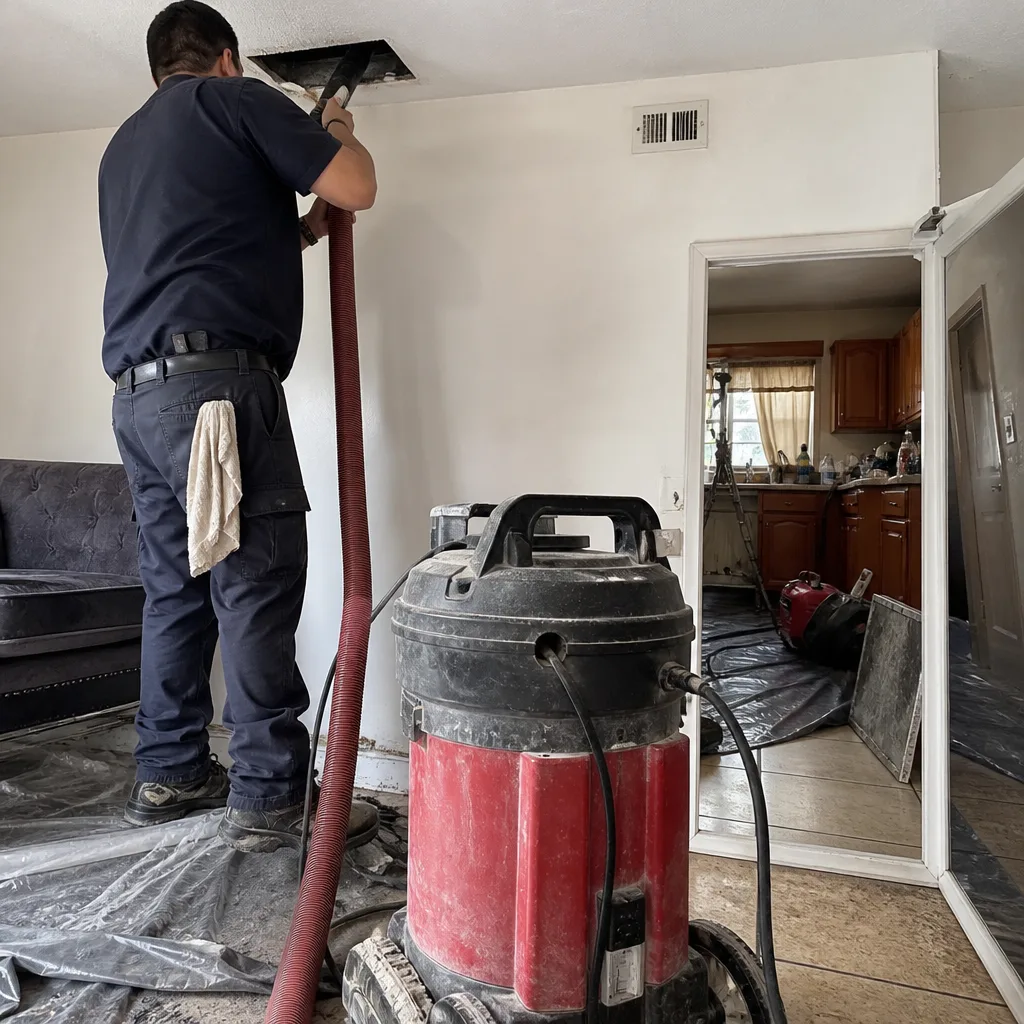 Before
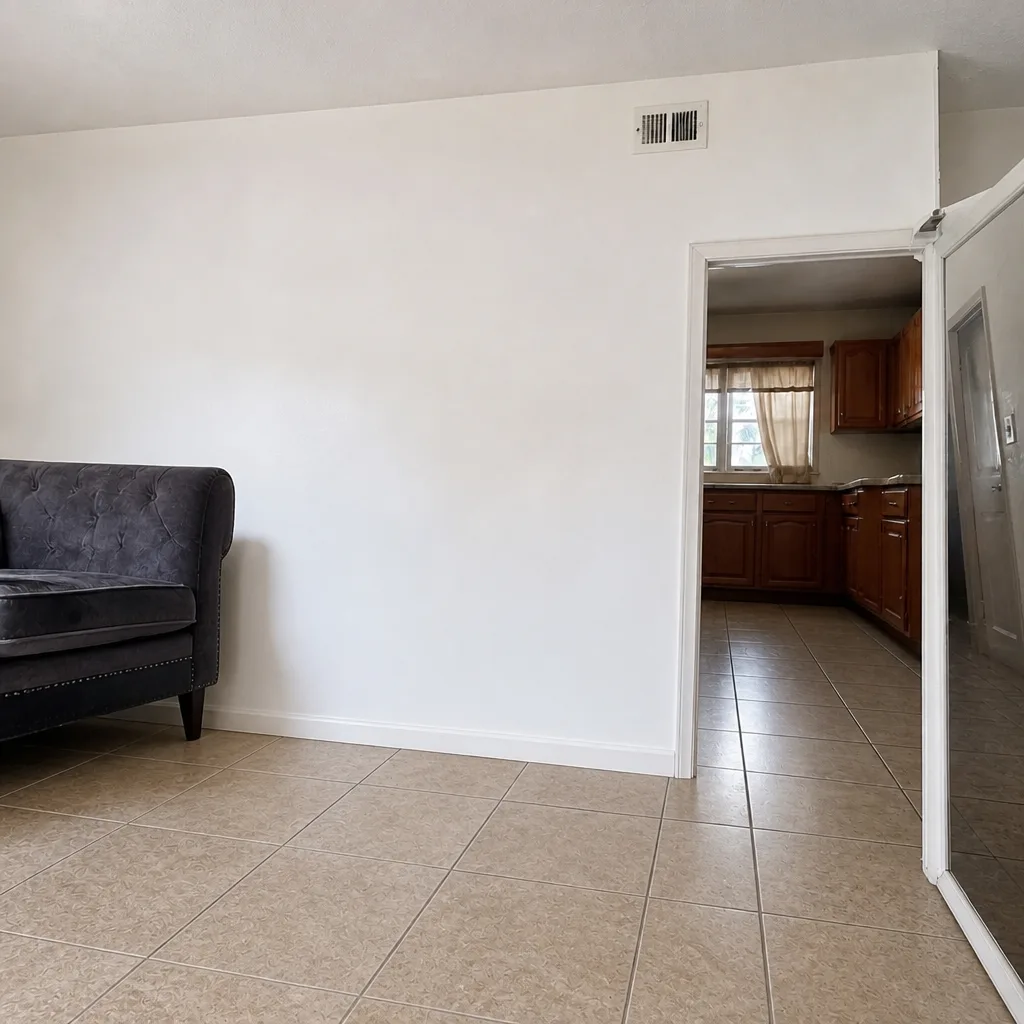 After
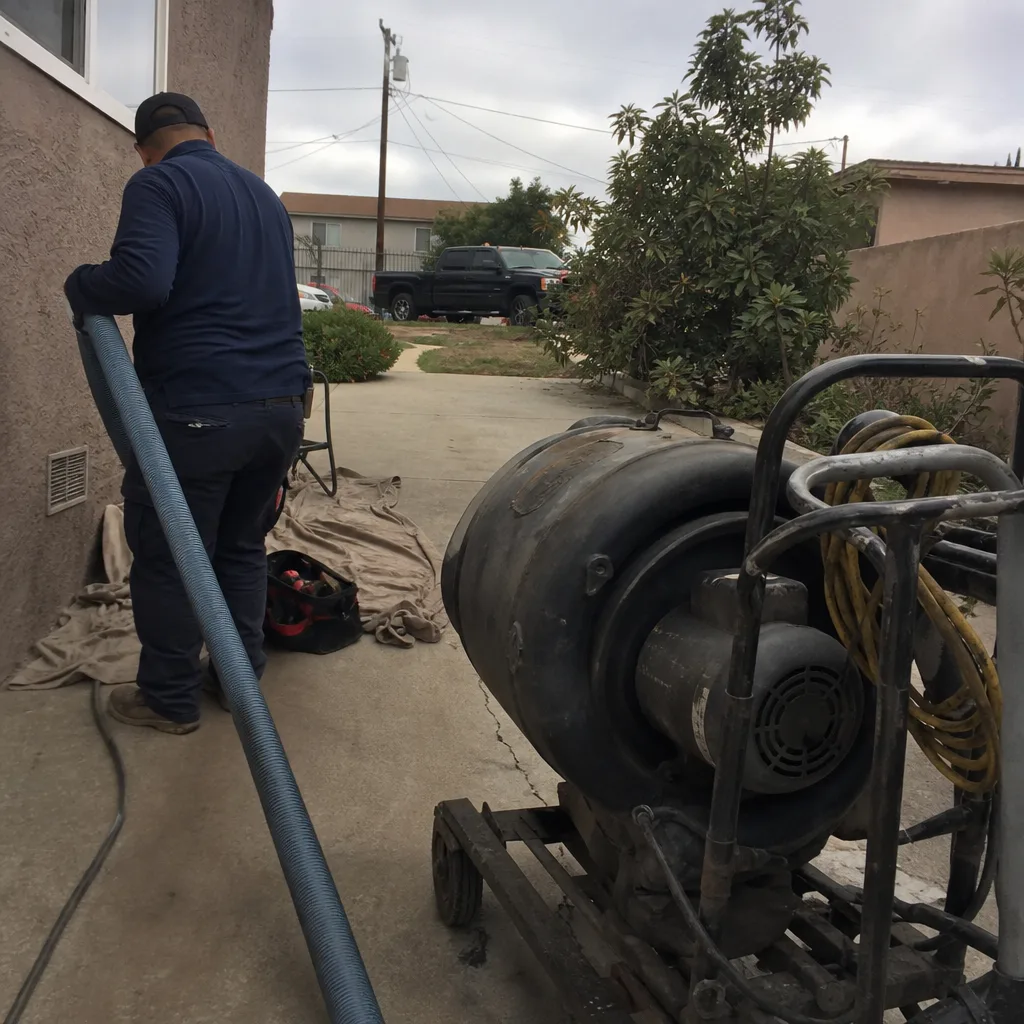 Before
 After
 Before
 After
When to Call a Professional
Call a professional when the inspection reveals conditions you cannot safely see or fix yourself: separated flex duct connections in an attic or crawlspace, visible soot deposits beyond the first few inches of the duct, persistent smoke odor two weeks after filter replacement, or a dryer vent you cannot visually inspect along its full run. If you are preparing for wildfire smoke season and want to know whether your system can handle a MERV-13 upgrade, a professional assessment of your return capacity and filter slot is worth the call before you spend money on filters that may not fit or may overload your blower. Duct Cleaning South Gate offers free estimates in South Gate, and our team uses Rotobrush rotary brush systems, Nikro HEPA-rated vacuums, and Abatement Technologies negative-air equipment on every job. The equipment is verifiable by name, which means you know what standard of cleaning you are paying for. Call (855) 925-0879. We answer 24/7. Fast dispatch from 7am to 7pm, Sunday through Friday.
Frequently Asked Questions
Most systems can handle MERV-13 if the filter is thick enough and the return capacity is adequate, but older PSC blower motors in South Gate homes with undersized returns may not tolerate the added static pressure. The safest path is to measure your current filter dimensions, check your blower motor type, and assess return sizing before upgrading. If you have a Honeywell media cabinet or Aprilaire filter housing, the upgrade is usually straightforward because those systems are designed for thicker media.
Check the visible return and supply registers first, then access the attic or crawlspace to inspect flex duct connections at the boots and plenum. Open the filter access panel and look inside the return plenum for fallen debris. Only after those checks should you restart the blower and listen for new airflow sounds or odors that indicate a displaced connection.
With a fresh filter, most residual smoke odor inside a home should fade within a week or two. If the odor returns every time the blower runs after two weeks, the source is on the duct walls, the coil, or the blower wheel, not in the filter media. That condition requires mechanical extraction with a rotary brush system and HEPA capture, not another filter change.
Coverage depends on your policy and the documentation you can produce. Insurers typically require proof that the contamination resulted from the covered event rather than deferred maintenance. Dated pre-event photos of accessible duct interiors, filter purchase records, and a professional inspection report create the strongest claim file. Without that baseline, the claim is harder to prove.
Homes near the I-710 corridor, the Alameda Corridor rail line, or active manufacturing districts typically show heavier return-side deposition than homes in quieter residential pockets. A visual inspection through the register boot or filter slot will show whether the interior surfaces have accumulated a visible layer. For most South Gate homes, an inspection every two to three years is a reasonable interval, with cleaning scheduled when deposits are visible or airflow has changed.
Yes. A clogged dryer vent is a recognized residential fire hazard, and seismic events can displace vent connections inside the wall cavity, creating hidden lint accumulation points. The dryer vent should be inspected and cleaned on the same schedule as your duct system, or more often if the vent run is long or has multiple bends. Call (855) 925-0879 for a free estimate.
The Bottom Line
Emergency preparedness for South Gate ductwork is not a single action. It is a sequence: upgrade filtration before smoke season with attention to blower limits, inspect connections after every seismic event before restarting the system, know when post-smoke extraction is needed versus a simple filter change, document everything for insurance, and treat the dryer vent as part of the same plan. The equipment gap matters. A basic blower service redistributes debris; a Rotobrush and Nikro HEPA system captures it. The protocol in this guide gives you a defensible, practical plan for the specific risks South Gate faces. The next step is a baseline inspection and a documented pre-event condition. Call (855) 925-0879. We answer 24/7. Fast dispatch from 7am to 7pm, Sunday through Friday.
Written by the team at Duct Cleaning South Gate, serving South Gate since 2013.