
Last updated November 4, 2026
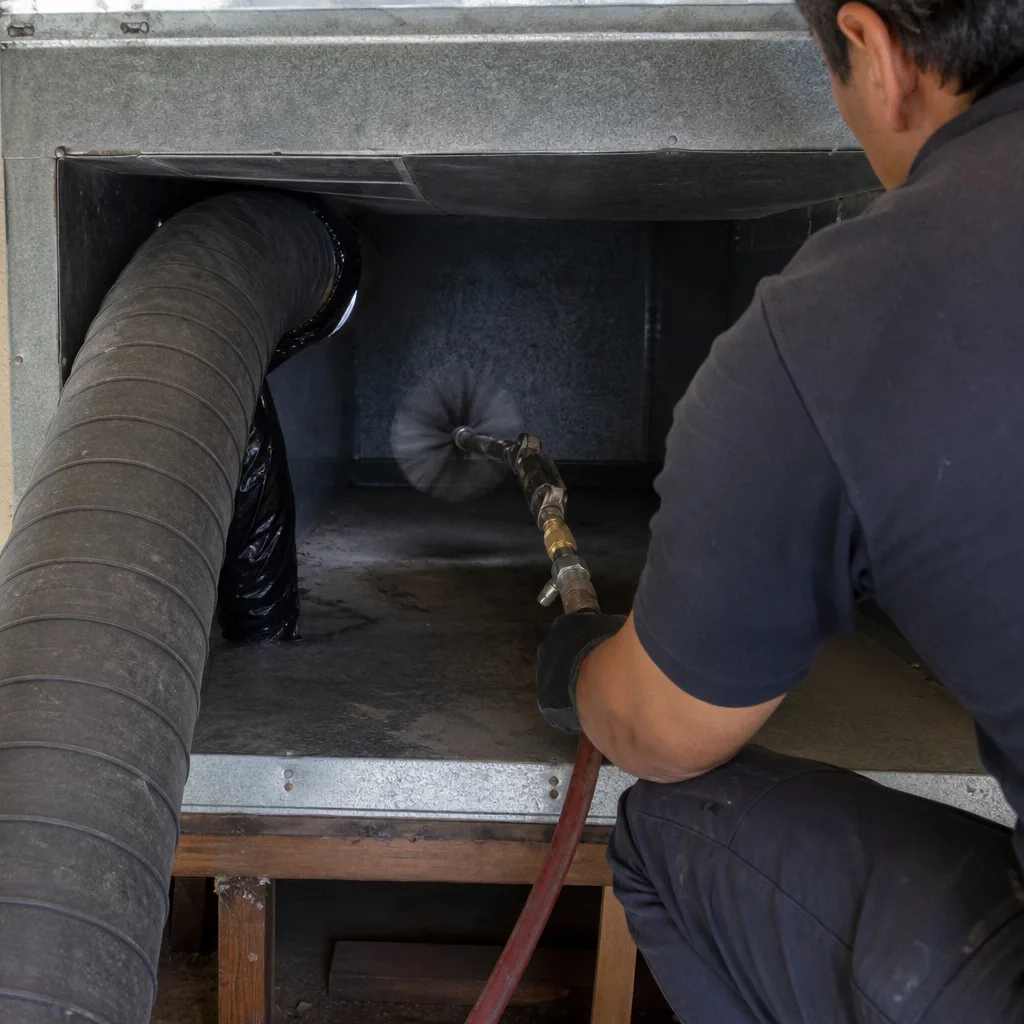
 Whole-home duct cleaning
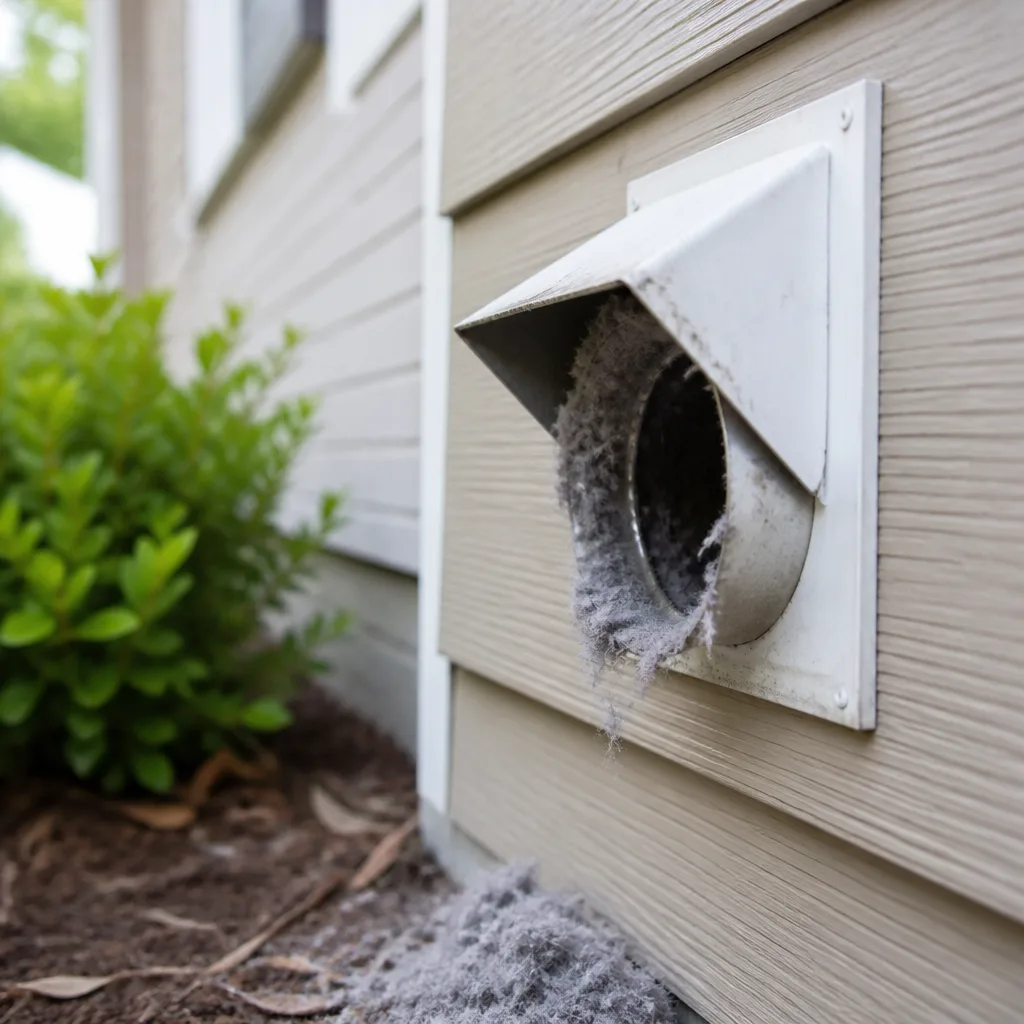 Dryer vent cleaning
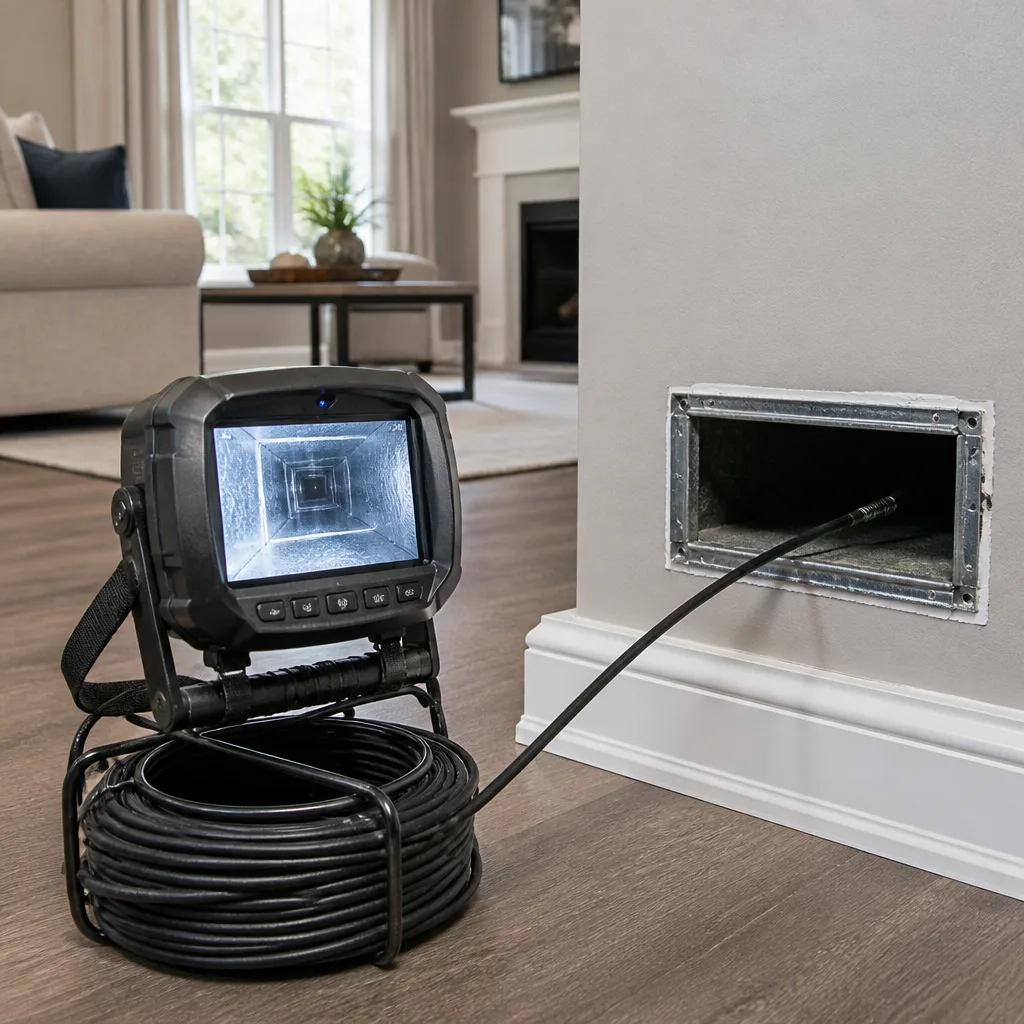 Camera inspection
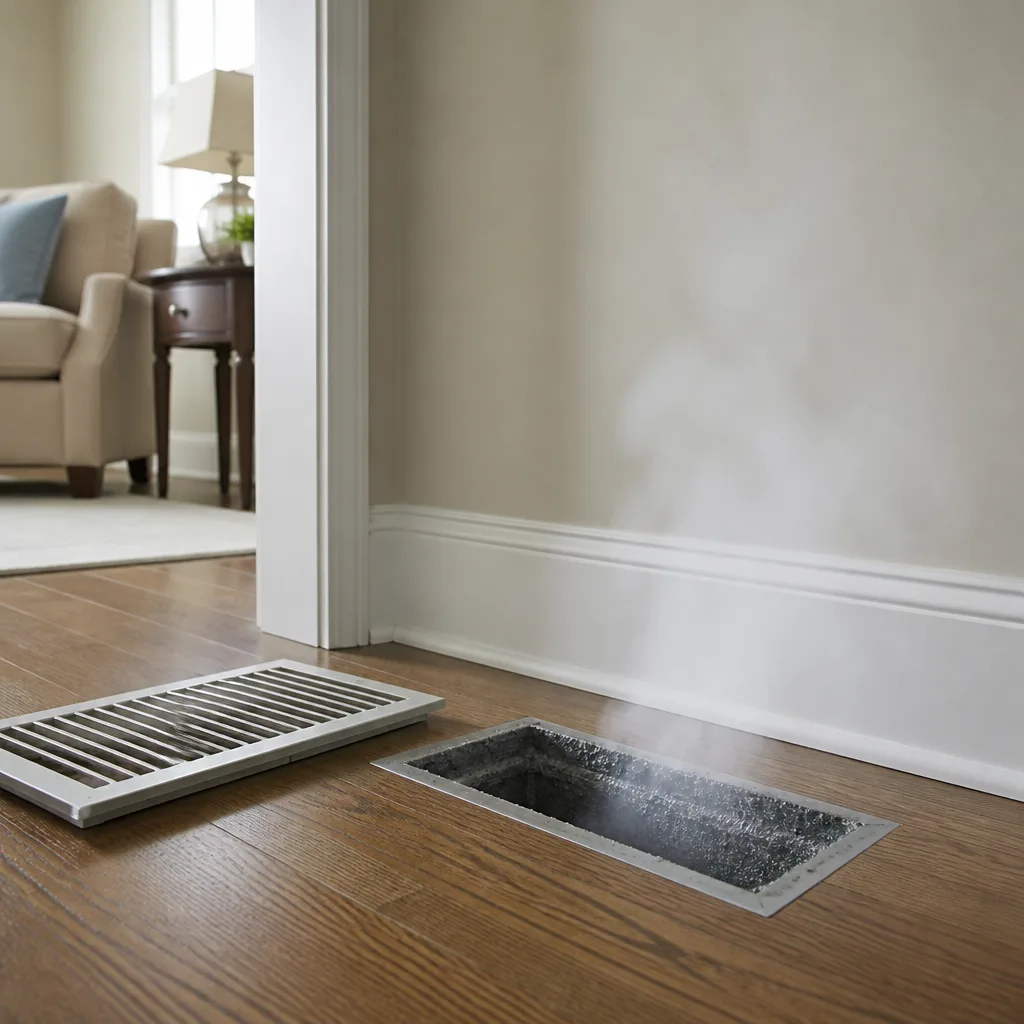 Sanitizing & deodorizing
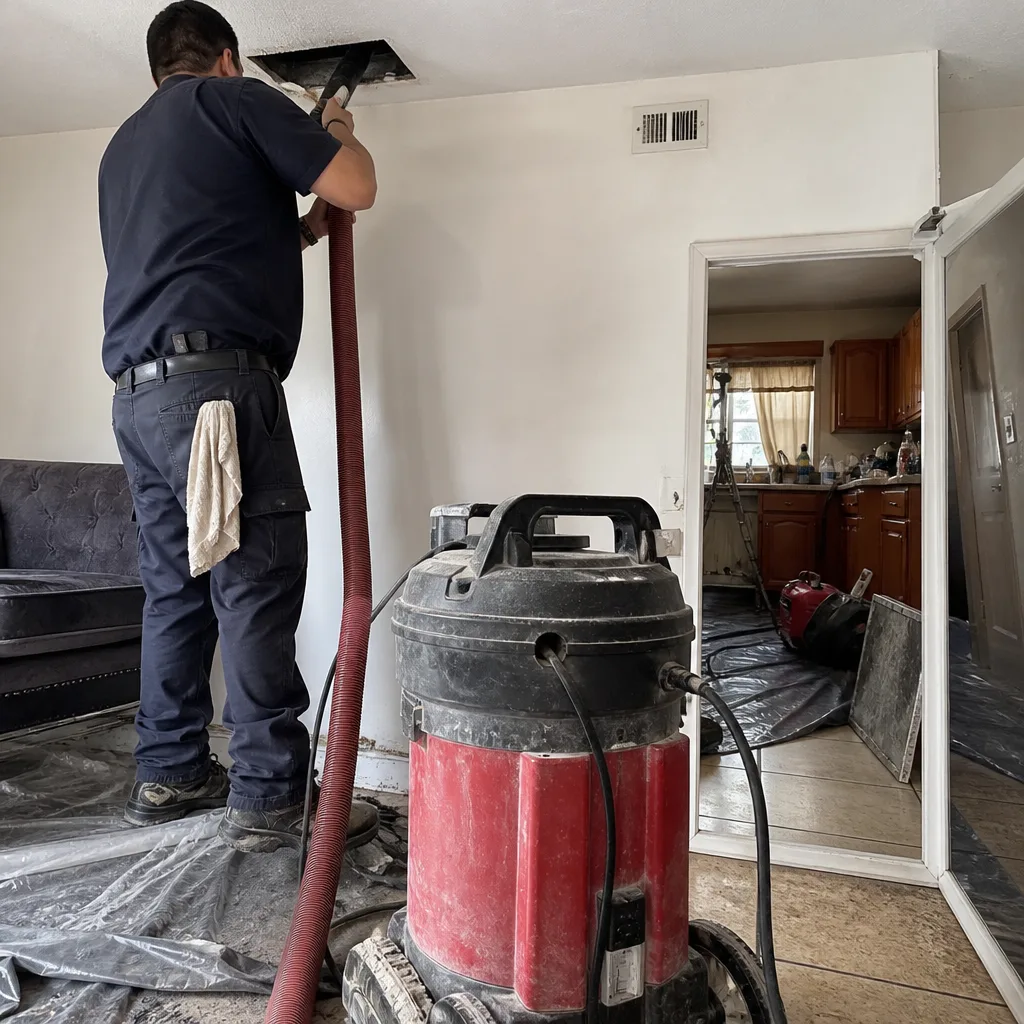
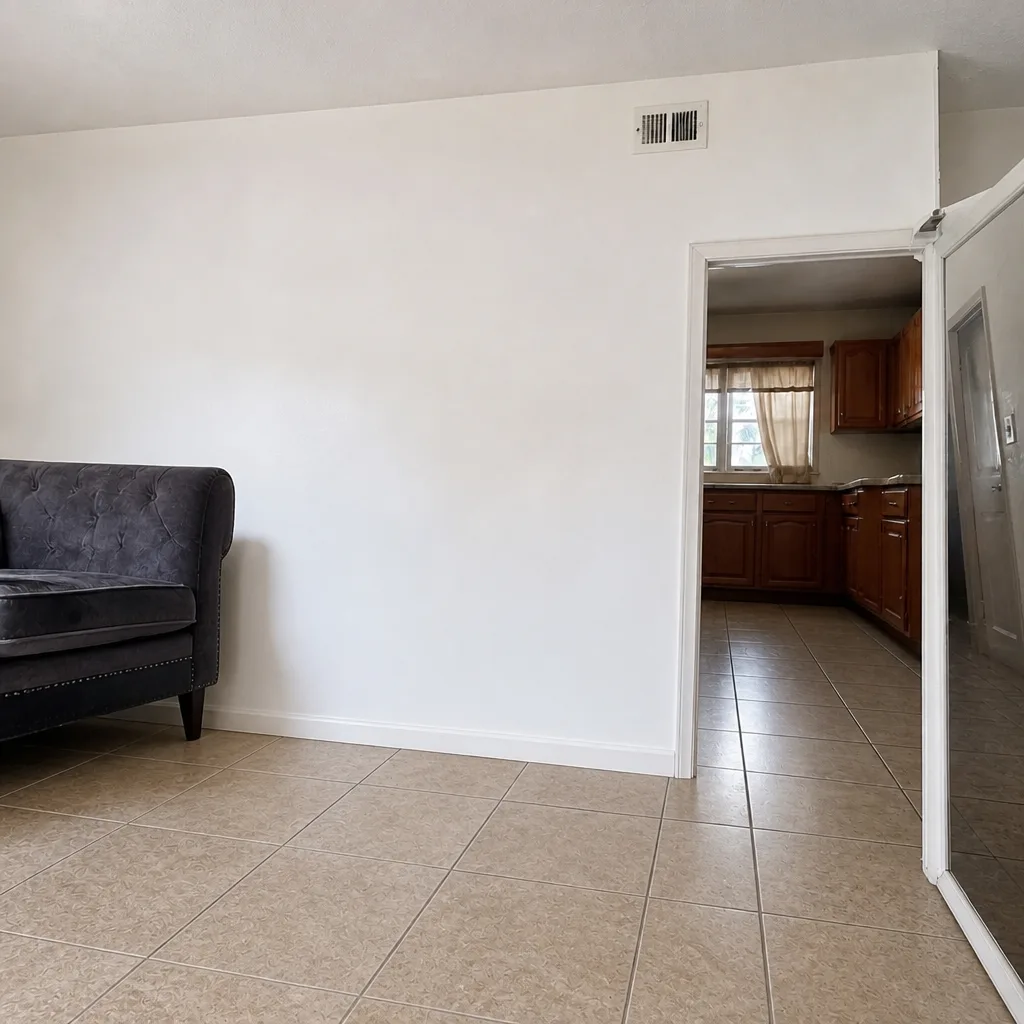
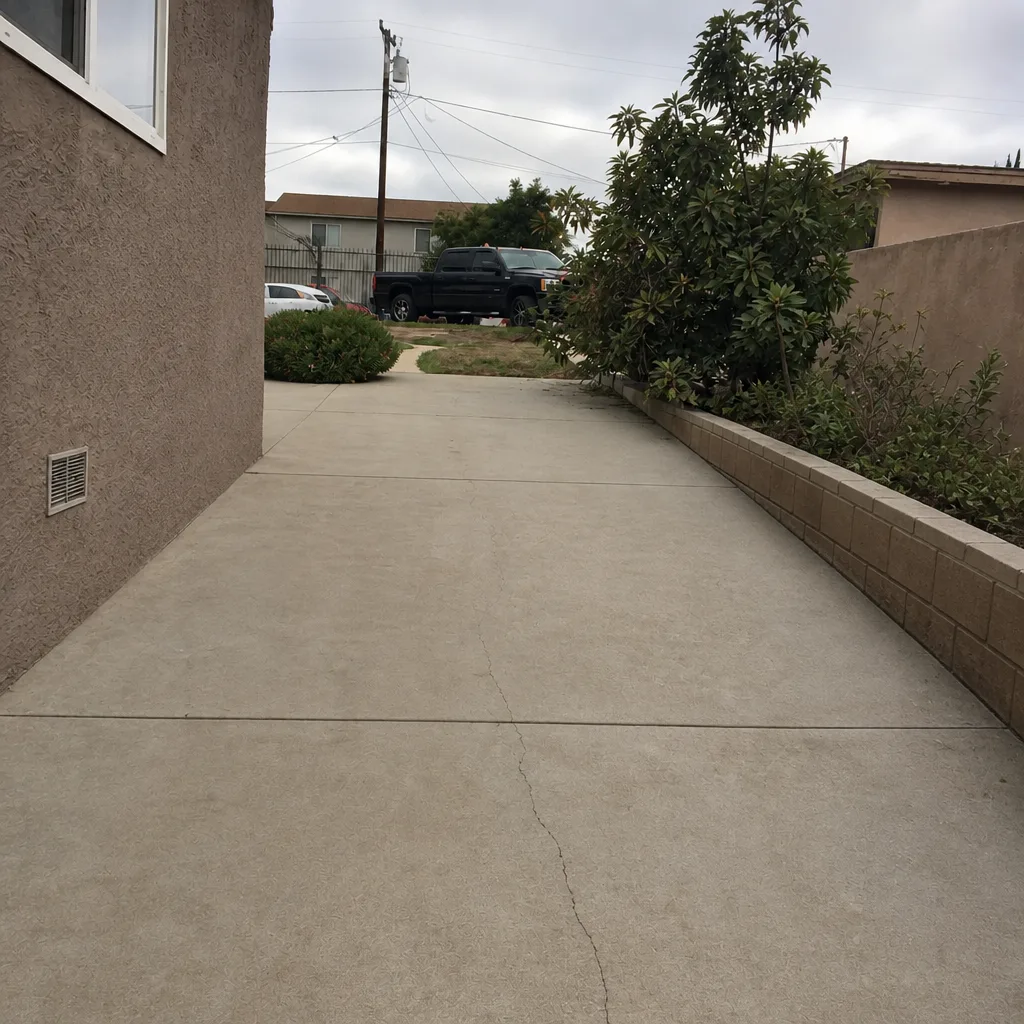
Whole-system duct and dryer vent check with before-and-after photos - you see exactly what came out of your vents
That "$99 whole-house special" is a bait ad - the real number appears once they are in your hallway, or the "clean" is a shop-vac at the register. We photograph the inside of your ducts before and after instead.
Air Duct Cleaning Maintenance Checklist for South Gate Homeowners
Most South Gate homeowners replace their HVAC filter on a rough schedule and assume the ductwork is taking care of itself. That assumption is how a five-minute grille wipe becomes a full contamination job two years later. The return side of a forced-air system runs under negative pressure every time the blower spins up, which means every gap in the duct path is actively pulling air from unconditioned spaces: the attic, the wall cavities, the garage chase. A checklist that only tracks filter changes is tracking one input on a system with a dozen leak points. What follows is a maintenance calendar built around what actually happens to ductwork in South Gate, month by month, with the thresholds that tell you when a homeowner task ends and a professional one begins.
Styles & brands we work with
- Whole-home duct cleaning
- Dryer vent cleaning
- Camera inspection
- Sanitizing & deodorizing
Quick Answer
An air duct cleaning maintenance checklist for South Gate homeowners spans twelve months and ties each task to a local environmental trigger: spring coastal eddy moisture, summer AC load, fall Santa Ana particulate events, and winter heating-system recirculation. The core homeowner tasks are monthly grille inspection, quarterly filter replacement with dated logging, semi-annual condensation and sag checks, and a professional whole-system cleaning when any of five observable indicators appear. The checklist below turns duct care from a forgotten chore into a diagnostic habit that catches leaks, moisture, and contamination before they reach remediation scale.
Table of Contents
- Month-by-Month Duct Maintenance Calendar for South Gate
- The Five Homeowner-Observable Indicators That Belong on Every Inspection
- How to Log Filter Condition So It Becomes a Contamination Trend Line
- When a DIY Grille Cleaning Is Enough, and When It Is Not
- What to Check After HVAC Repair, Attic Work, or Renovation
- Why the Equipment Used on Your Ducts Changes the Outcome
- Common Mistakes to Avoid
- When to Call a Professional
- Frequently Asked Questions
- The Bottom Line
Month-by-Month Duct Maintenance Calendar for South Gate
South Gate does not have a traditional four-season climate. What it has is a three-season air-quality cycle that repeats every year, and the maintenance calendar below is built around that cycle rather than around generic “spring cleaning” advice written for a house in Ohio. The AC system here runs hard from May through October, which means the ductwork spends half the year under sustained negative pressure and continuous airflow. The other half it sits mostly idle, collecting whatever settled during the summer. Each month below names the specific condition to check, why it matters in South Gate, and the action to take.
January: Inspect Return Grilles for Color Change
The heater has been cycling for six to eight weeks by January, and that is enough time for a visible pattern to develop on return grilles. Walk to each return in the house, especially the ones in hallways and near bedrooms, and look at the grille face. If the metal or plastic louvers look darker than they did in November, that is not normal seasonal dust. It is a sign that the return side of the system is pulling air from an unconditioned space: an attic chase, a wall void, or a gap where the return duct connects to the plenum. The grille is acting as a filter for air the system was never supposed to move.
Action: Wipe the grille with a damp cloth, photograph it with your phone, and note the date. If the same grille shows new discoloration within three weeks, there is a return-side leak that a visual inspection will not find. Call a duct professional who can pressure-test the return path.
February: Check Flex Duct Sag in the Attic
Flex duct is common in South Gate homes built in the 1980s and 1990s, and it has a failure mode that is easy to spot if you are willing to look: sag. When the attic heats up during the day, flex duct that was installed with too much slack or with inadequate support straps will droop between hanging points. A sag of more than a few inches creates a low spot where condensation can pool and where airflow velocity drops. In February, the attic is cool enough to inspect comfortably, and the system is still in heating mode, so any sag you find is a static problem, not a temporary heat-related distortion.
Action: From the attic access, check the runs you can reach without stepping off walking boards. Look for ducts that rest on attic insulation or on ceiling joists. They should be fully suspended. A duct that touches a joist in multiple places is rubbing against a surface that will eventually wear through the outer jacket.
March: Coastal Eddy Moisture Check at Registers
March in South Gate brings the start of the coastal eddy cycle, when marine-layer moisture pushes inland in the mornings and burns off by afternoon. Indoor relative humidity rises, and that moisture finds cool surfaces. Your supply registers are cool surfaces. Walk the house in the morning this month and run a finger along the inner edge of each supply register. If you feel dampness, the register boot is not sealed to the drywall, and conditioned air is mixing with humid air inside the wall cavity. That moisture feeds the exact kind of microbial growth that makes duct contamination a health concern rather than a dust concern.
Action: Dry the register and check it again the following morning. Persistent moisture at the same register after two consecutive mornings is a sealing problem. It is fixable with a register boot seal, and it is a small repair compared to what happens if the moisture continues unaddressed through the humid spring months.
April: Grille Cleaning and Filter Baseline
April is the calm before the AC season. The heater has stopped cycling, the air conditioner has not started, and the system is moving minimal air. This is the month to do the detailed grille cleaning that gets skipped the rest of the year, and to establish a filter condition baseline. Remove each return grille, wash it with warm water and mild detergent, let it dry completely, and reinstall it. While the grille is off, look into the visible section of the return duct with a flashlight. You are looking for a gray film on the duct wall. A thin, even film is normal. A thick, textured deposit that looks like felt is not.
Action: Install a fresh filter, write the date on the filter frame with a permanent marker, and photograph it. This photograph is your baseline for the rest of the year. Each subsequent filter change gets compared against it, and the comparison is what tells you whether contamination is entering the system from the return side or the supply side.
May: Pre-Season System Run and Odor Check
The first real AC run of the year usually happens in May, and it comes with a diagnostic signal that most people ignore: odor on first startup. When the air conditioner fires up for the first sustained cooling cycle after months of disuse, the air moving through the ducts will pick up whatever settled in them over the winter. A faint musty smell that disappears after a few minutes is often condensation that dried and re-wetted in the evaporator drain pan. A smell that persists for more than ten minutes, or that smells actively damp rather than merely stale, indicates standing moisture somewhere in the duct path or in the coil housing.
Action: Run the AC for a full twenty minutes with windows open. If the odor clears and does not return on the next cycle, log it and move on. If it returns on the second or third startup, the system needs a professional inspection of the coil and the primary drain line before the heavy cooling season begins.
June: Grille Color Recheck and Static Pressure Awareness
June is the start of peak AC season in South Gate, and the return grilles are working harder than they have all year. The discoloration check from January gets repeated now, with a specific comparison: any grille that is visibly darker in June than it was in April photos is pulling contamination from somewhere. This is also the month to pay attention to the sound of the system. A return grille that whistles, or a bedroom door that pulls shut when the blower starts, is a static pressure signal. The system is starving for return air, and it is pulling from wherever it can find it.
Action: Compare current grille photos to April baselines. Note any door-pull or whistle behavior in your maintenance log. These are the early warnings of a return-side restriction that will eventually deposit debris on the evaporator coil, where it is far more expensive to remove than it would have been to prevent.
July and August: Peak Load Monitoring
The summer peak in South Gate means the system runs for hours every day, and that continuous operation is what turns minor duct problems into major ones. A small return leak that pulled a little attic air in May pulls a lot of it in August. A coil that was slightly dirty in June becomes a frozen coil in August. The homeowner tasks in these months are observational, not hands-on. You are watching for the indicators described in the section below: uneven room pressure, condensation on registers, and grille discoloration. These two months are when those indicators accelerate.
Action: Continue the monthly grille check and filter log. If any of the five indicators from the next section appears during July or August, do not wait for a more convenient season. The system is under maximum load, and every day of deferred attention adds to the eventual cleaning scope.
September: Santa Ana Particulate Preparation
Santa Ana winds typically begin affecting South Gate air quality in September and October. The wind pattern pushes dry, particulate-laden air across the region from the northeast, and that particulate loads outdoor air intakes, window screens, and any HVAC system that draws outdoor air. For a forced-air system, the relevant question is whether your ducts have gaps that allow outdoor air to enter the return path. Santa Ana conditions make those gaps easy to find, because the particulate load is high enough to leave a visible trace.
Action: Inspect the filter at the end of September and note its condition. A filter that is heavily loaded after a normal month is doing its job. A filter that is loaded with fine dust, paired with grilles that show the same fine dust, suggests the return path is drawing unfiltered outdoor air. That is a leak, and it needs professional sealing.
October: Post-Santa Ana Filter Replacement and Duct Assessment
By late October, the Santa Ana episodes have typically passed, and the filter captures the evidence of whether the duct system held up during the particulate season. This is the month for a careful filter change with photographic comparison, and for a decision about professional cleaning. If the filter shows normal loading and the grilles are clean, the system likely held up. If the filter is caked and the grilles are tinted, contamination entered the duct path, and a cleaning is warranted before the heating season begins.
Action: Replace the filter, photograph it against the April baseline, and log the comparison. Schedule a professional air duct cleaning if any two of the five indicators from the checklist below have appeared during the summer.
November and December: Heating Season Recirculation
The heater starts cycling in November, and the ducts carry heated air for the first time in months. The air is dry, and the system is recirculating indoor air almost exclusively, with windows closed against the cooler evenings. This is the season when indoor contaminants concentrate: cooking residue, candle soot, pet dander, and whatever the ducts have been holding. The return grille is the first place this shows up, and it shows up fast.
Action: Repeat the January grille check in December, comparing against October baselines. If the grilles are discoloring faster than they did the previous winter, the contamination load in the ducts increased during the fall, and the system is now pumping that load back into the living space.
The Five Homeowner-Observable Indicators That Belong on Every Inspection
A duct system does not announce its problems with a warning light. It announces them through five observable conditions that any South Gate homeowner can check without tools or training. These five belong on every inspection, every month, because they are the earliest reliable signals that something inside the duct path has changed. They are also the five conditions that professional Duct Cleaning South Gate technicians look for during an assessment, which means a homeowner who tracks them is speaking the same language as the professional who eventually examines the system.
- Grille color change. A return grille that darkens over a few weeks is filtering air that should have been filtered by the HVAC filter. The air is entering the return path downstream of the filter, which means it is coming from an unconditioned space. This is the single most reliable visible indicator of a return-side duct leak.
- Odor on first startup. Stale or musty air in the first minutes of a heating or cooling cycle is the signature of material that has settled in the duct path during the off-cycle. It can be dust, it can be biological growth, or it can be both. The distinction matters less than the presence: healthy ductwork does not smell.
- Visible flex duct sag. Any flex duct that rests on attic insulation or hangs with a sag between support straps is moving air inefficiently and creating a condensation surface. In South Gate’s mild spring and fall humidity, that sag is a moisture collection point. It is a structural issue, not an airflow preference, and it belongs on the inspection list every time the attic is accessible.
- Condensation on registers. A supply register that sweats during cooling season is a sign that conditioned air is leaking around the register boot into the wall cavity, where it meets warm, humid air and condenses. The moisture stays in the cavity, where it feeds mold growth in the drywall and insulation around the duct. It is a small visible symptom with a large hidden consequence.
- Uneven room pressure. Rooms that feel stuffy, doors that drift shut on their own, or a system that seems to heat and cool unevenly all suggest an imbalance in the supply and return duct network. The imbalance can come from a disconnected duct, a crushed run, or a return that is too small for the supply volume. Each of these has a specific repair, and none of them resolves itself.
A homeowner who sees any one of these five should log it with a date and a photo. Two or more appearing within the same season warrants a professional assessment, because multiple indicators usually mean the problem exists on both the supply and return sides of the system, and that is not a condition a filter change will correct.
How to Log Filter Condition So It Becomes a Contamination Trend Line
Most filter replacement habits consist of buying a filter, installing it, and throwing the old one away. That habit creates no record and no diagnostic value. A filter is the cheapest air-quality sensor in any HVAC system, because it captures a sample of everything moving through the return path. The conditioning of that sample, logged consistently, becomes a trend line that tells you whether contamination is entering the system, leaving it, or staying constant. The method below is simple enough to maintain for years and structured enough to be useful when a professional assessment is needed.
- Use a consistent filter type. Pick one MERV rating and one brand style, and use it every time. A MERV-8 filter and a MERV-11 filter capture different particle sizes, which means a visual comparison between two different filters is meaningless. Consistency in the filter makes condition changes meaningful.
- Write the install date on the filter frame. The date belongs on the filter itself, not just in a notebook. When the filter comes out, the date tells you how many months it has been in service, and that is the denominator for contamination rate.
- Photograph the dirty filter against a plain background before disposal. Same angle, same lighting window each time. The camera does not need to be good. The consistency does.
- Note the color and texture pattern in a simple log entry. Three data points per change: overall darkness on a 1-to-5 scale, the location of the heaviest loading (center, edges, one corner), and the presence of any unusual material like visible fibers, insect parts, or moisture staining.
- Compare each change to the previous same-season change. The useful comparison is not April to June. It is April of this year to April of last year. Same season, same system run time, same filter type. A filter that is consistently darker in April of 2026 than it was in April of 2025 shows a contamination trend that a single change cannot reveal.
- Share the log with any duct professional you hire. A technician who sees a three-year filter history with dated photos can read the contamination pattern and target the diagnostic effort. The log turns a one-time assessment into a longitudinal record, and that is exactly what a professional needs to distinguish a persistent leak from a one-time event like a renovation dust load.
Homeowners with Honeywell filtration systems or Aprilaire whole-home units should follow the same method. The filter in a media cabinet does the same sampling work as a one-inch panel filter, and the log works the same way.
When a DIY Grille Cleaning Is Enough, and When It Is Not
There is a line between what a South Gate homeowner can reasonably handle and what requires professional equipment and training. That line lives at the register grille. Everything upstream of the grille face is the duct system. Everything at and in front of the grille face is a homeowner task. The question is knowing which side of the line the problem sits on.
DIY is sufficient when:
- The grille face has light, loose dust that wipes off with a damp cloth and does not return quickly.
- The visible interior of the boot, just inside the register opening, is clean or has only a thin film that wipes away.
- There is no odor, no moisture, and no visible growth anywhere in what you can see.
- The filter is doing its job, with normal loading and no bypass around the edges.
Professional attention is warranted when:
- The grille is discolored by a sticky or greasy film that does not wipe clean, which indicates particulate that has bonded to the surface through moisture or heat.
- The interior of the boot shows a thick felt-like deposit, visible fibers, or any black, green, or gray growth that extends beyond the register opening.
- Odor persists after grille cleaning and filter replacement, which means the source is deeper than the accessible opening.
- Dust reappears on the grille within days of cleaning, which indicates active contamination entering the return path.
- Any of the five indicators from the checklist above appears, because each of them points to a condition that lives inside the ductwork, not at its visible opening.
The practical rule: clean what you can see, and investigate what you cannot. A grille is an access point, not a boundary. When the problem has moved past the grille into the duct itself, the homeowner’s toolset is exhausted, and the next step is professional assessment of the entire run.
What to Check After HVAC Repair, Attic Work, or Renovation
Ductwork is a closed system until something opens it. Any work that disturbs the air pathway, whether it is a coil replacement, a new furnace install, attic insulation, or a bathroom remodel, creates new opportunities for contamination, disconnection, and sealing failure. The weeks after such work are the highest-risk period for duct-system problems to appear. The checklist below covers the specific checks that belong in that window.
After HVAC repair or component replacement:
- Inspect the filter for construction debris. A new coil or blower installation can introduce manufacturing residue, metal shavings, or insulation fibers into the airstream. These show up in the filter within days.
- Check every register for new dust patterns. Work on the air handler can disturb settled dust in the plenum and send it downstream. It should appear once and clear. If it persists beyond two weeks, the work created a new leak or dislodged a connection.
- Listen for new airflow sounds. Whistling at registers, a change in blower pitch, or a new rattle suggests a duct connection was disturbed during the repair and not fully reseated.
After attic work, insulation, or renovation:
- Check flex duct connections at boots and plenums. Attic work routinely bumps flex runs loose. A disconnected boot can run for months before a homeowner notices, pulling attic air into the system the entire time.
- Look for insulation particles at register faces. Blown-in insulation work deposits fine fibers in the attic air, and any gap in the duct path will pull those fibers into the living space.
- Recheck the filter after two weeks of normal operation. A sudden spike in filter loading following renovation is diagnostic evidence that the duct path was breached during the work.
Any of these post-disturbance checks that turns up evidence of a breach is a reason to call for a professional duct inspection before the system normalizes the new contamination into its everyday operation. The earlier the response, the smaller the cleaning scope. This is also the context where dryer vent cleaning becomes relevant for South Gate homes that have had laundry-room renovation work, since a re-routed or reconnected dryer exhaust is a fire-safety concern that deserves its own inspection.
Why the Equipment Used on Your Ducts Changes the Outcome
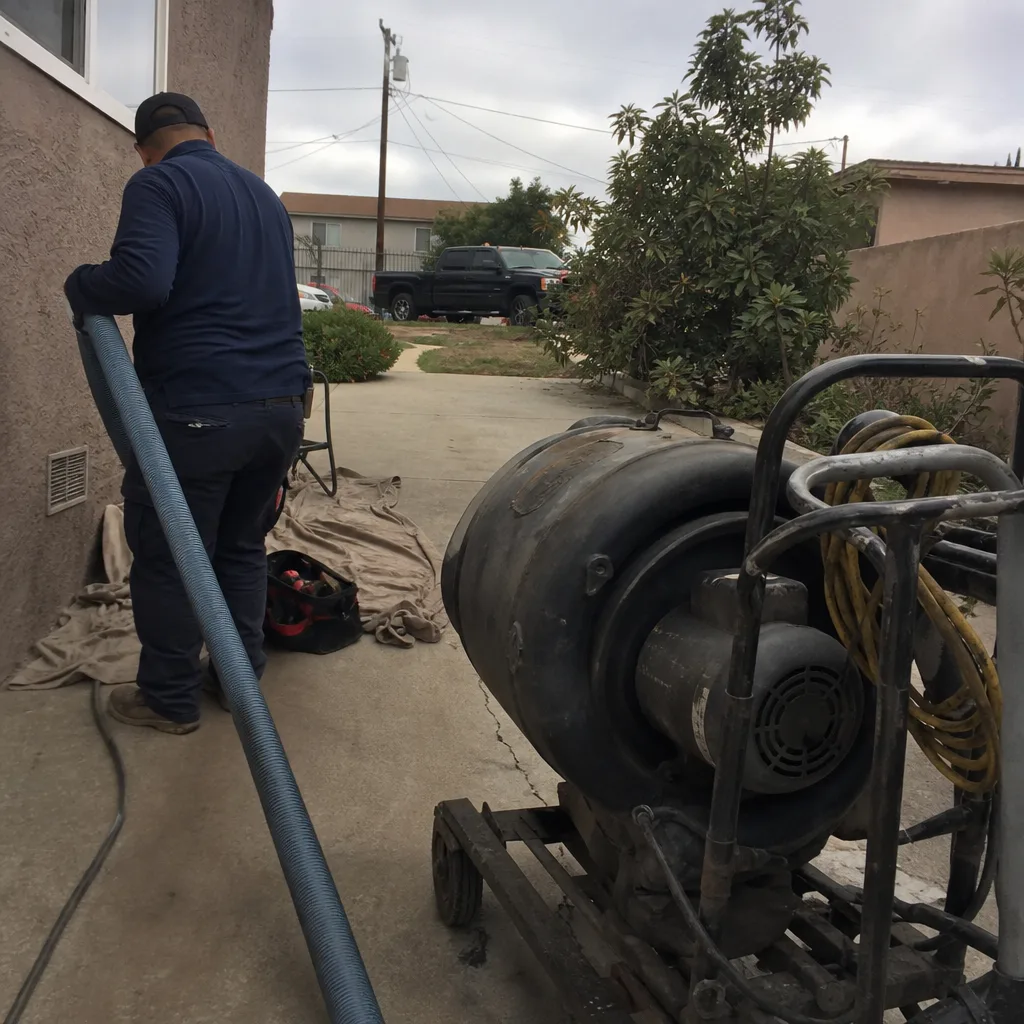
Not all duct cleaning produces the same result, and the difference is the equipment, not the effort. The residential duct-cleaning market is split between what could be called surface cleaning and removal cleaning. Surface cleaning uses a truck-mounted vacuum attached to a hose, pushed through the duct from the register opening. It removes loose debris from the center of the duct passage and leaves behind what is adhered to the duct walls. Removal cleaning uses a rotating brush system to mechanically agitate the duct walls, combined with a high-efficiency vacuum to extract the dislodged particulate, and often involves negative-air containment to prevent the released material from entering the living space.
Duct Cleaning South Gate uses professional contractor-grade equipment, including Rotobrush rotary brush-and-vacuum systems and Nikro HEPA-rated vacuum equipment. The distinction matters because the brush agitation is what separates adhered particulate, including the gray film that forms on duct walls over years of humid air movement and particulate loading, from the duct surface. A vacuum-only pass cannot do that. The HEPA-rated capture component matters because the entire point of cleaning is to remove the particulate from the home, not to suspend it in the living-space air while the cleaning happens. The phrase that captures the standard is: captured, not recirculated.
The same standard applies to the containment approach. Abatement Technologies negative-air containment equipment, borrowed from mold remediation and restoration work, is used by our team to hold the work area under negative pressure while cleaning progresses. This prevents dislodged particulate from migrating into adjacent rooms during the cleaning itself. It is a standard most residential duct cleaning does not meet, because the equipment investment is significant. Equipment you can verify by name is the simplest way to understand what you are paying for: the tool brand is a matter of public record, and any homeowner can research what each system is designed to do. Professional-grade equipment, residential pricing.
We repair ducts, not just clean them. Air duct repair addresses the root causes that cleaning alone cannot fix: disconnected runs, crushed flex, undersized returns, and leaking boots. A cleaned duct that still leaks will re-contaminate within a season. A sealed and repaired duct will hold its cleanliness, because the contamination pathway has been closed. The two services belong together in any serious maintenance plan, and a checklist that treats them as one continuous scope will always outperform a cleaning-only approach.
Common Mistakes to Avoid
- Treating filter replacement as a complete maintenance program. A filter protects the equipment, not the ductwork. It does nothing for the supply side of the system, nothing for leaks, and nothing for the settled material already in the ducts. A South Gate home that runs AC from May through October moves air through the ducts for over 4,000 hours a year, and the filter sees only the return side of that flow.
- Cleaning grilles without logging the condition. A grille that is cleaned and immediately reinstalled leaves no record of whether it was lightly dusty or heavily coated. The unlogged observation is as good as no observation. Photograph before cleaning, not after.
- Ignoring first-startup odor as a seasonal quirk. A musty smell on the first AC cycle of the year is diagnostic information. Ignoring it because it fades after a few minutes is discarding the only symptom the system will give you before the problem spreads.
- Deferring a summer indicator to a more convenient season. Duct problems do not get better with time. A condensation issue spotted in August and deferred to October has had two additional months of moisture feeding into the wall cavity. The cleaning or repair scope grows with every week of delay.
- Assuming a newer home has clean ducts. Construction debris in ductwork is common in new-build and recently renovated South Gate homes, where drywall dust, paint overspray, and sawdust are introduced during construction and never removed before occupancy. The age of the house does not guarantee the cleanliness of the ducts.
- Comparing quotes without knowing the equipment. Two duct-cleaning quotes can differ by hundreds of dollars and appear to describe the same service. One may be a vacuum-only pass and the other a brush-and-HEPA removal with negative-air containment. The equipment is the service. Ask what tools will be used, by brand, and verify what you are told.
- Neglecting the dryer vent while maintaining the HVAC ducts. The dryer exhaust is not part of the HVAC system, but it is part of the home’s air pathway, and it carries a fire risk that the HVAC ducts do not. South Gate homes with interior laundry closets and long exhaust runs are especially prone to lint accumulation that a simple screen cleaning will not address. A clogged dryer vent is a fire risk your HVAC company will not mention, and it belongs on any complete air-system checklist.
When to Call a Professional
A professional assessment is warranted when any single indicator from the five-point checklist appears and does not resolve with basic homeowner attention, or when any two indicators appear in the same season. Specific scenarios that call for professional attention include: persistent condensation at a register through multiple cooling cycles, odor that returns after filter replacement and grille cleaning, flex duct sag visible in the attic, grille discoloration that reappears within weeks of cleaning, and any sudden change in airflow or room pressure following a repair or renovation. Duct Cleaning South Gate offers free estimates in South Gate. Call (855) 925-0879. We answer 24/7. Fast dispatch from 7am to 7pm, Sunday through Friday. A call outside dispatch hours is booked into the next opening, Sunday through Friday, 7am to 7pm.
Frequently Asked Questions
Most South Gate homes benefit from professional air duct cleaning every three to five years, with the interval shortening if the home has pets, recent renovation work, or a smoker in residence. The more useful answer is condition-based: clean when the five observable indicators appear, not on a calendar alone. A home that runs AC heavily from May through October and experiences Santa Ana particulate events in fall may need cleaning more frequently than a home with lighter system use. Schedule an assessment when indicators appear rather than waiting for a fixed date.
Homeowners can effectively clean register grilles and the visible interior of register boots, but cleaning the duct runs themselves requires equipment that is not available at the consumer level. A brush-and-vacuum pass through a full supply and return network needs a rotary brush system that can agitate the duct walls, combined with HEPA-rated capture to prevent the dislodged particulate from entering living spaces. Without that equipment, homeowner attempts at duct cleaning move dust around rather than removing it. The DIY boundary is the grille face; everything beyond it is professional territory.
The price difference reflects the equipment and scope. A low-cost quote often covers a vacuum-only pass through the main trunk lines, with no brush agitation, no HEPA capture, no negative-air containment, and no duct repair assessment. The result is a visible improvement on the day of cleaning followed by re-contamination within months, because the adhered material on the duct walls was never removed and the leaks that admitted it were never identified. Ask any company you are considering what equipment they use, by brand, and whether their scope includes supply and return runs, boots, and plenums. The estimate should answer those questions directly.
Ask for before-and-after photographs of the duct interior from the same location, which is standard practice for a professional team and impossible to fabricate convincingly. A legitimate cleaning also includes an inspection report that notes the condition of the duct runs, any leaks or disconnections found, and the amount of material removed. The best evidence is the visible difference in the photos: clean duct metal has a uniform appearance, while contaminated ducts show the gray or brown film and debris that the cleaning removed.
Duct cleaning can reduce the recirculation of dust, pollen, and particulate that has accumulated in the duct system, which is relevant for South Gate households where the system runs heavily during the spring and fall allergy seasons. The key variable is whether the cleaning includes HEPA-rated capture, because a cleaning that suspends particulate in the living-space air provides no benefit and may temporarily worsen conditions. A cleaning that captures the dislodged material and removes it from the home addresses the recirculation pathway directly. Pairing a professional duct cleaning with a properly maintained filter gives the allergy-sensitive household a measurable reduction in indoor particulate load.
Yes, and doing both in the same visit creates an efficiency that is practical and cost-effective. The dryer vent is a separate system from the HVAC ducts, with its own failure mode: lint accumulation that restricts airflow, overheats the dryer, and creates a fire hazard recognized by national fire safety organizations. South Gate homes with longer dryer exhaust runs or interior laundry closets are especially prone to lint buildup that goes unnoticed because the vent is hidden. Treating the dryer vent as part of the same whole-home air pathway, rather than as an afterthought, is the approach that keeps both systems functioning safely.
The Bottom Line
A duct maintenance checklist for South Gate homeowners is a diagnostic calendar, not a chore list. The tasks are small: inspect grilles, log filter changes, check for sag and condensation, and know the five indicators that signal a problem. The payoff is significant: early intervention when a leak is small, when a condensation point is new, and when a cleaning is still a cleaning rather than a remediation. The checklist above is built around South Gate’s actual air-quality cycle, from June gloom moisture to Santa Ana particulates, and it is designed to work with the way homes here actually run their systems. Keep the log, trust the indicators, and call a professional when the evidence says the problem has moved past the grille.
Written by the team at Duct Cleaning South Gate, serving South Gate since 2013.
See the difference
 Before
 After
 Before
 After
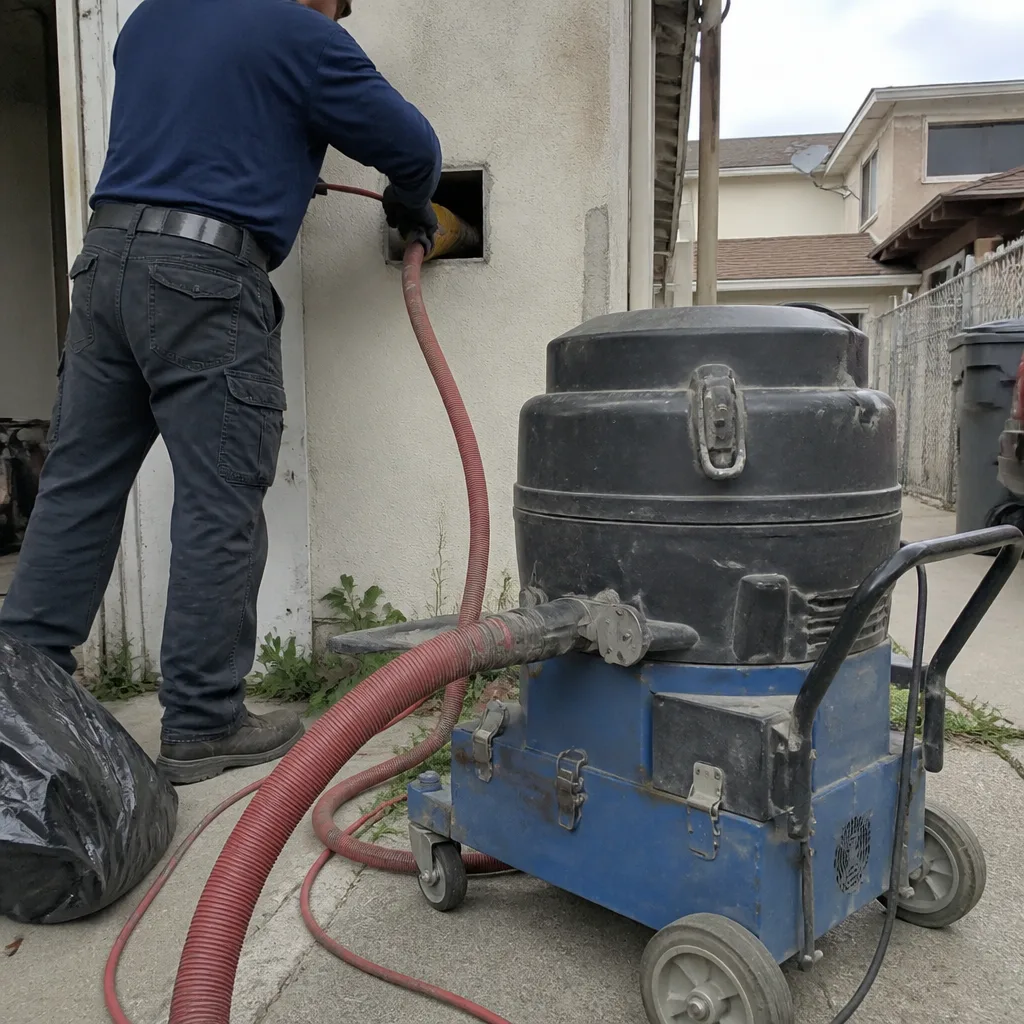 Before
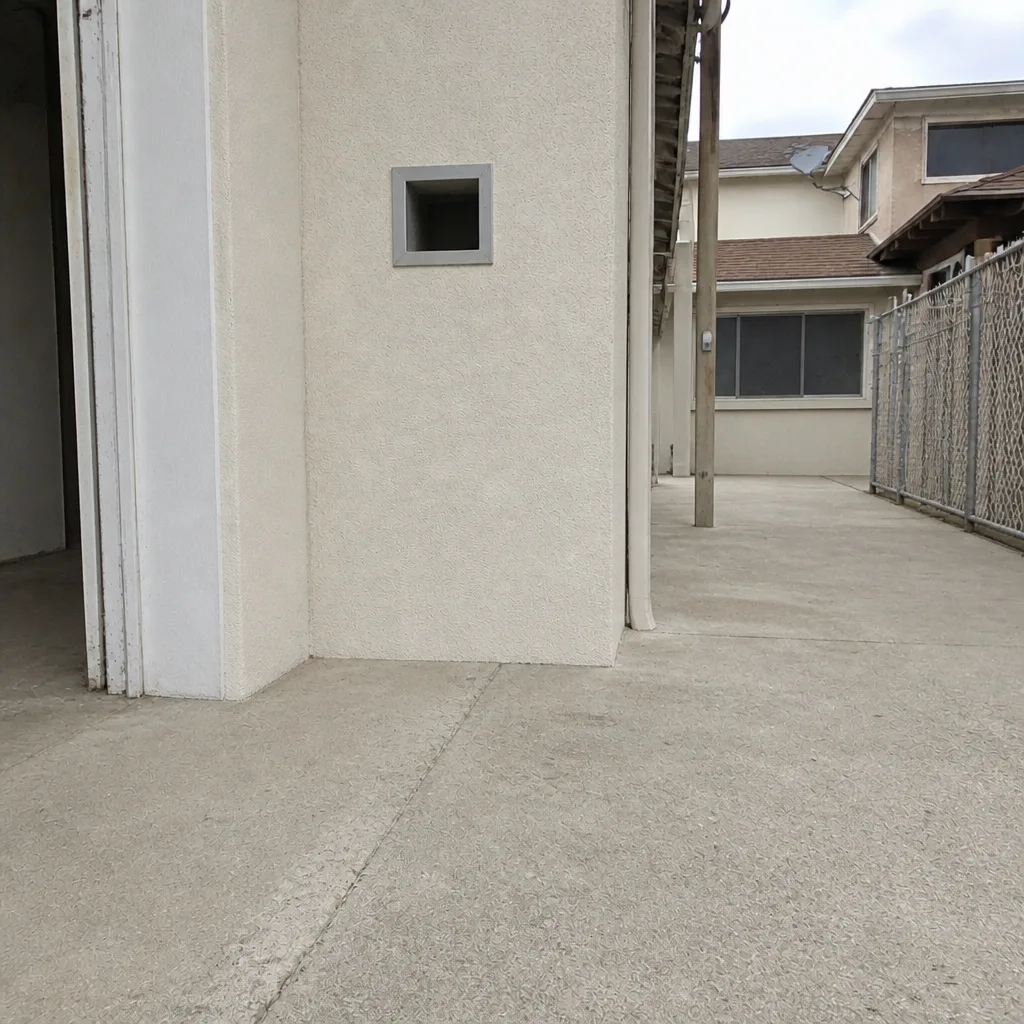 After