
Last updated November 4, 2026
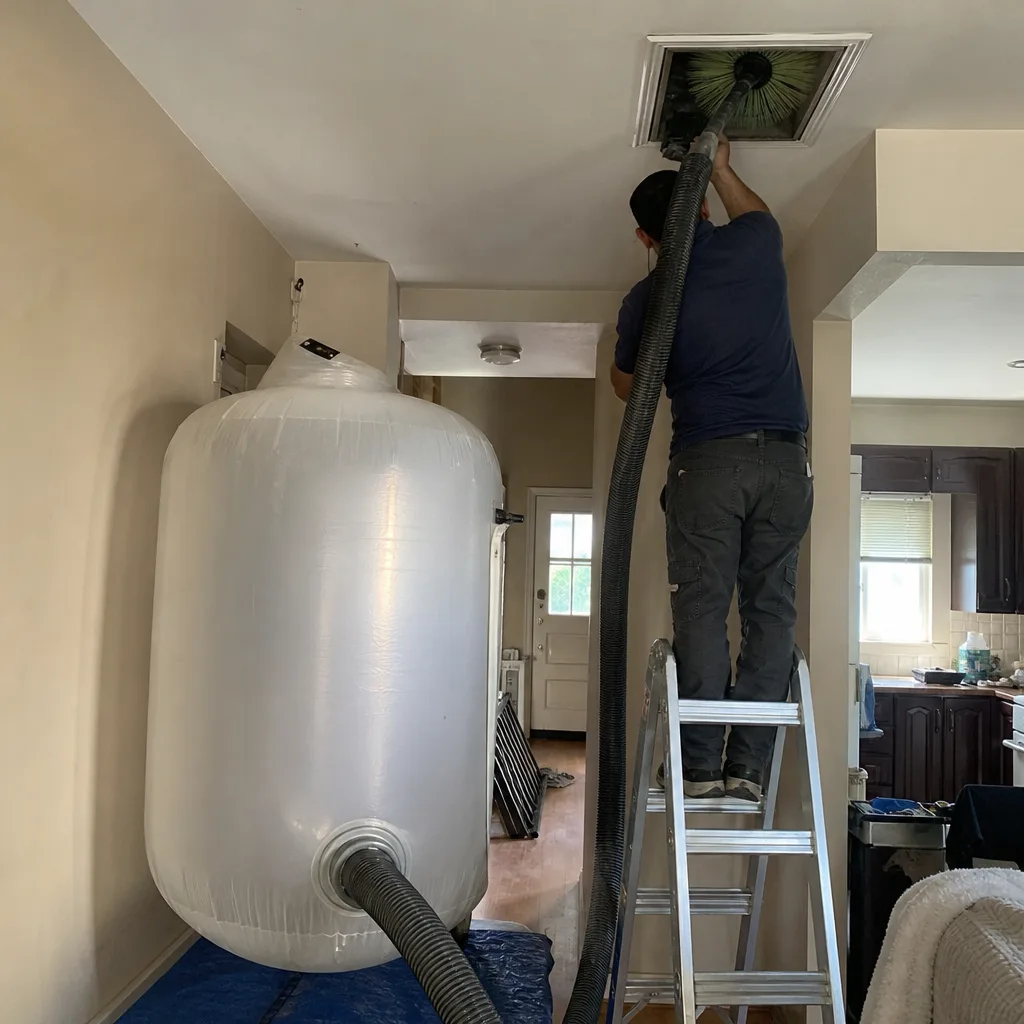
 Whole-home duct cleaning
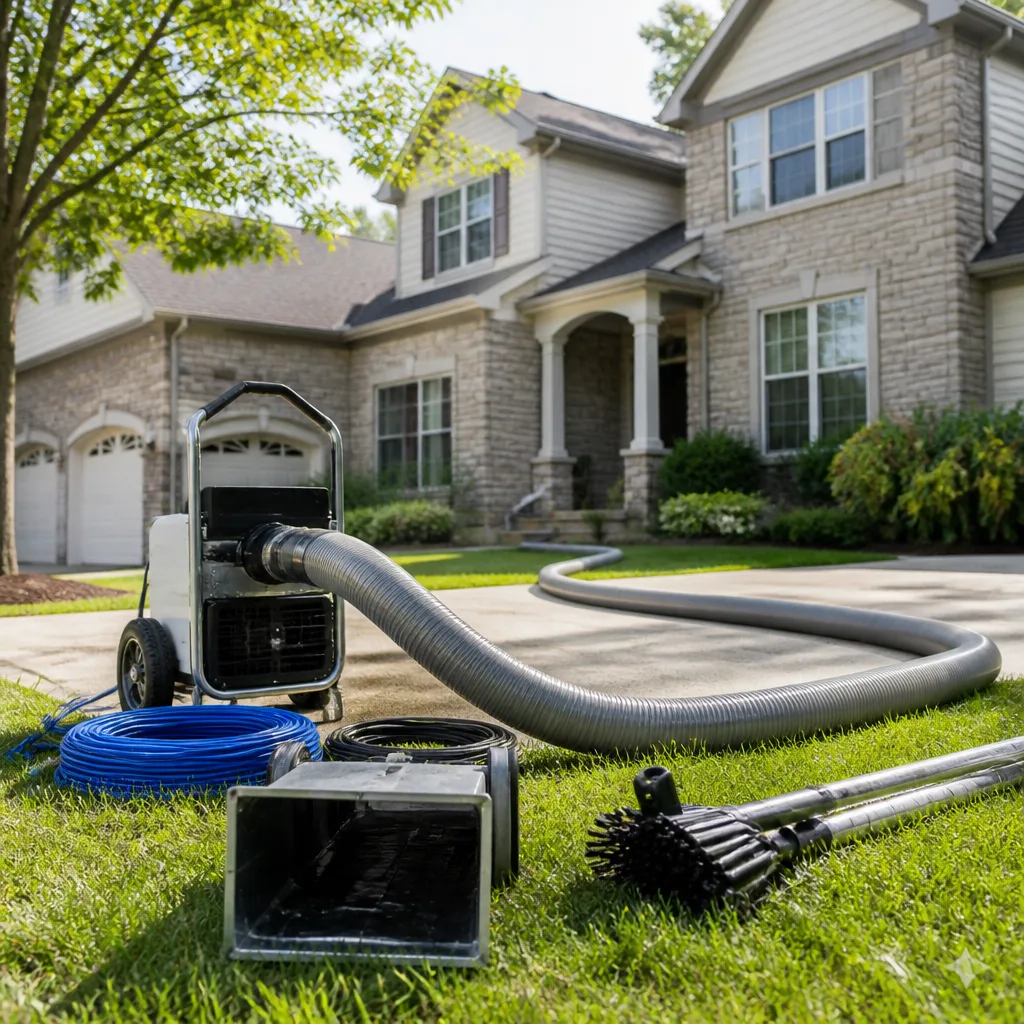
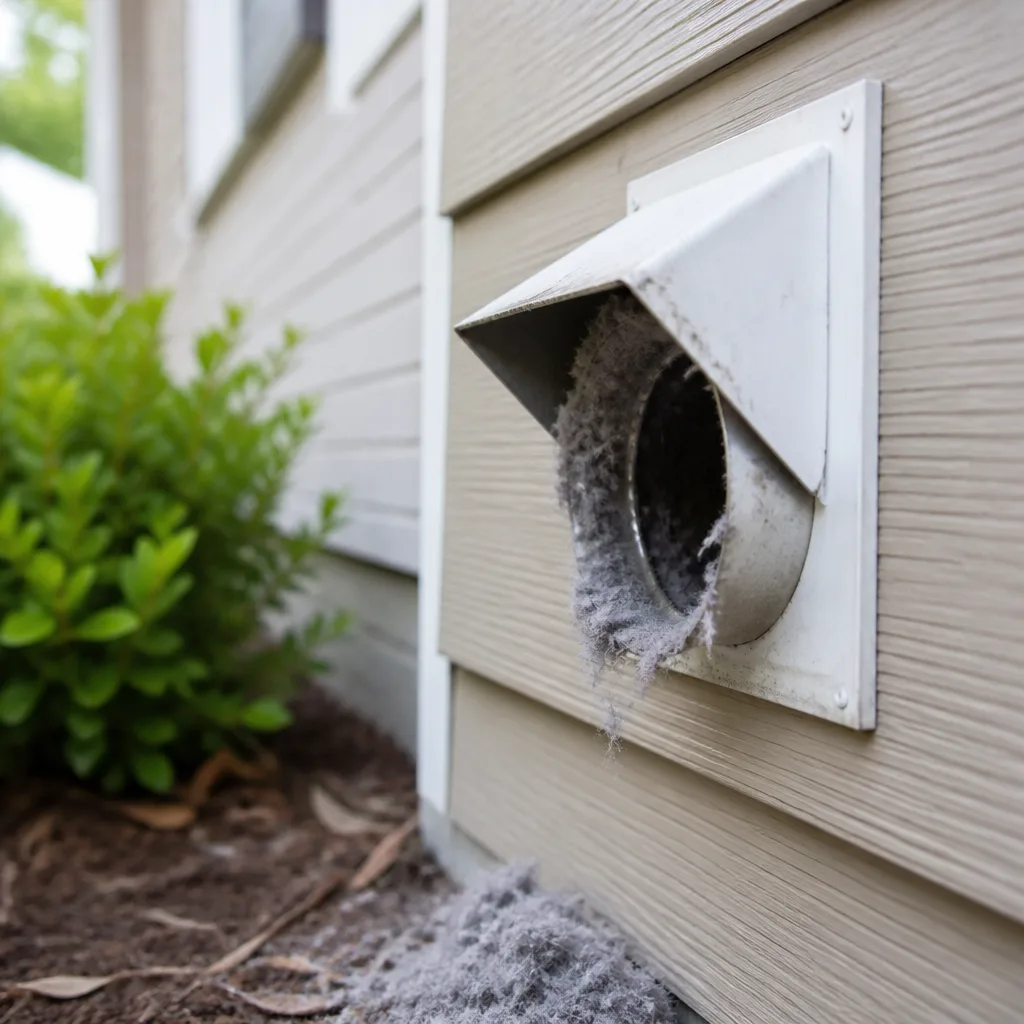 Dryer vent cleaning
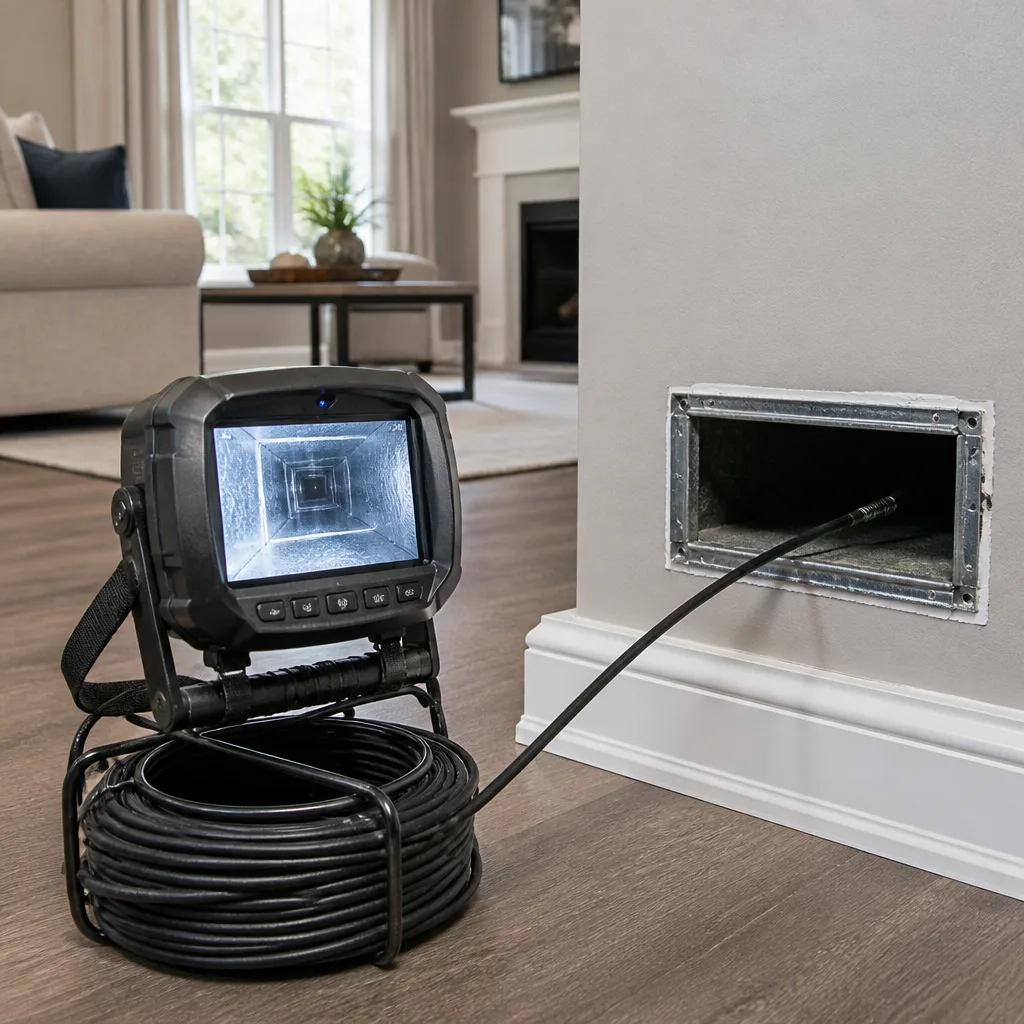 Camera inspection
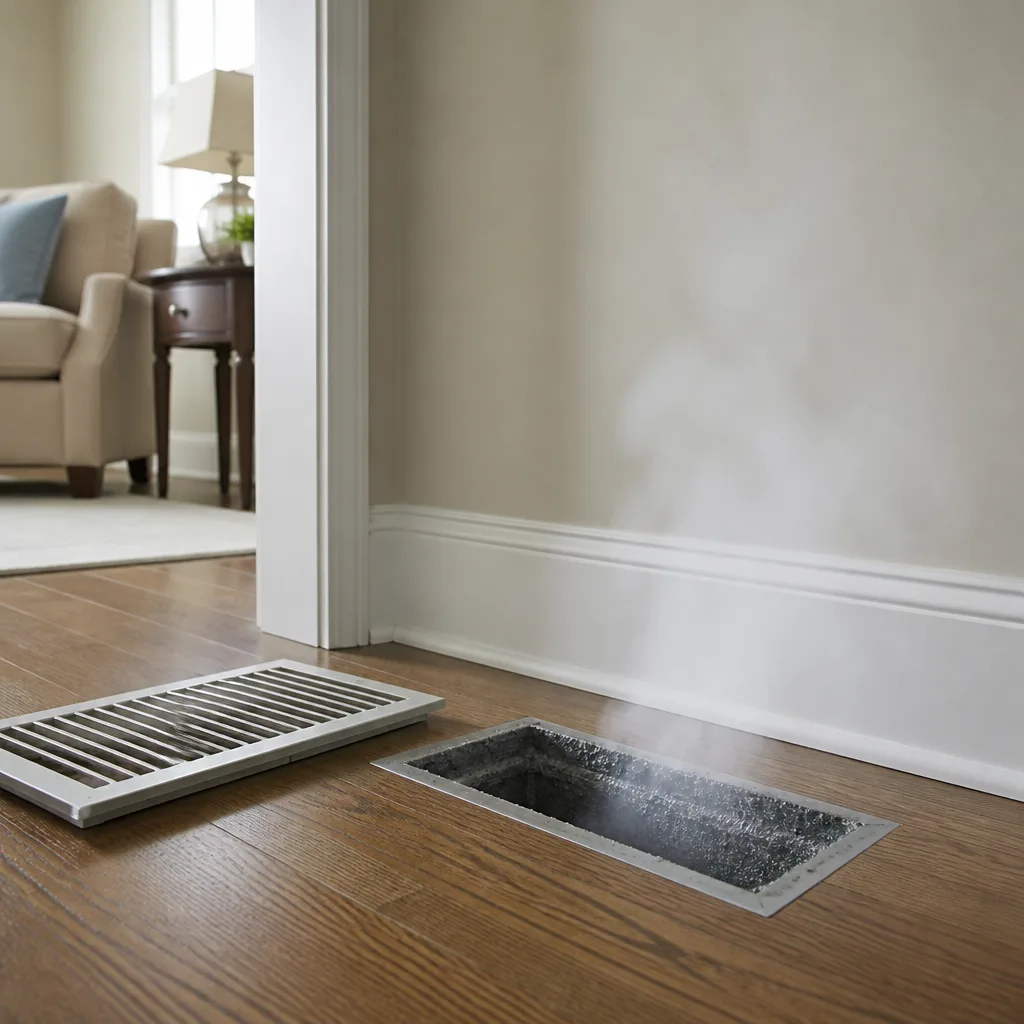 Sanitizing & deodorizing
Whole-system duct and dryer vent check with before-and-after photos - you see exactly what came out of your vents
That "$99 whole-house special" is a bait ad - the real number appears once they are in your hallway, or the "clean" is a shop-vac at the register. We photograph the inside of your ducts before and after instead.
Air Duct Cleaning Permits, Codes & Inspections in South Gate, CA: What You Need to Know
Most homeowners assume that if a service doesn’t require a permit, there are no rules. That assumption works fine until a contractor disturbs forty-year-old duct insulation without an asbestos survey, or installs new registers that should have been signed off by the City of South Gate’s building department. This guide draws the exact lines between duct cleaning, duct repair, and regulated remediation work in South Gate, CA, so you know what requires a permit, what requires a license, and what requires documentation before anyone touches your air system.
Quick Answer
Air duct cleaning itself does not require a permit anywhere in California, including South Gate. However, if the work crosses into duct repair or replacement, a C-20 HVAC contractor license is required, and disturbing pre-1980 duct insulation without an asbestos survey violates Cal/OSHA regulations. Documentation you should always request includes proof of asbestos clearance (for older homes), the contractor’s license number, and written confirmation of what was done to each section of ductwork.
Styles & brands we work with
- Whole-home duct cleaning
- Dryer vent cleaning
- Camera inspection
- Sanitizing & deodorizing
Table of Contents
- Does Air Duct Cleaning Require a Permit in South Gate?
- When Duct Cleaning Becomes Duct Repair: License Boundaries
- Asbestos in Pre-1980 Duct Insulation: Cal/OSHA 1529
- Title 8 and South Coast AQMD: Containment Rules That Affect Your Home
- South Gate Building Department Touchpoints: Registers, Grilles, and Sign-Offs
- What Documentation to Demand Before Work Begins
- Seven Steps to a Code-Compliant Duct Cleaning Project
Does Air Duct Cleaning Require a Permit in South Gate?
No. Air duct cleaning, when performed as a maintenance service on existing residential ductwork, does not require a building permit from the City of South Gate. The work takes place inside the existing HVAC system: access panels are opened, the interior surfaces of supply and return ducts are agitated and vacuumed, and the panels are resealed. Nothing structural changes. No walls come down. No new equipment is installed. The California Building Code treats this the same way it treats carpet cleaning or window washing: a service, not a construction project.
But here’s where South Gate homeowners get into trouble. The moment a technician modifies the duct system itself, the project can drift into regulated territory. Replacing a rusted section of duct, adding a new branch line, relocating a return, or installing new registers with duct boot modifications are all alterations. Those changes can affect airflow, fire-rated assemblies, and energy code compliance. When that line is crossed, the work stops being maintenance and starts being mechanical installation, which carries its own licensing and permitting requirements.
The practical rule: if the job only removes debris from the inside of existing ducts, no permit. If the job changes the ducts, repair or replace anything, or alters how air moves through the home, stop and ask for the contractor’s C-20 license and whether a permit is required. Any contractor who waves this off should not be doing the work.
When Duct Cleaning Becomes Duct Repair: License Boundaries
California licensing law draws a specific line between cleaning and repair. A company that only cleans ducts does not need an HVAC contractor license. A company that repairs or replaces ducts must hold a C-20 Warm-Air Heating, Ventilating and Air-Conditioning Contractor license issued by the Contractors State License Board. There is no middle ground.
This matters in South Gate because the city’s housing stock skews older, and older duct systems rarely emerge from decades of service without issues. Disconnected sections, crushed returns, rusted-out boots, separated joints, and torn flex duct are common findings once the debris is removed and the system can actually be seen. A cleaning-only company that “patches things up” with foil tape or sheet metal screws may be performing repair work without a license to do so.
The distinction is not academic. Unlicensed repair work on a forced-air system can create airflow imbalances, backdrafting risks on gas appliances, and leakage that pulls attic air into the conditioned space. If a problem surfaces later, the homeowner may have no recourse through the CSLB because the person who did the work was never authorized to do it.
Here’s the license boundary in plain terms:
- Cleaning only: no C-20 license required. Includes vacuuming, brushing, wiping accessible surfaces, and sanitizing existing ducts where allowed by product labeling.
- Repair: C-20 license required. Includes replacing duct sections, resealing joints with mastic or approved tape, reattaching disconnected ducts, and modifying boots or plenums.
- Replacement: C-20 license required. Includes installing new duct runs, enlarging or relocating returns, and replacing supply branches.
- New installation: C-20 license plus a permit from the City of South Gate. Includes adding a room to the system, installing a new return, or reconfiguring duct layout.
We repair ducts, not just clean them. That means our scope includes work that requires a C-20 license, and that license should be verified on the Contractors State License Board website before any repair begins. A legitimate contractor will not hesitate to show you the number. A company that hedges, says “we have a guy,” or insists it is all the same thing, is telling you something useful about how the job will go.
Asbestos in Pre-1980 Duct Insulation: Cal/OSHA 1529
South Gate grew substantially between the 1940s and 1970s. A large share of the single-family homes in this city were built during that window, which means a large share of the ductwork is wrapped in insulation manufactured before asbestos was banned from most building products. That insulation sits on the outside of ducts, often in attics and crawl spaces, and it does not need to be touched during a standard cleaning. But it does need to be recognized.
Cal/OSHA regulation 1529 governs asbestos in construction and maintenance work, including residential work performed by paid contractors. If a contractor will “disturb” more than 100 square feet of asbestos-containing material, or will disturb any amount in a way that creates dust or debris, an asbestos survey is required first. Disturbance includes cutting, scraping, drilling, removing, or aggressively contacting the material. Fiberglass and foil-faced insulation from this era may also contain asbestos in the paper backing or the tape used at joints.
What this means for a South Gate homeowner: if your home was built before 1980 and your ducts are wrapped in insulation that has never been tested, a contractor who plans to cut into that insulation, remove it, or work around it aggressively should show you a survey from a certified asbestos consultant stating the material is non-asbestos or the work plan for handling it.
Most duct cleaning operators are not licensed asbestos contractors. They cannot legally remove asbestos-containing insulation. That scope belongs to a Cal/OSHA-registered asbestos abatement contractor. The problem is that some operators will not mention this. The job gets quoted, the crew arrives, the insulation is in the way, and a decision gets made on the spot. By then the dust may already be in the attic air, the return duct, and eventually the living space.
What a homeowner should demand in writing before any pre-1980 duct system is disturbed:
- An asbestos survey if the work will contact duct insulation, duct tape, or duct mastic from the original installation.
- Written confirmation of which specific materials were tested and what the laboratory results showed.
- If asbestos is present: a written plan identifying who will handle the abatement, under what Cal/OSHA registration, and what clearance testing will follow.
If a contractor cannot produce these documents, the safest move is to stop the project before the insulation is disturbed. The cost of a survey is measured in hundreds of dollars. The cost of asbestos remediation after improper disturbance is measured in thousands.
Title 8 and South Coast AQMD: Containment Rules That Affect Your Home
California’s Title 8 regulations and the South Coast Air Quality Management District (SCAQMD), which has jurisdiction over South Gate, both address particulate control during work that generates dust. For duct cleaning, the practical requirement is this: debris dislodged from inside the ducts must be captured and contained, not released into the living space or blown out of the house. The method matters.
Budget duct cleaning operations often use a truck-mounted vacuum that pulls from one access point while the crew cuts additional holes and uses compressed air to blast debris toward the vacuum. This creates negative pressure inside the ducts but does little to contain what escapes when access doors are opened or when the vacuum side cannot keep up. In a South Gate home where the furnace closet opens into a hallway, that means whatever was in the ducts can end up in the hallway air.
Containment-grade negative air is a different standard. This approach uses a HEPA-filtered air scrubber running continuously in the work area, pulling air from the surrounding rooms and exhausting it through HEPA filtration to the exterior. The area stays under negative pressure, so airborne particulates flow toward the capture point rather than drifting through doorways and into bedrooms. Abatement Technologies builds the containment equipment used in mold and restoration work, and the same principle applies when the ducts are being aggressively agitated.
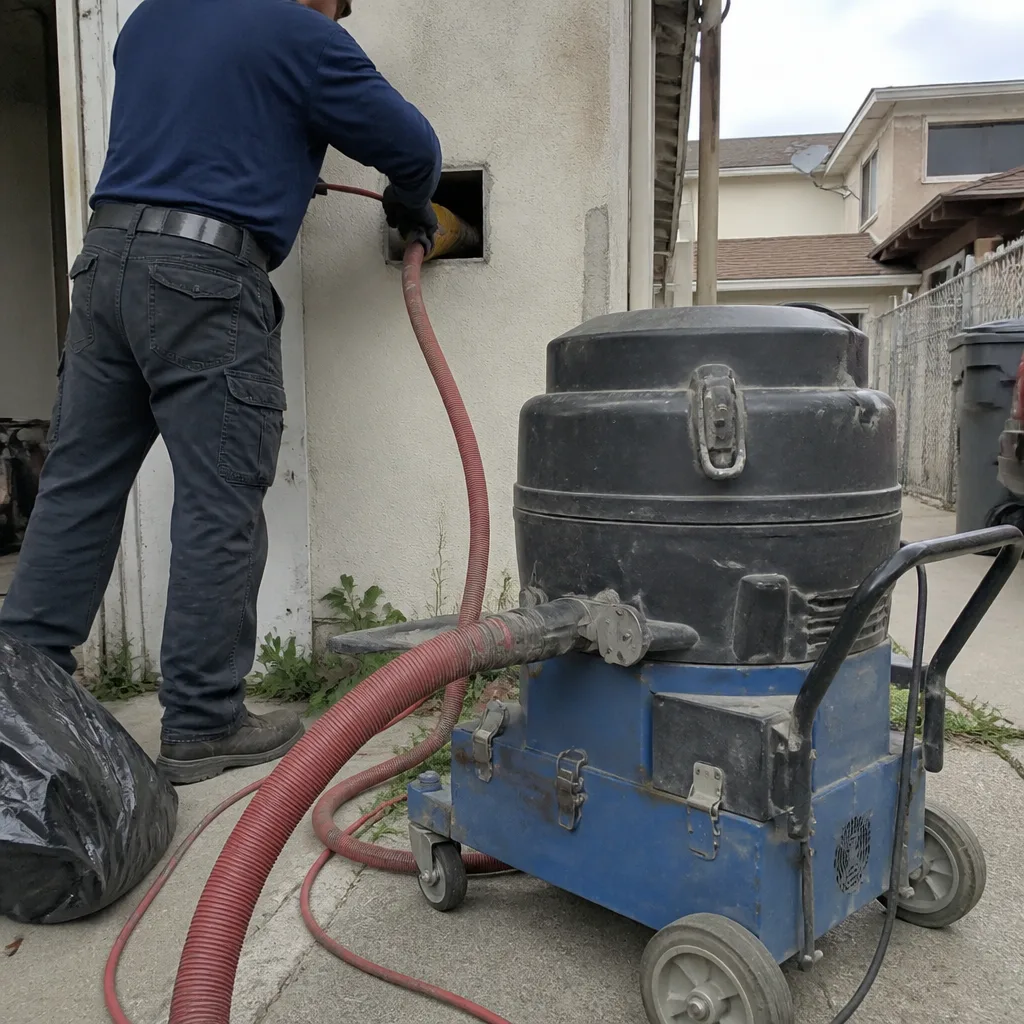
Equipment you can verify by name matters here. Rotobrush rotary brush systems agitate and extract debris from the duct walls rather than just vacuuming the center of the duct. Nikro HEPA-rated vacuums ensure that particulates dislodged during cleaning are captured, not recirculated. Together they give the homeowner a way to check whether the company’s containment claims are real: look up the equipment.
SCAQMD also regulates the release of dust to the outside air in many circumstances. A duct cleaning operation that exhausts unfiltered duct debris to the exterior from a South Gate rooftop or side yard may run afoul of nuisance dust rules, depending on what is in that exhaust stream and how much of it leaves the property. A contractor who uses HEPA filtration on the exhaust side avoids this entirely.
South Gate Building Department Touchpoints: Registers, Grilles, and Sign-Offs
South Gate’s building department does not need to be involved in a standard duct cleaning. But there are two specific situations where the city becomes part of the picture, and homeowners should know both.
The first is register and grille replacement that changes the opening size. Swapping a floor register for a decorative one of the same dimensions is cosmetic. Enlarging the opening, relocating the register, or adding a new supply run to serve a room that was not heated or cooled before is a mechanical alteration. In South Gate, as in most California cities, that kind of change can require a mechanical permit and an inspection sign-off. The reason is not bureaucratic. New openings change the balance of the system, and an improperly sized or placed opening can starve other rooms of airflow or create pressure conditions that interfere with gas appliance combustion air.
The second is drywall or framing work done to access the ducts. If a contractor cuts into a wall or ceiling to reach a duct, that work may trigger a building permit if it affects structural members or fire-rated assemblies. Most duct access in South Gate homes comes through existing register openings, attic accesses, or the furnace plenum, so this is uncommon. When it does happen, the contractor should be the one pulling the permit, and the homeowner should confirm the permit number before drywall goes back up.
Before any duct work that involves more than cleaning, call the City of South Gate Building and Safety Division and describe what is planned. City staff can tell you whether the scope triggers a permit. The call costs nothing, and the answer protects you from the most common aftermath problem we see: work completed without a permit, discovered later when the house is sold and the inspection report flags unpermitted mechanical alterations.
What Documentation to Demand Before Work Begins
Documentation is the homeowner’s only real protection if contamination or code issues surface later. The following items should be requested before any duct cleaning, dryer vent cleaning, or duct repair begins in a South Gate home:
- Proof of contractor licensing for any repair or replacement scope. Verify the license number on the CSLB website. The name on the license should match the company on your estimate.
- Asbestos survey results for pre-1980 homes if any insulation, tape, or mastic will be disturbed. The survey should be site-specific, not a generic statement that “asbestos is unlikely.”
- Equipment list in writing. The estimate should name the equipment that will be used: rotary brush system, HEPA vacuum, negative-air machine. Vague language like “professional equipment” does not tell you anything. Equipment you can verify by name tells you what to expect.
- Scope of work, section by section. “Duct cleaning” can mean one access hole and a shop vac, or it can mean every supply and return branch accessed, agitated, and extracted. The estimate should state which sections will be cleaned and how access will be achieved.
- Before-and-after photo policy. A legitimate contractor will photograph the interior of the ducts before and after. This is your proof that the work happened, and it is the single best protection against the industry’s bait-and-switch reputation.
- Written confirmation of permit status. If the scope includes repair, replacement, or new register work, the estimate should state whether a permit is required and who will pull it.
This is not paperwork for its own sake. California’s Contractors State License Board resolves disputes based on what was written down before work began. Oral promises carry little weight in a complaint. A contractor who resists documenting the scope is telling you how the job will be handled if something goes wrong.
Seven Steps to a Code-Compliant Duct Cleaning Project
For the South Gate homeowner who wants to move through this process carefully, here is the full sequence:
- Determine the age of the duct system. If the home was built before 1980 and the ducts are still original, assume asbestos may be present in the insulation until proven otherwise.
- Get a written scope. Ask for a line-by-line description of what will be cleaned, what equipment will be used, and whether any repair is anticipated.
- Check the license if repair is in scope. If the estimate includes any duct repair or replacement, verify the C-20 license with the CSLB before signing anything.
- Ask about the containment method. The answer should name specific equipment. “We use a big vacuum” is not a containment method. HEPA-filtered negative air is the standard to look for on older South Gate homes with visible dust concerns.
- Confirm the asbestos question in writing. For pre-1980 homes, get confirmation that no asbestos-containing material will be disturbed, or that a survey has been completed and the material cleared.
- Check with the City of South Gate if anything structural changes. New registers, cut openings, or duct reconfiguration should get a building department call before the work proceeds.
- Get the photo record afterward. Before-and-after photos of the duct interior document what was done and support the invoice if any question arises later.
Common Mistakes to Avoid
- Assuming a permit is required for everything. Duct cleaning does not need one. Paying a contractor extra to “get a permit” for a standard cleaning is money wasted on a permit that was never needed.
- Assuming no permit is ever required. The moment the scope touches duct repair, replacement, or new register installation, South Gate’s building department may need to be involved. Skipping that step is how South Gate homes end up with unpermitted mechanical work discovered at resale.
- Letting a cleaning-only contractor do repair work. If the crew that shows up does not hold a C-20 license, their legal scope stops at cleaning. Letting them seal ducts, replace sections, or reconfigure returns means unlicensed mechanical work on your most important home system.
- Ignoring the age of the duct insulation. Pre-1980 insulation on South Gate ductwork is common. Disturbing it without a survey is a Cal/OSHA violation, and the homeowner may end up carrying the abatement cost.
- Focusing on price instead of scope. Two estimates can both say “duct cleaning” and describe entirely different jobs. The lower-priced one that uses a basic vacuum on the center of the duct and skips the branch runs is not the same service as a full-system agitation and extraction with HEPA capture.
- Failing to photograph before and after. If no one documented the interior of the ducts, the homeowner cannot prove the service was actually performed. The before-and-after photos are the verification system.
- Trusting equipment claims without checking. Professional-grade Rotobrush and Nikro equipment signals contractor-level capability. A generic truck-mount blower does not. Homeowners in South Gate should know what is going into their ducts and why it matters.
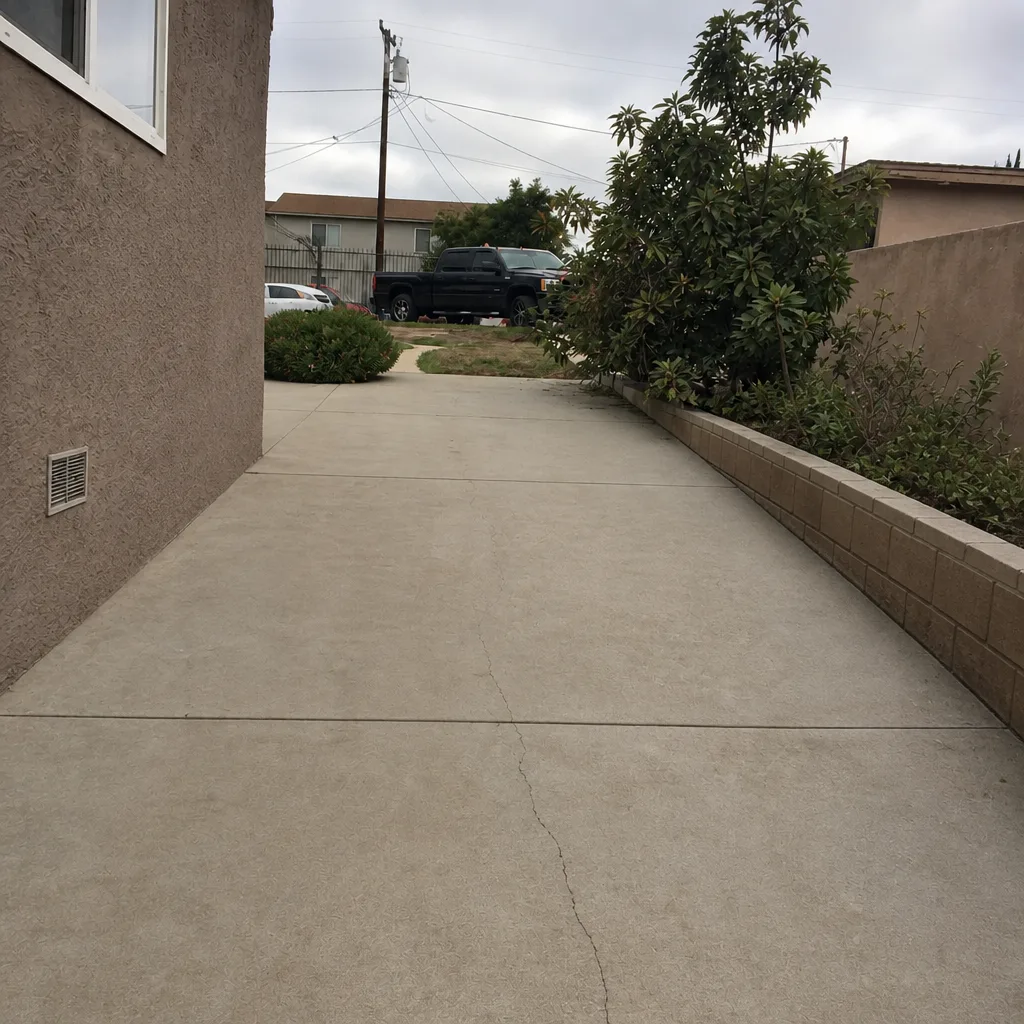
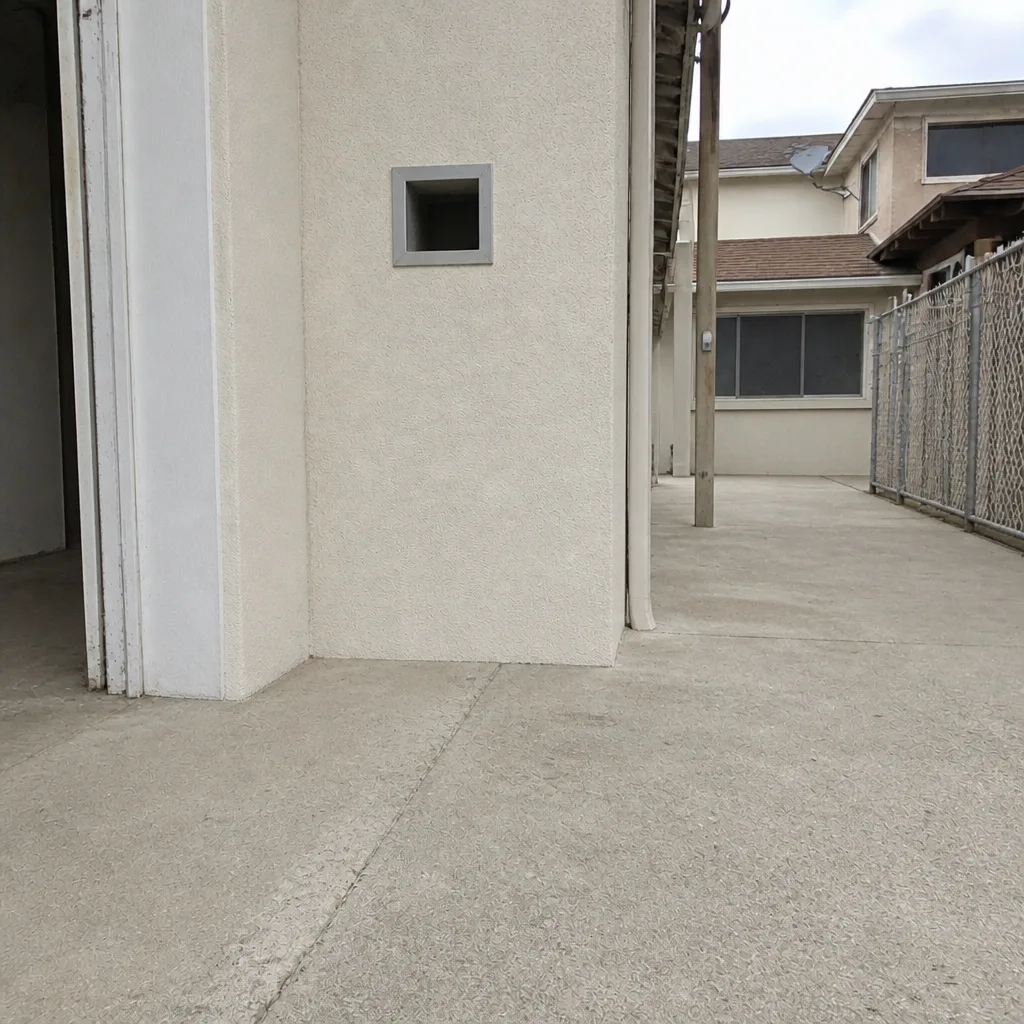
See the difference
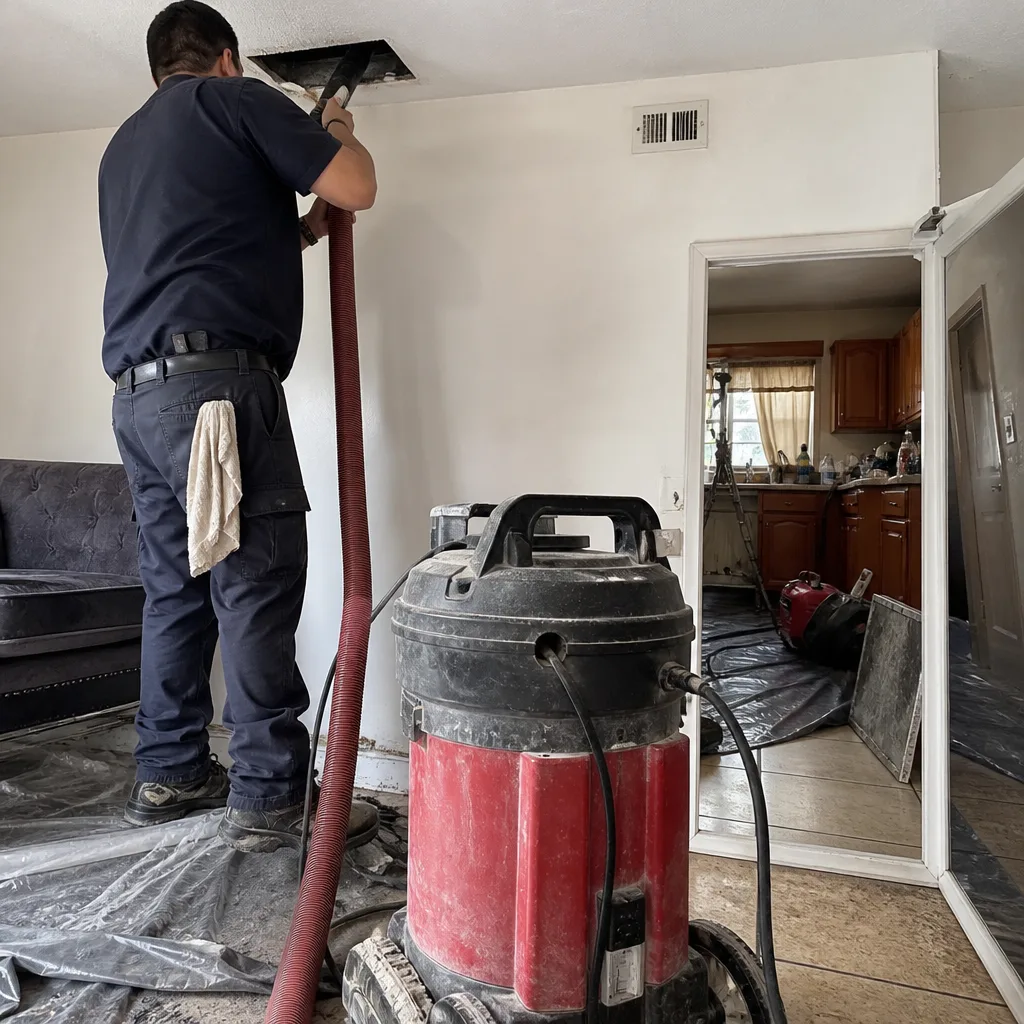 Before
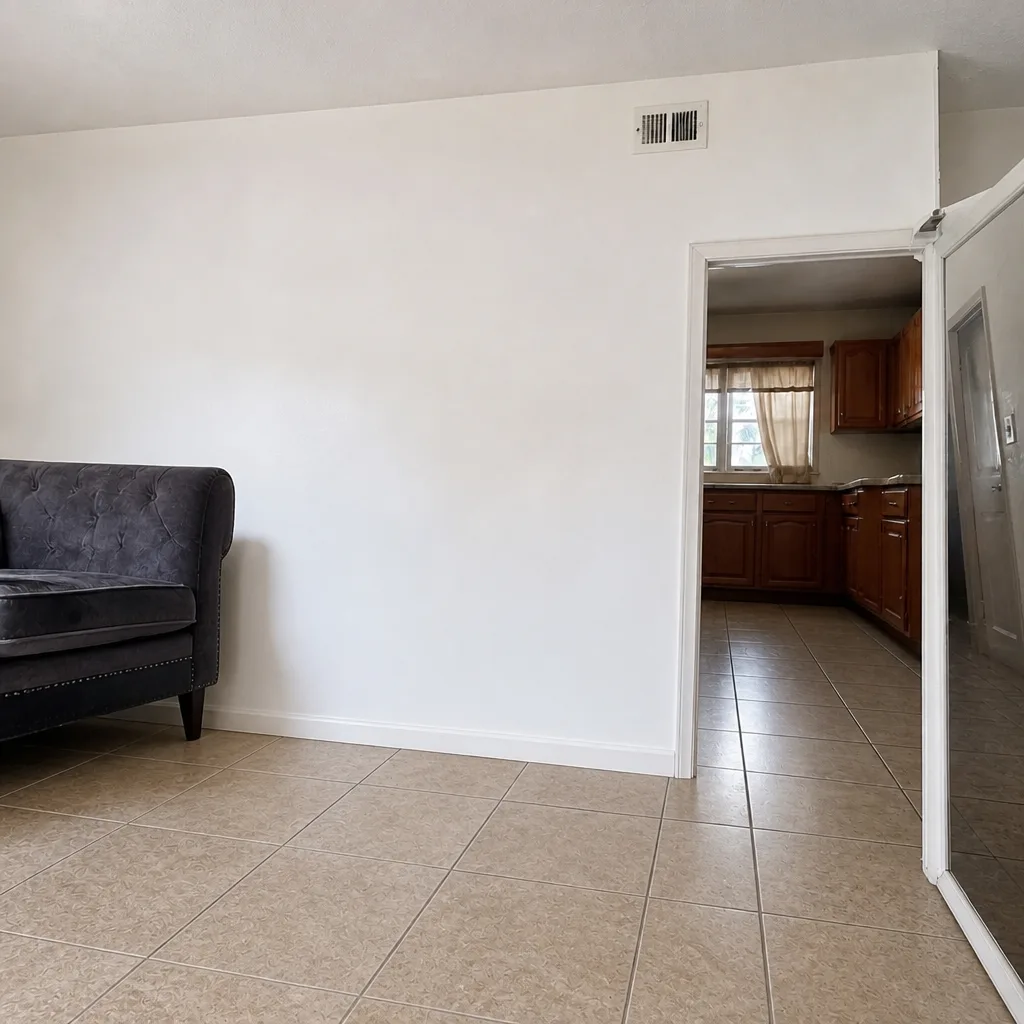 After
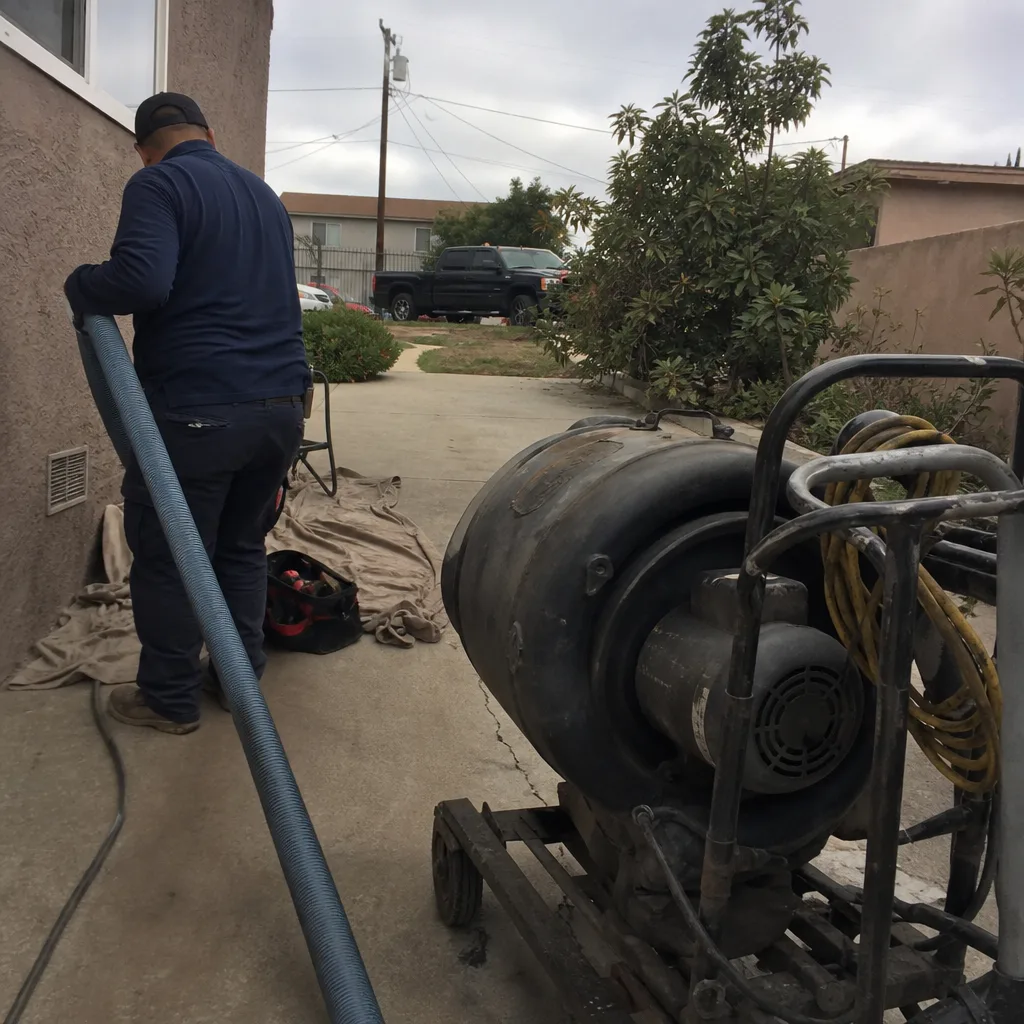 Before
 After
 Before
 After
When to Call a Professional
Call a professional whenever the scope of duct work moves beyond simple cleaning. If the ducts are pre-1980 and have never been surveyed for asbestos, if the system has disconnected sections or crushed returns that need repair, or if new registers are planned, the job requires someone who understands the legal and regulatory boundaries. In our experience, South Gate homeowners do not need to become code experts. They need a contractor who will document the scope, name the equipment, and handle the licensing and containment questions correctly. Duct Cleaning South Gate offers free estimates in South Gate. Call (855) 925-0879. We answer 24/7. Fast dispatch from 7am to 7pm, Sunday through Friday.
Frequently Asked Questions
Air duct cleaning is not licensed as a standalone trade in California, and no permit is required for cleaning existing residential ducts. However, when cleaning is part of a larger scope that includes repair or replacement, the C-20 HVAC contractor license applies, and South Gate may require a permit for any alterations to the system design.
Generally yes, when the replacement changes the configuration of the duct system or involves new branch runs, relocated returns, or added registers. A same-size swap in a single accessible section may not trigger a permit, but South Gate’s Building and Safety Division should confirm the scope before work begins.
Homes built before 1980 may have duct insulation, joint tape, or mastic that contains asbestos. Cal/OSHA 1529 requires a survey before contractors disturb these materials beyond specific thresholds. Simple interior cleaning does not normally disturb insulation, but any repair scope that cuts into insulation, tape, or mastic on an older system should have a survey on file first. For air duct cleaning in South Gate’s older housing stock, this is the single most important pre-work question to ask.
A handyman can do limited work under general rules for small projects, but repairing or replacing HVAC ductwork is specifically within the C-20 license scope in California. An unlicensed handyman who replaces a duct section or reconfigures supply runs is performing illegal contracting, and the homeowner has reduced recourse if the work fails or creates air quality problems.
Request a written scope of work that names the equipment, identifies which ducts will be cleaned, states whether any asbestos survey is needed for your home’s age, and confirms permit status. Professional-grade equipment such as Rotobrush systems and Nikro HEPA vacuums should appear in the estimate, so you can verify exactly what will be used. For dryer vent cleaning, the documentation should also address how the vent will be accessed and how the technician will confirm airflow afterward.
Before-and-after photographs of the duct interior are the standard verification. A contractor should photograph each access point before cleaning, then again after extraction is complete. If the company cannot provide photo documentation, you have no proof the service was performed. This is also why the HEPA and containment question matters: cleaning that recirculates debris rather than capturing it can make the air quality worse, and photos document whether the system was actually cleared.
The Bottom Line
Air duct cleaning in South Gate does not require a permit, but it lives inside a framework of California licensing law, Cal/OSHA asbestos regulations, and local building department rules that homeowners should understand before signing anything. The key boundaries are simple: cleaning does not need a permit or an HVAC license, repair and replacement require a C-20 contractor, and pre-1980 insulation requires an asbestos survey before it is disturbed. Documentation protects you. Equipment you can verify protects you. A written scope protects you. Get those three things before the work begins, and the rest of the project falls into place.
Written by the team at Duct Cleaning South Gate, serving South Gate since 2013.